
AeroGenie — Il tuo copilota intelligente.

Tendenze
Categories
Improving Aviation Safety with Shared Turbulence Data

Improving Aviation Safety with Shared Turbulence Data
Lufthansa is enhancing aviation safety by participating in the “IATA Turbulence Aware” program, an initiative that collects anonymized, real-time turbulence data from flights operated by member airlines. This collaborative effort provides pilots with immediate insights into atmospheric conditions, thereby improving both flight safety and passenger comfort.
A Collaborative Network for Real-Time Turbulence Information
Through IATA Turbulence Aware, Lufthansa and its group carriers, Swiss International Air Lines and Edelweiss Air, contribute to a global network where thousands of aircraft are equipped with sensors that continuously measure turbulence intensity. The anonymized data collected is transmitted to a central database, enabling pilots to access detailed turbulence information directly on cockpit navigation displays. Colour-coded symbols indicate the location, altitude, timing, and severity of turbulence, allowing for more precise and efficient flight planning. This real-time data complements traditional weather forecasts, offering a more comprehensive understanding of in-flight conditions.
Francesco Sciortino, Hub Manager Frankfurt, highlighted the significance of the program, stating, “With ‘IATA Turbulence Aware’, we are setting new standards for safety and comfort in aviation. This technology enables us to offer our passengers a smoother and more pleasant flight experience while making an important contribution to safety in global aviation.”
Challenges and Regulatory Developments
Despite its benefits, the integration of shared turbulence data faces several challenges. Regulatory hurdles and the need for data standardization complicate seamless adoption across the industry. Technological complexities, including the integration of new data streams into existing cockpit systems, demand substantial investment and coordination. Furthermore, some airlines remain cautious about the reliability and practical advantages of shared data, prompting competitors to develop their own data collection and analysis capabilities to maintain a competitive edge.
Recent regulatory efforts, particularly in the United States, demonstrate a proactive approach to incorporating advanced air mobility and safety innovations. These initiatives seek to address the complexities of data sharing and technological integration, reflecting a broader industry commitment to enhancing aviation safety through collaboration and innovation.
As the aviation sector evolves, programs like IATA Turbulence Aware mark a significant advancement toward safer, more efficient, and more comfortable air travel, while underscoring the ongoing necessity for industry-wide cooperation and regulatory support.
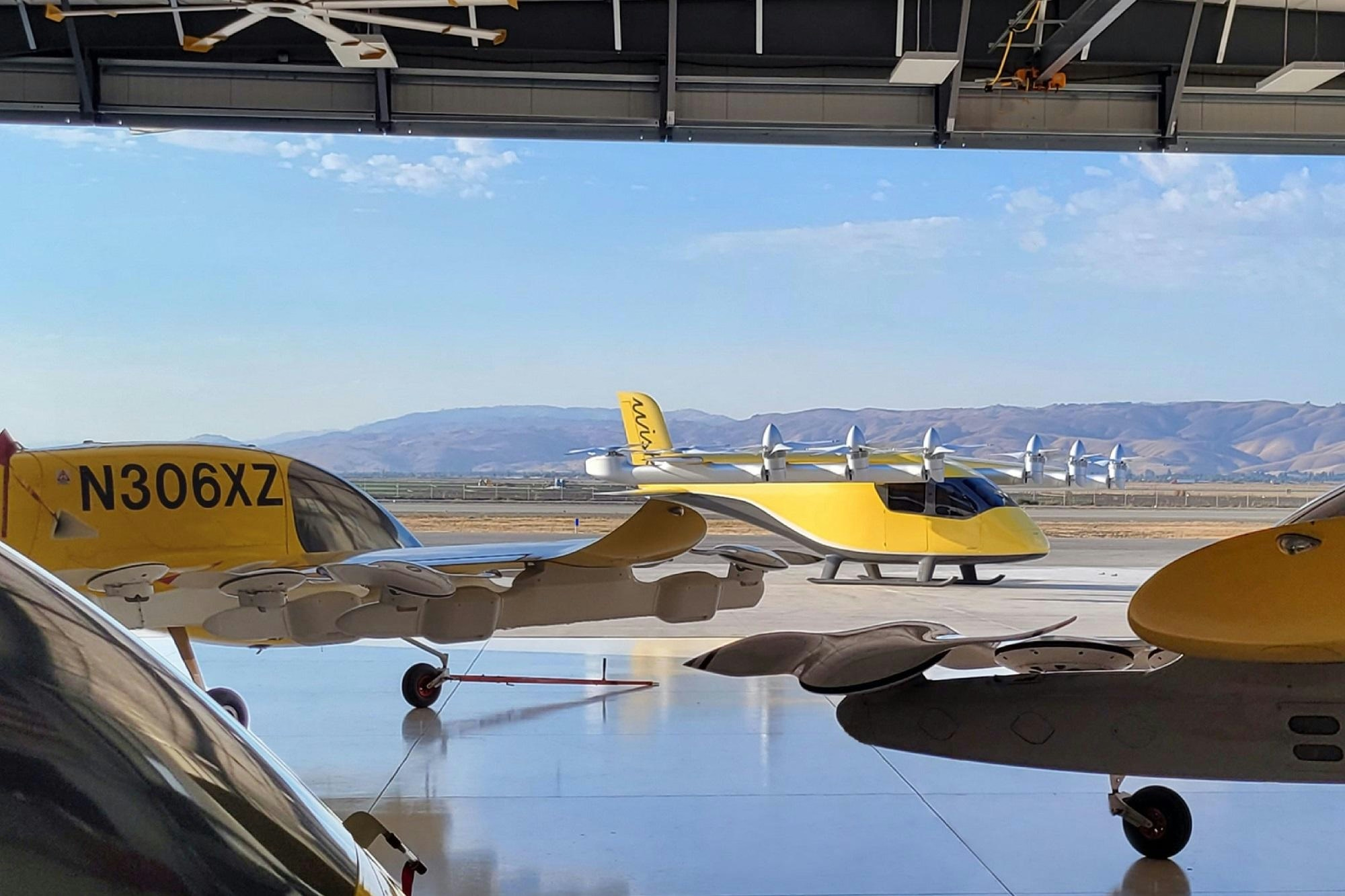
Archer Aviation Confronts Setbacks Amid Declining Air Taxi Interest

Chinese Team Develops First Flight Control Software for Bamboo Drones
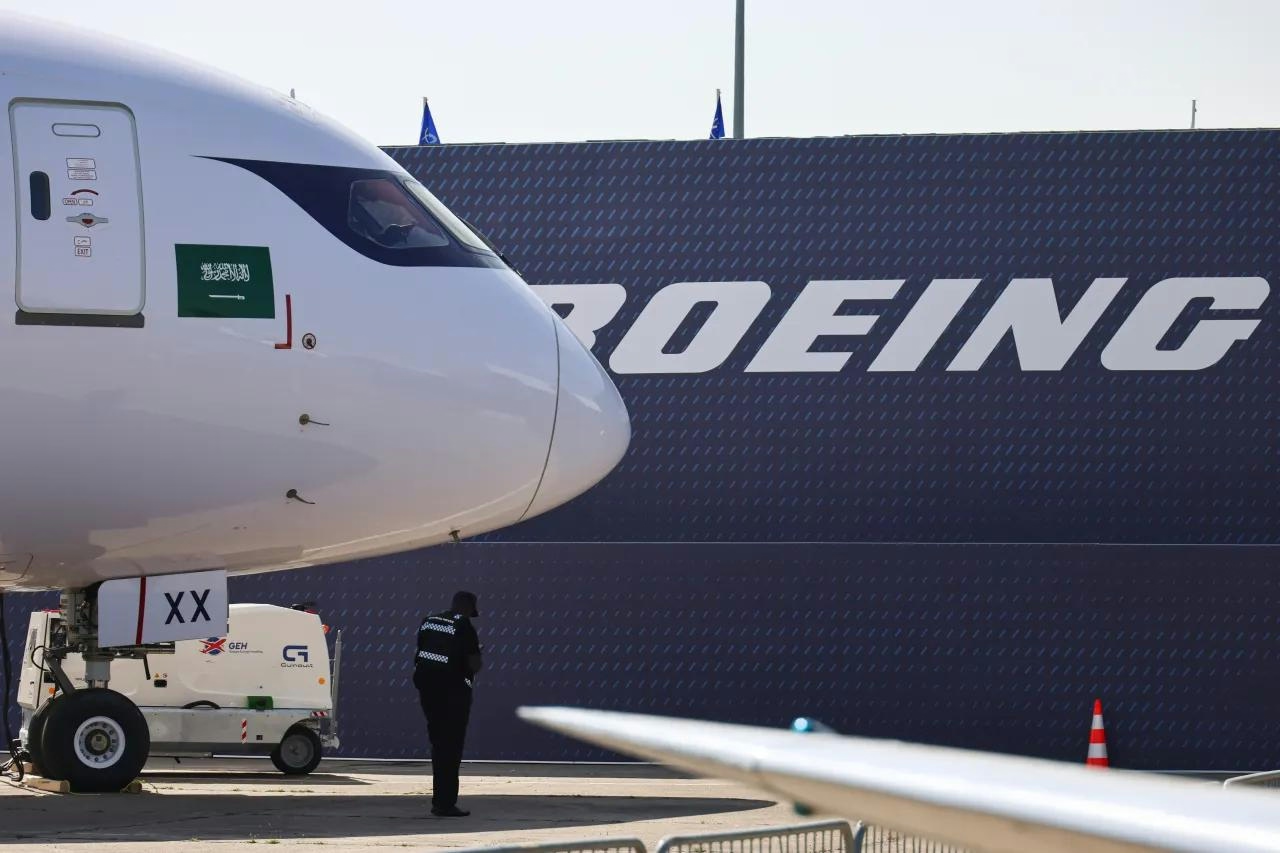
Government Moves Forward with Boeing Purchase, Considers Airbus Leasing
SkyHope Appoints Aviation Industry Leader to Board
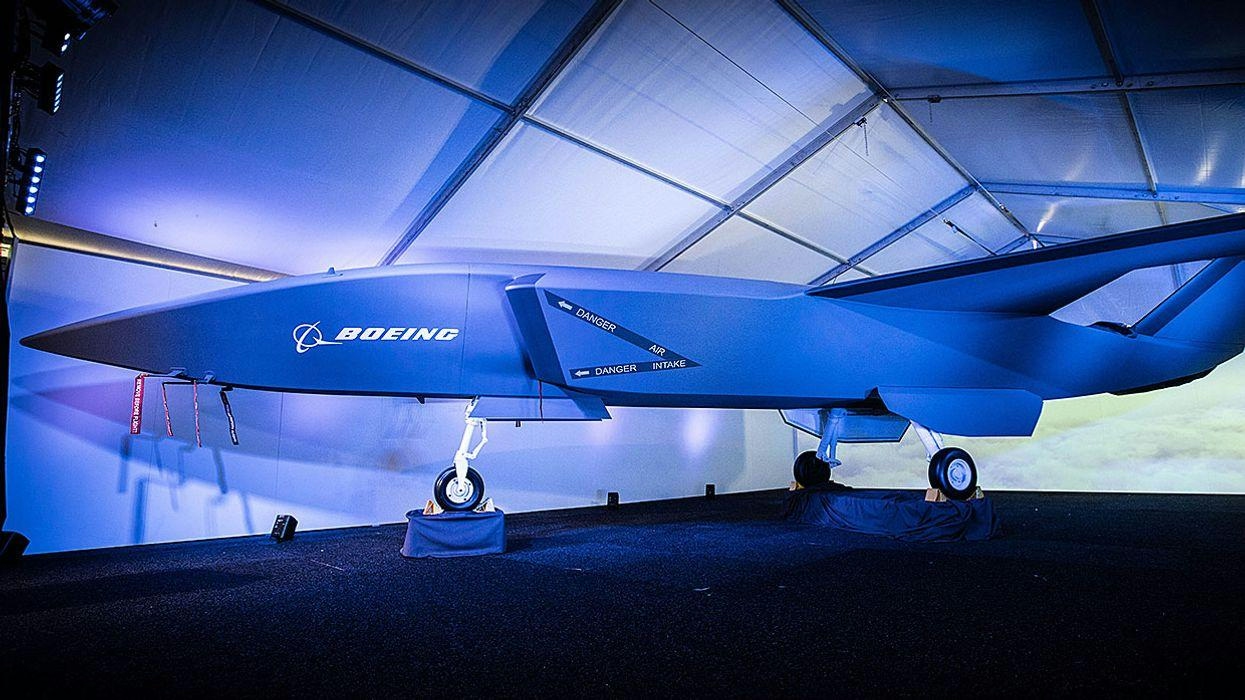
The Challenges of Certifying Autonomous Aircraft
KLM to Receive First Airbus A350, Announces Initial Routes
Saxon Air Receives Clean and Green Energy Innovation Award
How BEB Tax Policies Impact Airlines’ International Leasing Contracts
Indonesia’s Danantara and Mandiri Partner with SMBC to Launch $800 Million Aviation Leasing Fund
South Korea’s SUM Air Places Order for New ATR Aircraft
