
AeroGenie — Il tuo copilota intelligente.

Tendenze
Categories
GE Aerospace and MTU Maintenance to Service Genx Engines at Expanded Fort Worth Facility
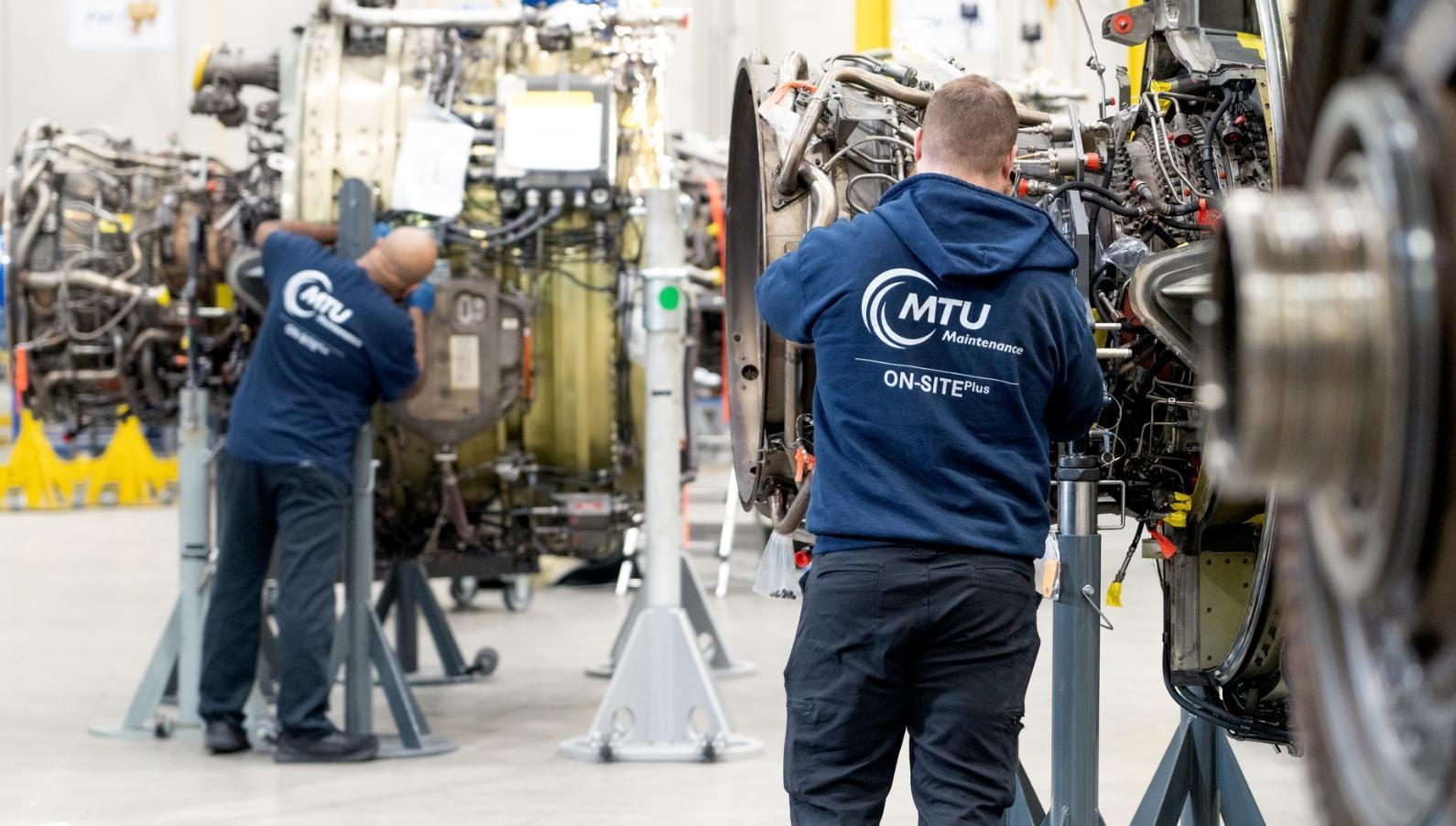
GE Aerospace Expands Genx Engine Servicing in Partnership with MTU Maintenance
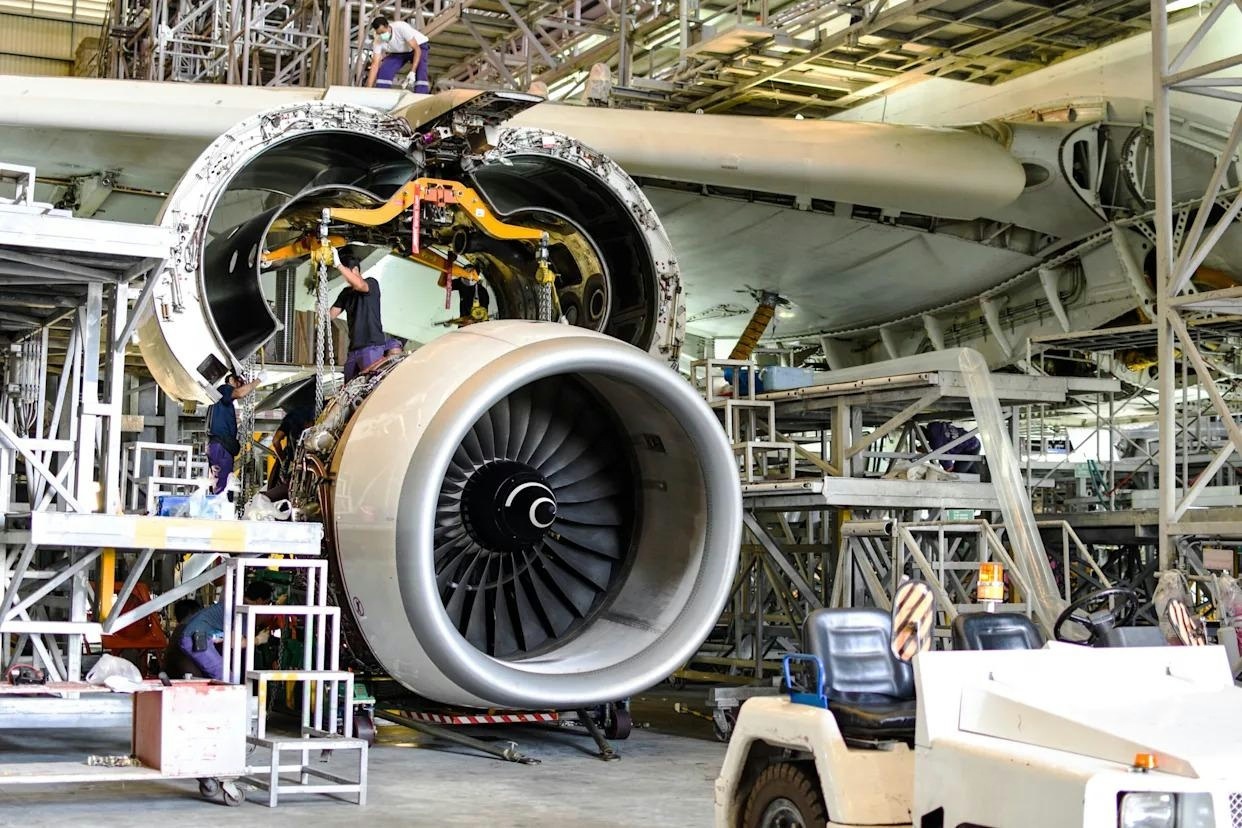
GE Aerospace, a leading global manufacturer and service provider in the aviation sector, has announced an expansion of its Fort Worth facility to include servicing of Genx engines in collaboration with MTU Maintenance. This strategic partnership aims to enhance the company’s maintenance capabilities and better serve its growing customer base.
Operational Structure and Market Reach
GE Aerospace operates across three main sectors, with jet engine manufacturing constituting the largest portion of its business, accounting for nearly 70% of net sales. This segment focuses on producing engines for commercial aircraft, business aviation, and aero-derivative applications, supported by extensive maintenance and repair services. The company also manufactures a range of aircraft engines and advanced avionics systems, which represent approximately a quarter of its net sales. Ancillary operations contribute the remaining share, supporting the core business activities.
The company’s net sales are globally distributed, with the United States representing the largest market at 44.8%. Other significant regions include Europe, the Middle East and Africa, China, and Asia, reflecting GE Aerospace’s broad international footprint.
Commitment to Innovation and Strategic Growth
Innovation and sustainability remain central to GE Aerospace’s strategy. The company invests heavily in advanced technologies aimed at improving fuel efficiency and reducing emissions across its product lines, underscoring its dedication to environmental responsibility. This commitment is reinforced by a comprehensive global customer service network that ensures ongoing support for clients worldwide.
The recent collaboration with MTU Maintenance to service Genx engines at the expanded Fort Worth facility exemplifies GE Aerospace’s approach to strategic partnerships and market expansion. By combining resources and expertise, the two companies seek to strengthen service offerings and respond more effectively to customer demands.
While this expansion presents opportunities for growth, it also introduces challenges such as regulatory compliance and operational integration. Additionally, increased competition in the maintenance sector may prompt rivals to enhance their own service capabilities. Nonetheless, GE Aerospace remains focused on advancing aviation technology and maintaining its leadership position through continuous innovation, sustainability initiatives, and a strong commitment to customer service.

Chinese Team Develops First Flight Control Software for Bamboo Drones
SkyHope Appoints Aviation Industry Leader to Board
The Challenges of Certifying Autonomous Aircraft
KLM to Receive First Airbus A350, Announces Initial Routes
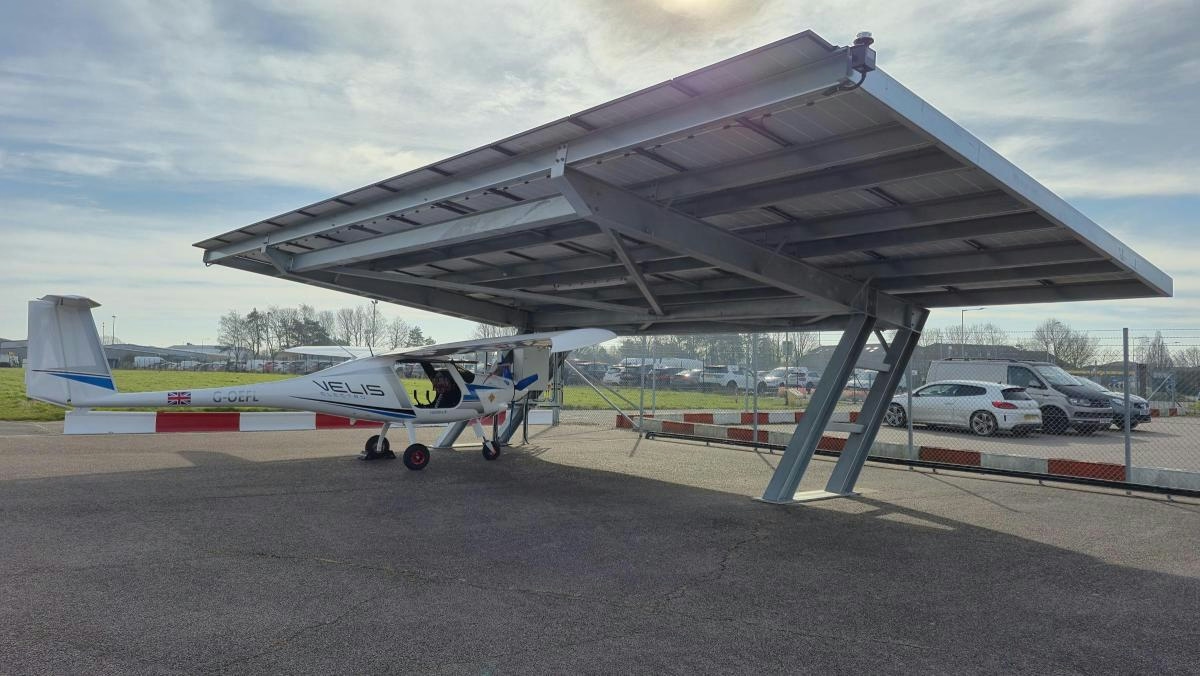
Saxon Air Receives Clean and Green Energy Innovation Award
How BEB Tax Policies Impact Airlines’ International Leasing Contracts

Indonesia’s Danantara and Mandiri Partner with SMBC to Launch $800 Million Aviation Leasing Fund
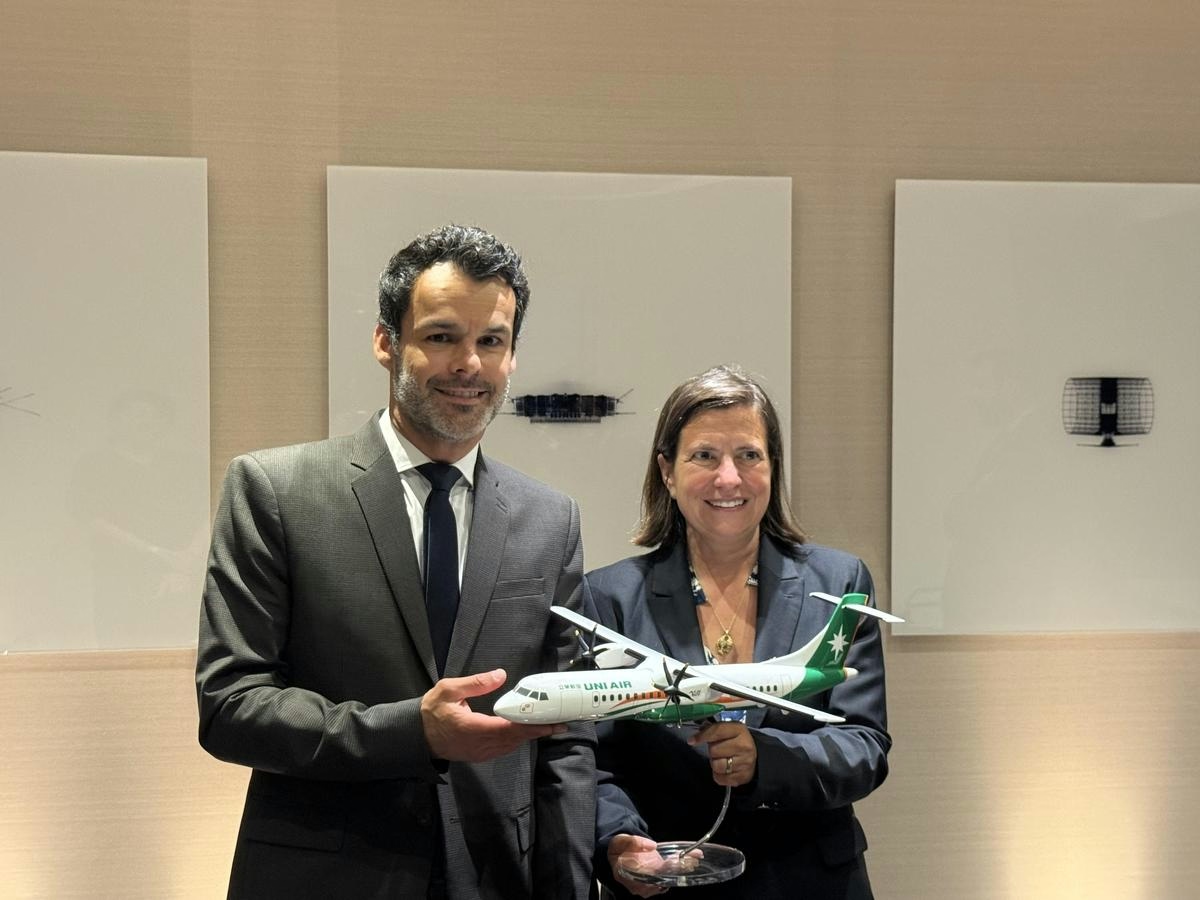
South Korea’s SUM Air Places Order for New ATR Aircraft
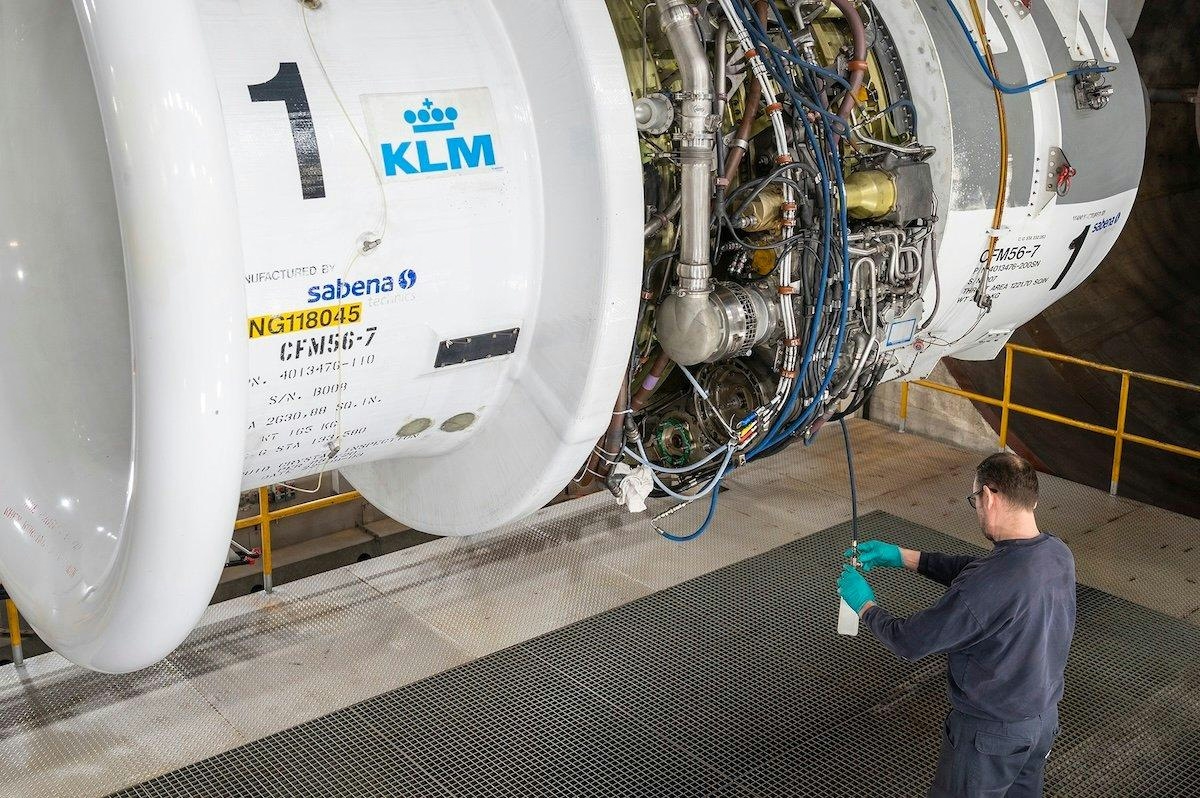
Benoît Rollier Named Vice President of KLM Engine Service
Azorra Expands Engine Portfolio Through Deal with DAE
