
AeroGenie — Votre copilote intelligent.

Tendances
Categories
Understanding Wet-Leasing Following Emirates Cargo Plane Incident in Hong Kong

Understanding Wet-Leasing Following Emirates Cargo Plane Incident in Hong Kong
The recent incident involving an Emirates cargo plane in Hong Kong has brought renewed attention to the practice of wet leasing within the aviation industry. The accident, which tragically resulted in two fatalities and led to the temporary closure of the airport’s north runway, has sparked widespread discussions regarding the safety and regulatory oversight of wet-leased aircraft operations.
Defining Wet Leasing and Its Operational Framework
Wet leasing, often referred to as ACMI—an acronym for Aircraft, Crew, Maintenance, and Insurance—is a leasing arrangement where an airline leases not only the aircraft but also the crew, maintenance services, and insurance from another operator. Under such agreements, the lessor retains operational control, and the aircraft operates under the lessor’s Air Operator Certificate (AOC). This structure allows airlines to augment capacity or cover operational gaps without directly managing the leased aircraft’s day-to-day operations.
Implications of the Emirates Incident on Industry Practices
The Emirates cargo plane accident has exposed potential vulnerabilities inherent in wet-leasing arrangements, particularly concerning safety oversight and regulatory compliance. In response, aviation authorities are anticipated to intensify scrutiny of wet-leased operations, potentially introducing more stringent regulations to ensure uniform safety standards across all operators involved. Airlines that depend significantly on wet-leased aircraft may face increased market pressures and could be compelled to reevaluate their leasing strategies amid this heightened regulatory environment.
Industry competitors are also expected to reassess their own wet-leasing practices and safety protocols to mitigate risks and preserve public trust. As investigations into the incident proceed, the aviation sector remains attentive to possible regulatory reforms and shifts in market dynamics that may influence the future role of wet leasing.
This incident highlights the critical need for rigorous safety measures and clear operational control within wet-leasing agreements, as the industry strives to balance operational flexibility with uncompromising safety standards.

Plane lands on Pennsylvania highway due to ‘engine issues,’ FAA says
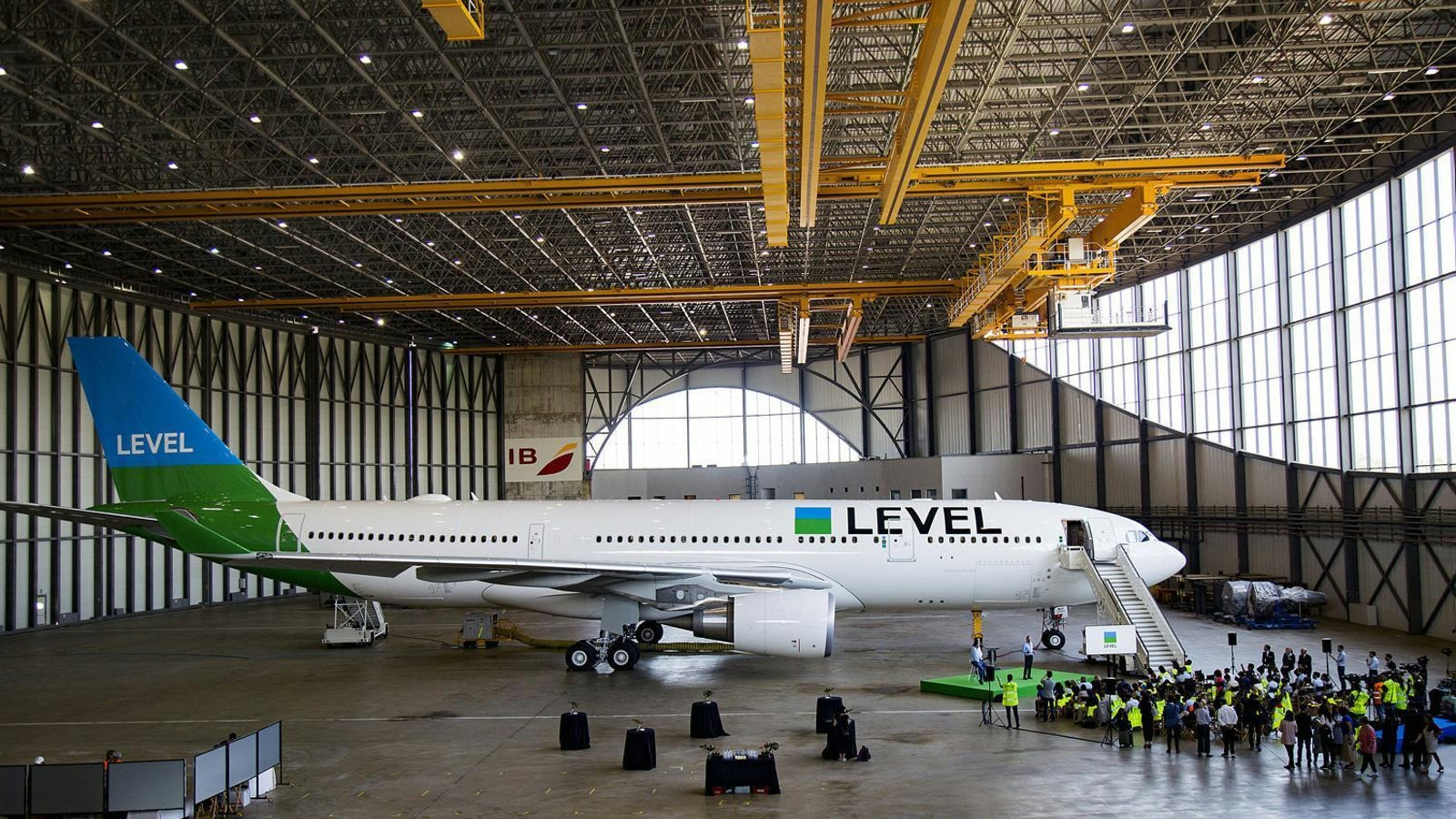
LEVEL Suspends San Francisco Flights Due to Engine Shortage
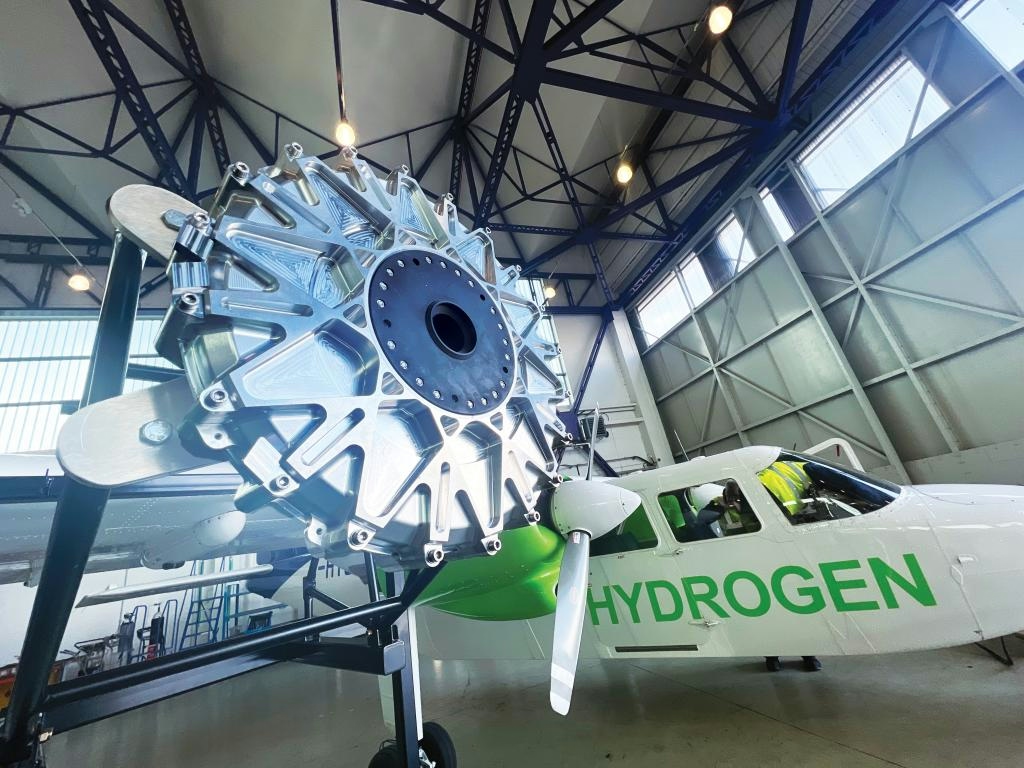
China Conducts First Flight Test of Megawatt Hydrogen Turboprop Engine

Oklahoma’s Aerospace Industry Expands and Its Impact on the State Economy
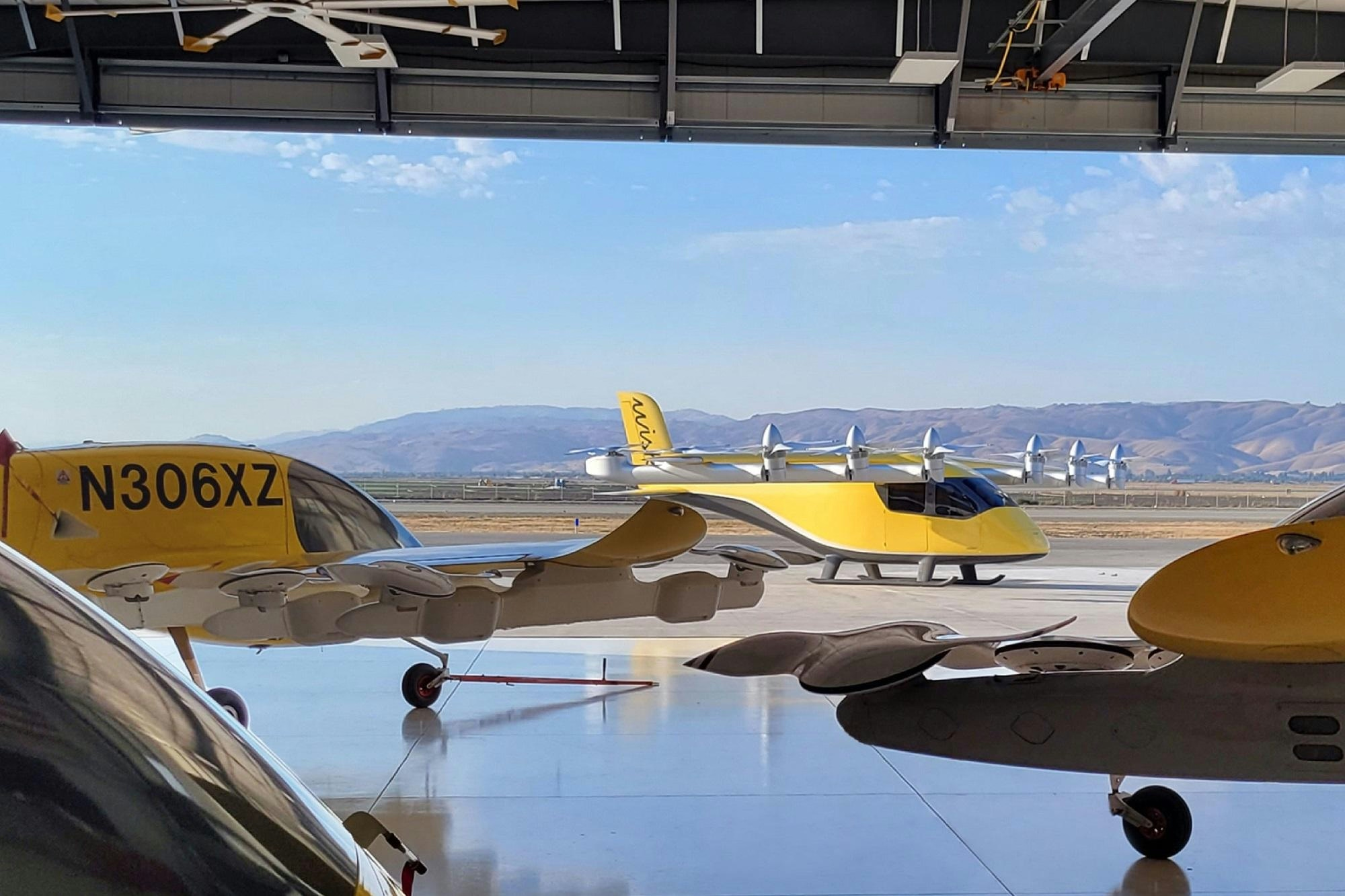
Archer Aviation Confronts Setbacks Amid Declining Air Taxi Interest

FAA and EASA Mandates to Influence Flight Line Testing Equipment Market Through 2035
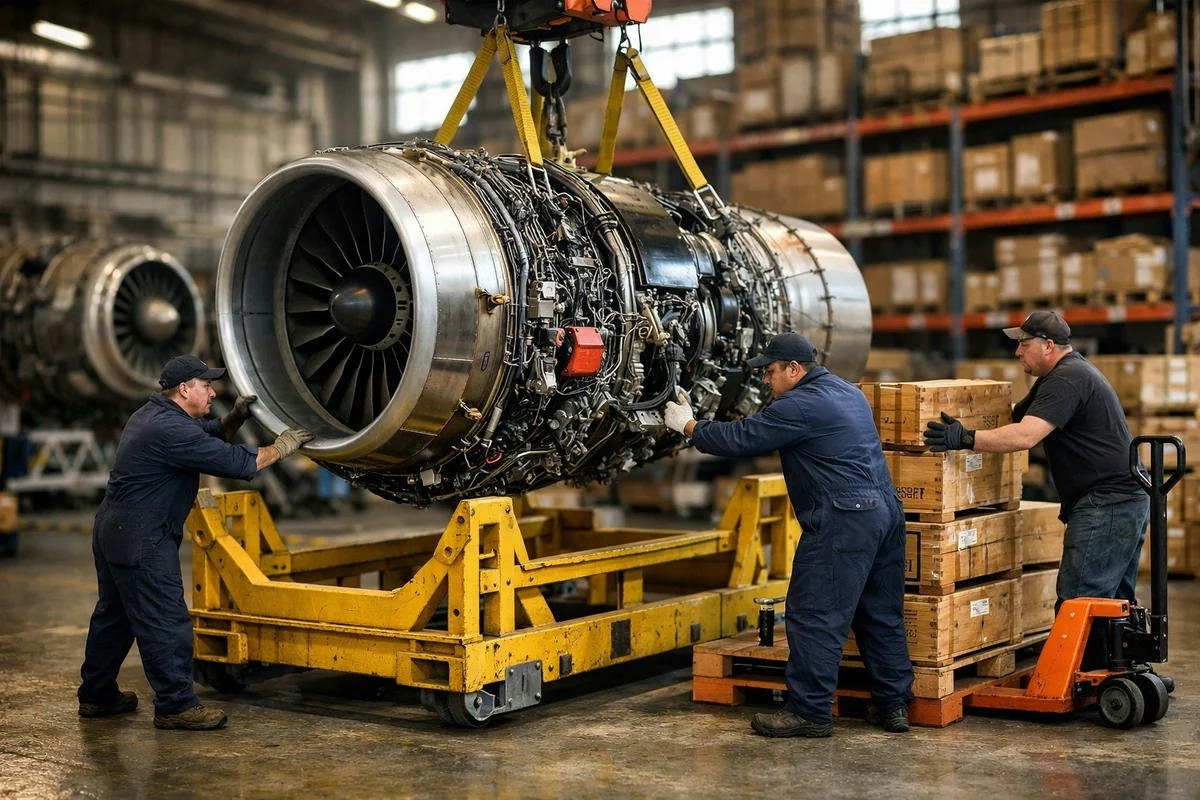
Willis Lease Operates as a Leveraged Spread Business with Moderate Returns

Chinese Team Develops First Flight Control Software for Bamboo Drones
Government Moves Forward with Boeing Purchase, Considers Airbus Leasing

Changes in Airline Industry Leadership, Alliances, and AI
