
AeroGenie — Votre copilote intelligent.

Tendances
Categories
Rolls-Royce unveils £9bn share buyback as profits soar
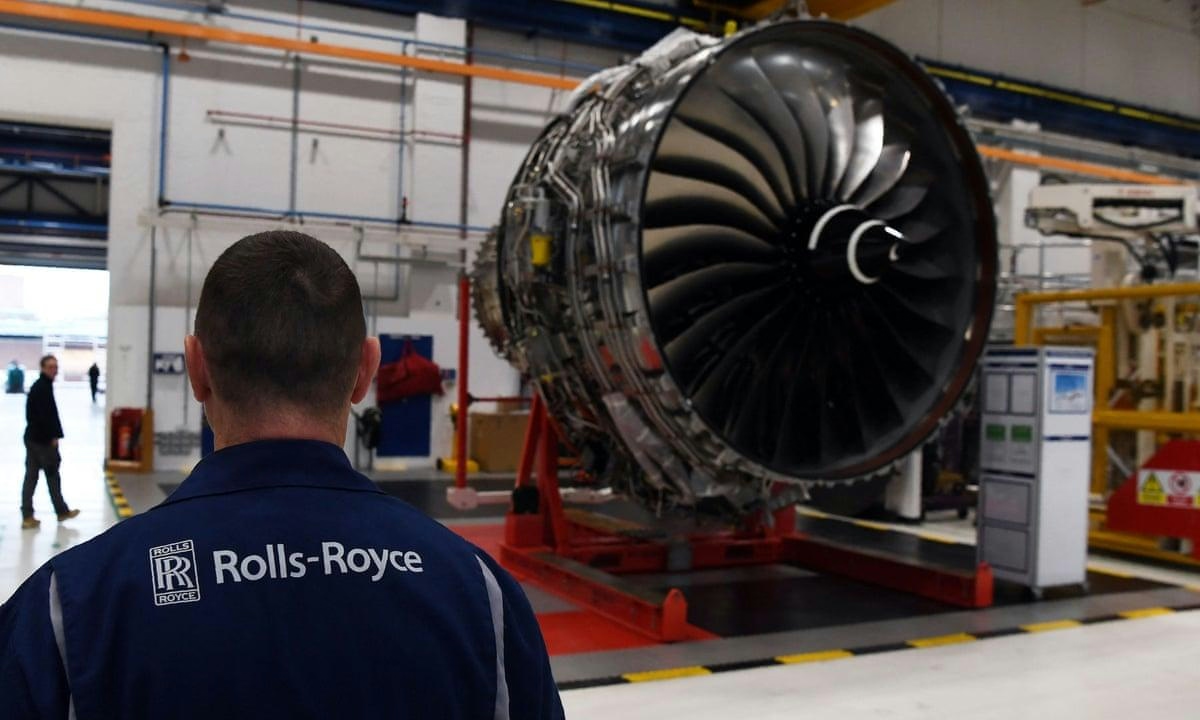
Rolls-Royce Announces £9 Billion Share Buyback Amid Soaring Profits
Rolls-Royce has revealed plans for a substantial share buyback programme valued at up to £9 billion, reflecting a remarkable financial turnaround. The engineering conglomerate expects profits over the next three years to exceed previous forecasts by 33%, underscoring a significant improvement in its business performance. For 2025, the company projects a 40% increase in underlying operating profits, reaching £3.46 billion. Revenues are anticipated to rise by 12% to £21.2 billion, while cash generated from operations is forecasted at £3.2 billion.
Strengthened Financial Outlook and Diversified Operations
Renowned for producing the Trent XWB engines in Derby, which power the Airbus A350, Rolls-Royce has expanded its portfolio to include military aircraft engines, submarine propulsion systems, and backup generators for data centres. The company’s outlook remains robust, with underlying operating profits expected to climb further to between £4 billion and £4.2 billion in 2026. Additionally, Rolls-Royce has raised its financial targets for 2028, signaling management’s confidence in sustained growth and operational resilience.
Market Reaction and Competitive Implications
The announcement has generated considerable interest among investors, who have welcomed the buyback as a clear indication of Rolls-Royce’s strong financial position and commitment to returning value to shareholders. This move is likely to intensify competitive pressures within the aerospace and defence sectors, as rivals may find it challenging to match Rolls-Royce’s accelerated growth and profitability. The company’s ambitious targets could prompt competitors to reevaluate their strategic priorities in order to maintain market relevance.
Rolls-Royce’s resurgence stands in stark contrast to the difficulties it faced over the past decade, including multiple profit warnings and near collapse during the Covid-19 pandemic. With a reinforced balance sheet and renewed investor confidence, the group is well-positioned to seize emerging opportunities and address the challenges of a rapidly evolving global market.

Oklahoma’s Aerospace Industry Expands and Its Impact on the State Economy
Archer Aviation Confronts Setbacks Amid Declining Air Taxi Interest

FAA and EASA Mandates to Influence Flight Line Testing Equipment Market Through 2035
Willis Lease Operates as a Leveraged Spread Business with Moderate Returns

Chinese Team Develops First Flight Control Software for Bamboo Drones
Government Moves Forward with Boeing Purchase, Considers Airbus Leasing
SkyHope Appoints Aviation Industry Leader to Board
The Challenges of Certifying Autonomous Aircraft
KLM to Receive First Airbus A350, Announces Initial Routes
Saxon Air Receives Clean and Green Energy Innovation Award
