
AeroGenie — Votre copilote intelligent.

Tendances
Categories
New Lightweight AI System Developed for Early Detection of Aviation Failures

New Lightweight AI System Developed for Early Detection of Aviation Failures
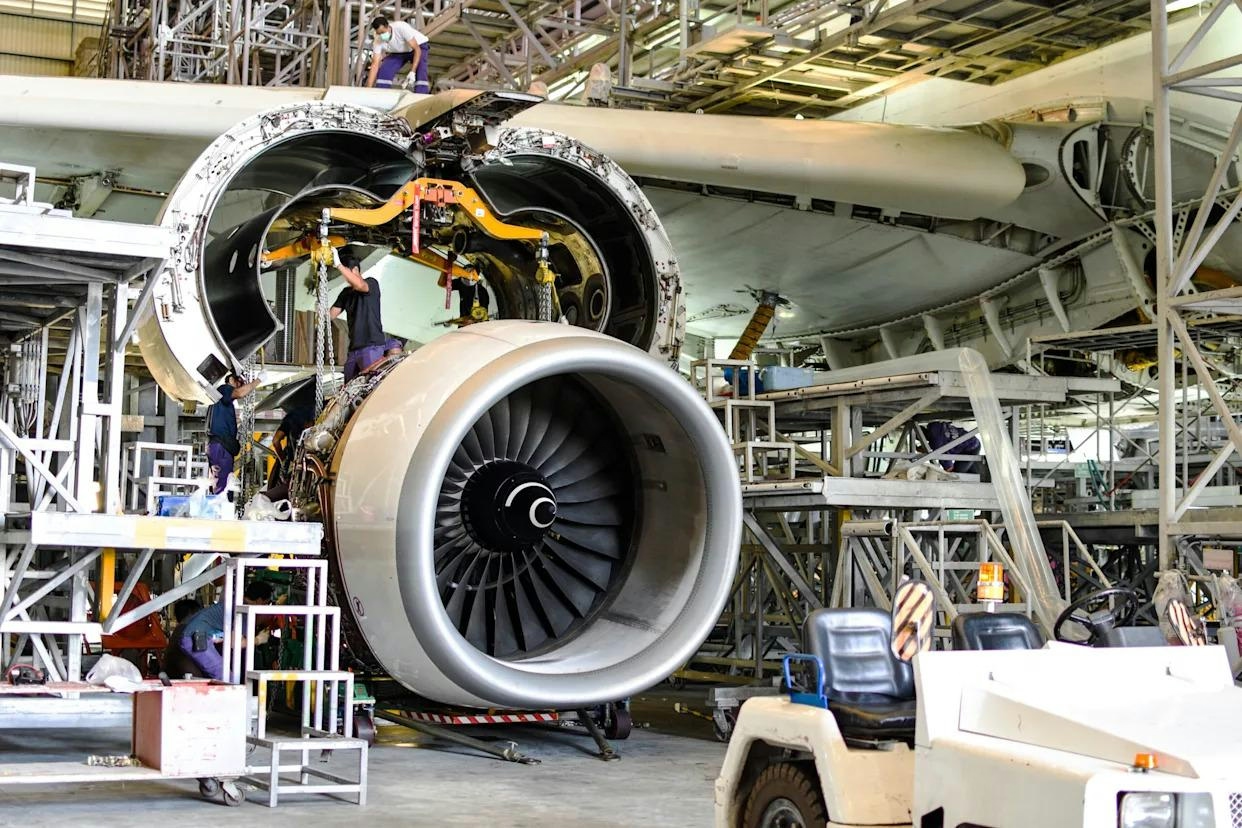
A team of researchers has introduced a new lightweight artificial intelligence (AI) system designed to identify early signs of aviation failures, with the goal of enhancing safety and reliability in air travel. Utilizing advanced machine learning algorithms, the system continuously monitors aircraft performance in real time, detecting anomalies that may signal potential malfunctions before they develop into critical problems.
Addressing Industry Challenges and Market Potential
The development of this AI system comes at a time when the aviation industry is under increasing pressure to elevate safety standards amid rising air traffic volumes and the growing complexity of aircraft systems. Airlines and regulatory authorities are expected to prioritize the integration of such technologies, as market analysts forecast a significant increase in investment in AI-driven safety solutions. Industry projections indicate that the market for Cabin Intelligence AI Systems will expand at a compound annual growth rate (CAGR) of 6.1% between 2025 and 2034, underscoring the strong demand for sophisticated AI applications in aviation.
Despite its promising capabilities, the system faces several hurdles before it can be widely adopted. Integrating the AI technology with existing aviation infrastructure will require extensive coordination among stakeholders. Moreover, developers must ensure that the system meets rigorous regulatory standards, as the accuracy and reliability of the AI are critical; false alarms or missed detections could have severe implications for flight safety.
Competitive Landscape and Future Implications
Industry experts anticipate that the introduction of this lightweight AI system will trigger rapid responses from competitors. Other technology providers are expected to accelerate the development of comparable AI solutions, forge partnerships with research institutions, and increase investments aimed at enhancing aviation safety technologies. This competitive environment is likely to stimulate further innovation, ultimately benefiting airlines, regulators, and passengers.
As the aviation sector continues its digital transformation, the deployment of advanced AI systems for early failure detection represents a significant advancement. By facilitating proactive maintenance and enabling quicker responses to emerging issues, these technologies have the potential to establish new standards for safety and operational efficiency in commercial aviation.
Chinese Team Develops First Flight Control Software for Bamboo Drones
SkyHope Appoints Aviation Industry Leader to Board
The Challenges of Certifying Autonomous Aircraft
KLM to Receive First Airbus A350, Announces Initial Routes
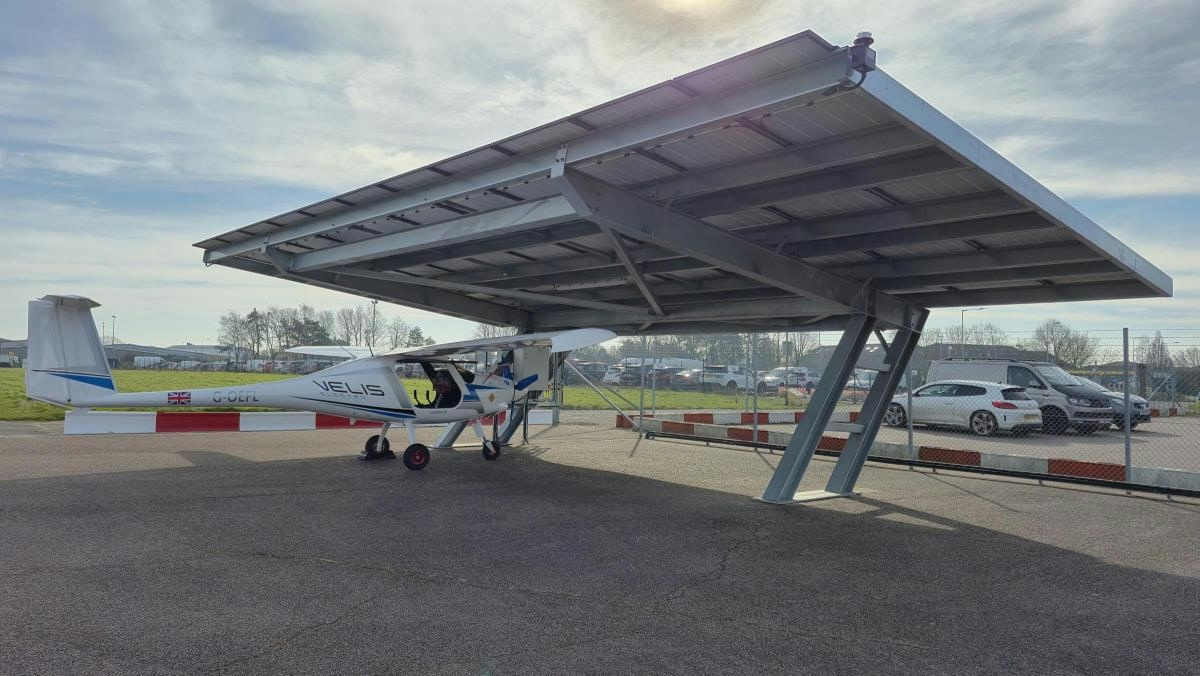
Saxon Air Receives Clean and Green Energy Innovation Award
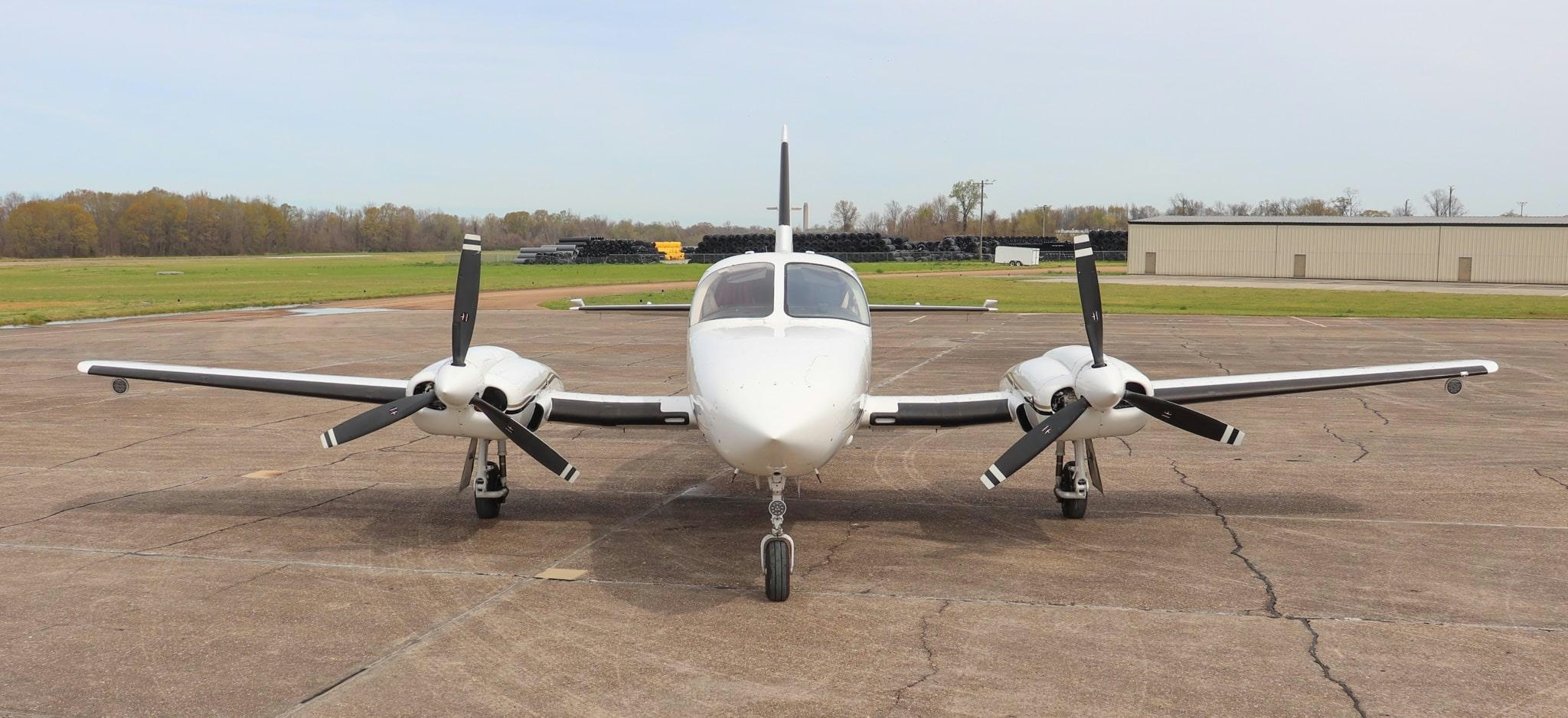
How BEB Tax Policies Impact Airlines’ International Leasing Contracts

Indonesia’s Danantara and Mandiri Partner with SMBC to Launch $800 Million Aviation Leasing Fund
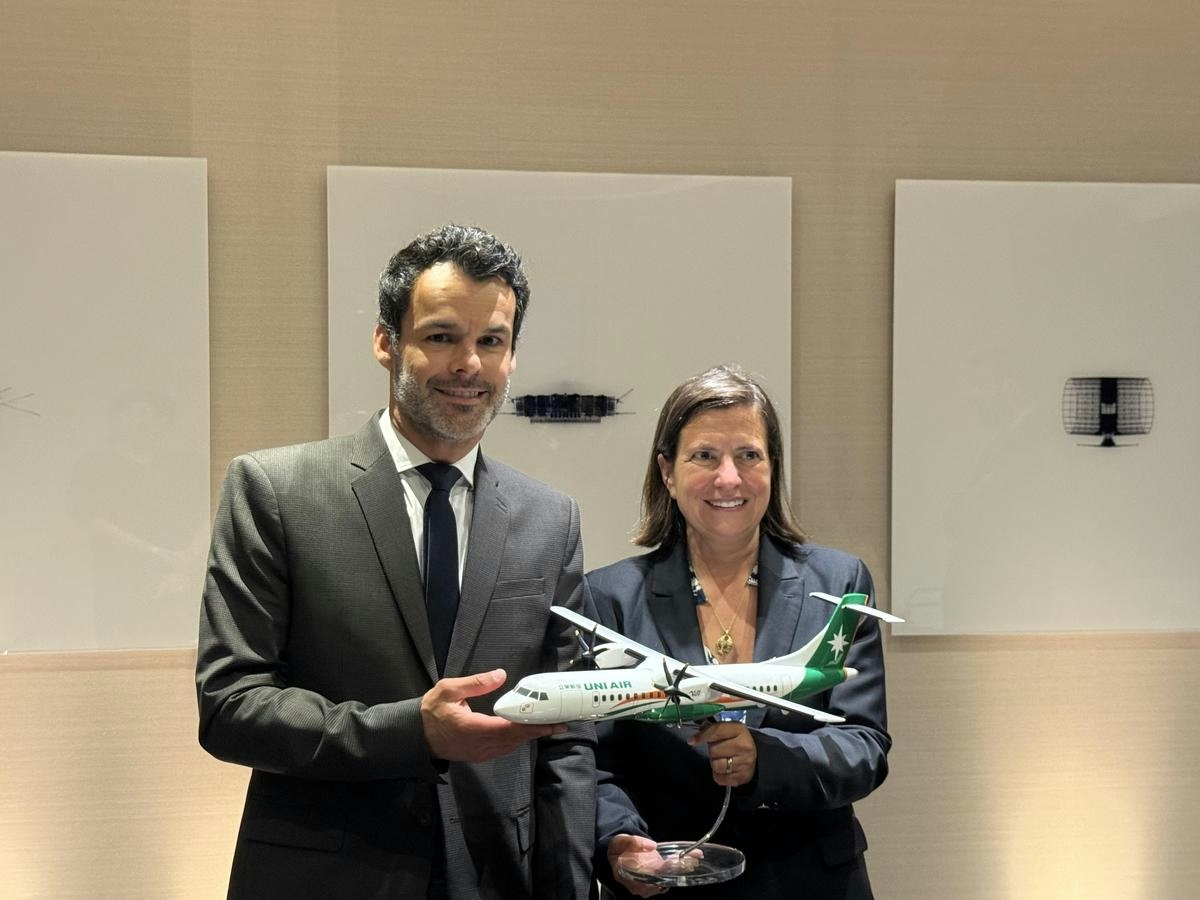
South Korea’s SUM Air Places Order for New ATR Aircraft
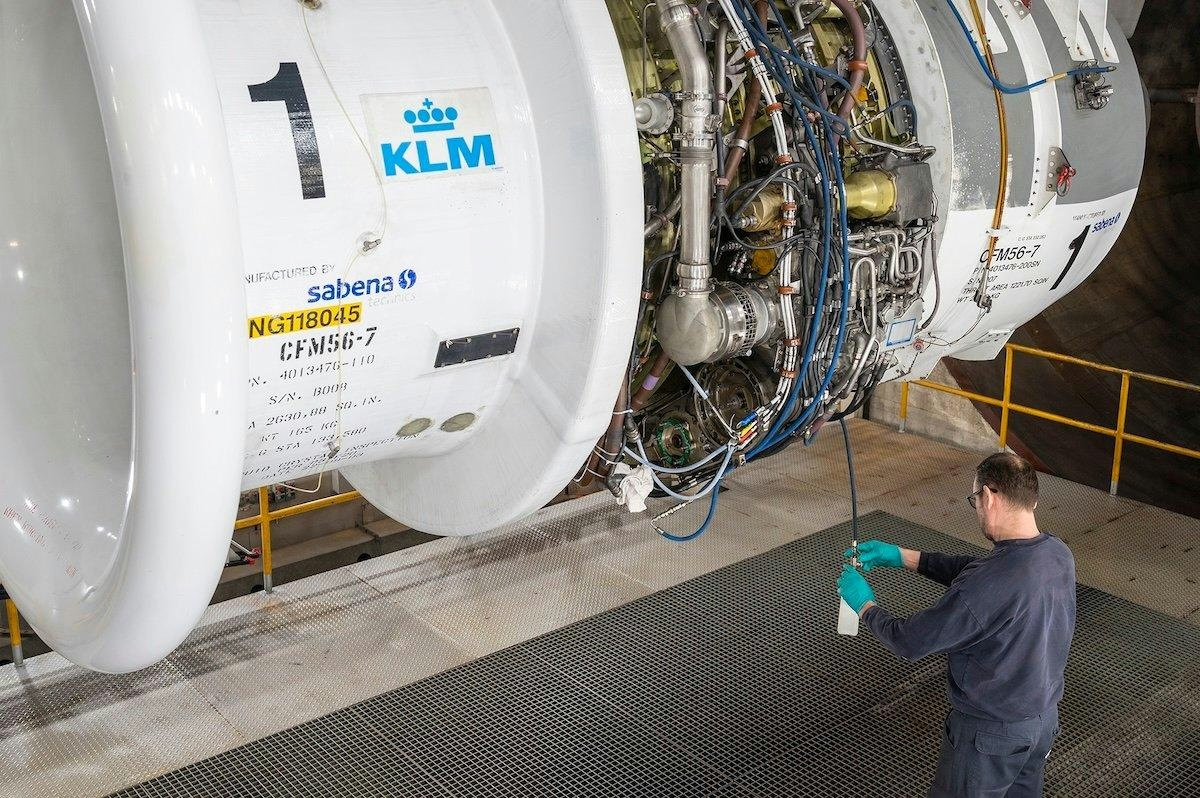
Benoît Rollier Named Vice President of KLM Engine Service
Azorra Expands Engine Portfolio Through Deal with DAE
