
AeroGenie — Votre copilote intelligent.

Tendances
Categories
Investigation Suggests AI171 Crash May Not Be Due to Pilot Error
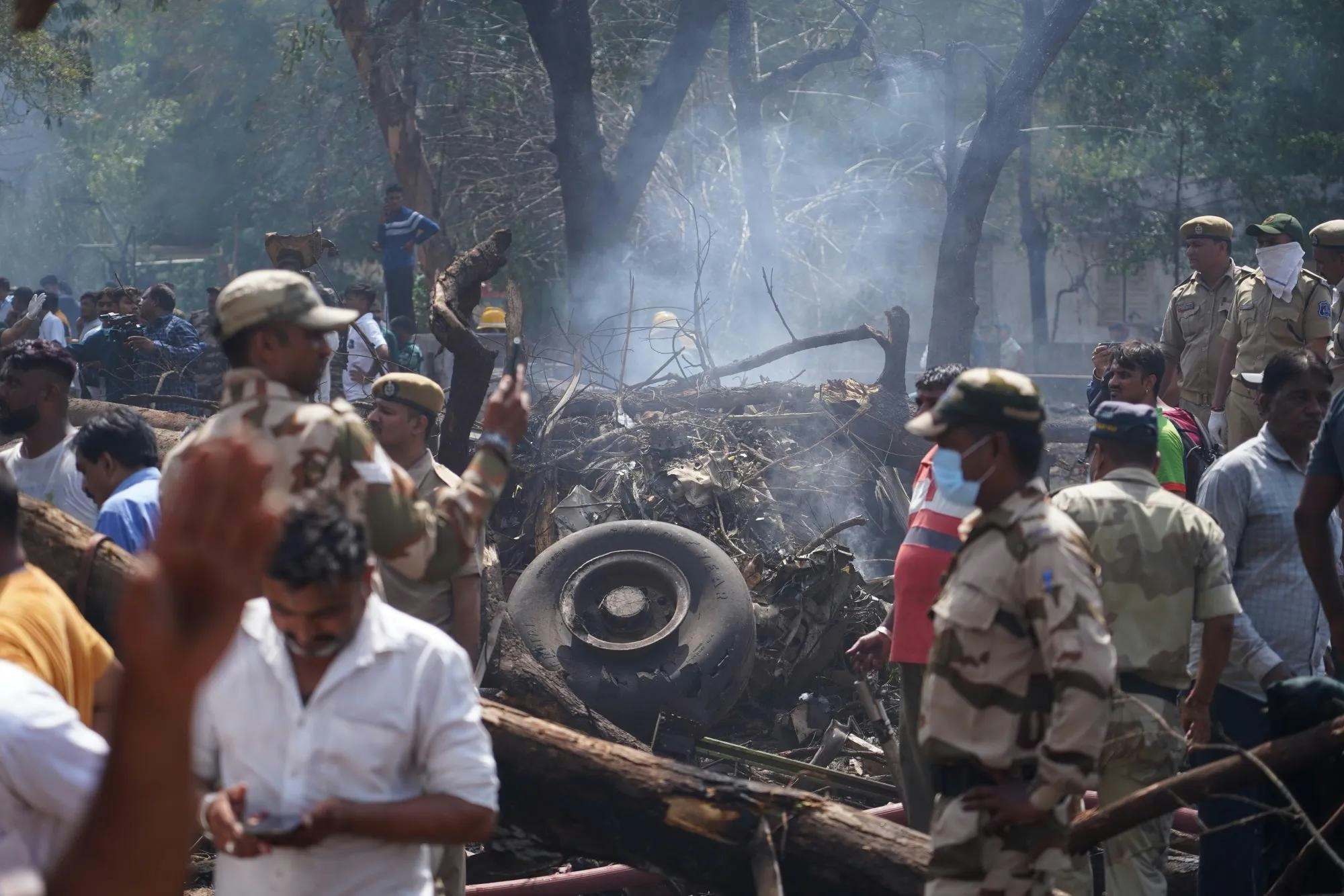
Investigation Suggests AI171 Crash May Not Be Due to Pilot Error
Cockpit Design Under Scrutiny
Aviation consultant Captain Ehsan Khalid has raised significant concerns regarding the cockpit layout of the aircraft involved in the Air India Flight 171 crash. Speaking to the Press Trust of India (PTI), Khalid emphasized that the stabilizer control switches, which the crew reportedly identified as problematic before the incident, are located immediately adjacent to the fuel cut-off switches. He warned that in the event of a stabilizer malfunction, the close proximity of these critical controls could easily cause confusion, potentially leading a pilot to activate the wrong switch during a high-pressure situation.
This design flaw has become a focal point as the ongoing investigation increasingly casts doubt on pilot error as the primary cause of the crash. Instead, investigators are now concentrating on the safety mechanisms of the fuel cut-off switch locks, which have previously been the subject of regulatory directives issued by both the Federal Aviation Administration (FAA) and Boeing. The positioning and security of these switches are being examined as possible contributing factors to the accident.
Examination of Alternative Theories and Airline Practices
While some experts, including Captain Byron Bailey, have speculated that the crash might have been a case of "suicide by the captain," current evidence does not definitively support this hypothesis. The forthcoming preliminary report is anticipated to shed further light on the sequence of events and the factors that led to the tragedy.
Beyond technical and human factors, Air India Express, the operator of Flight 171, is also under intense scrutiny. Investigators are probing whether the airline failed to adhere to regulatory directives and whether there has been any falsification of records related to engine parts. Should these allegations be substantiated, they could reveal deeper systemic issues within the airline’s maintenance and safety protocols.
As the investigation progresses, attention remains firmly fixed on both the aircraft’s design and the operational practices of the airline, with the objective of identifying measures to prevent similar incidents in the future.
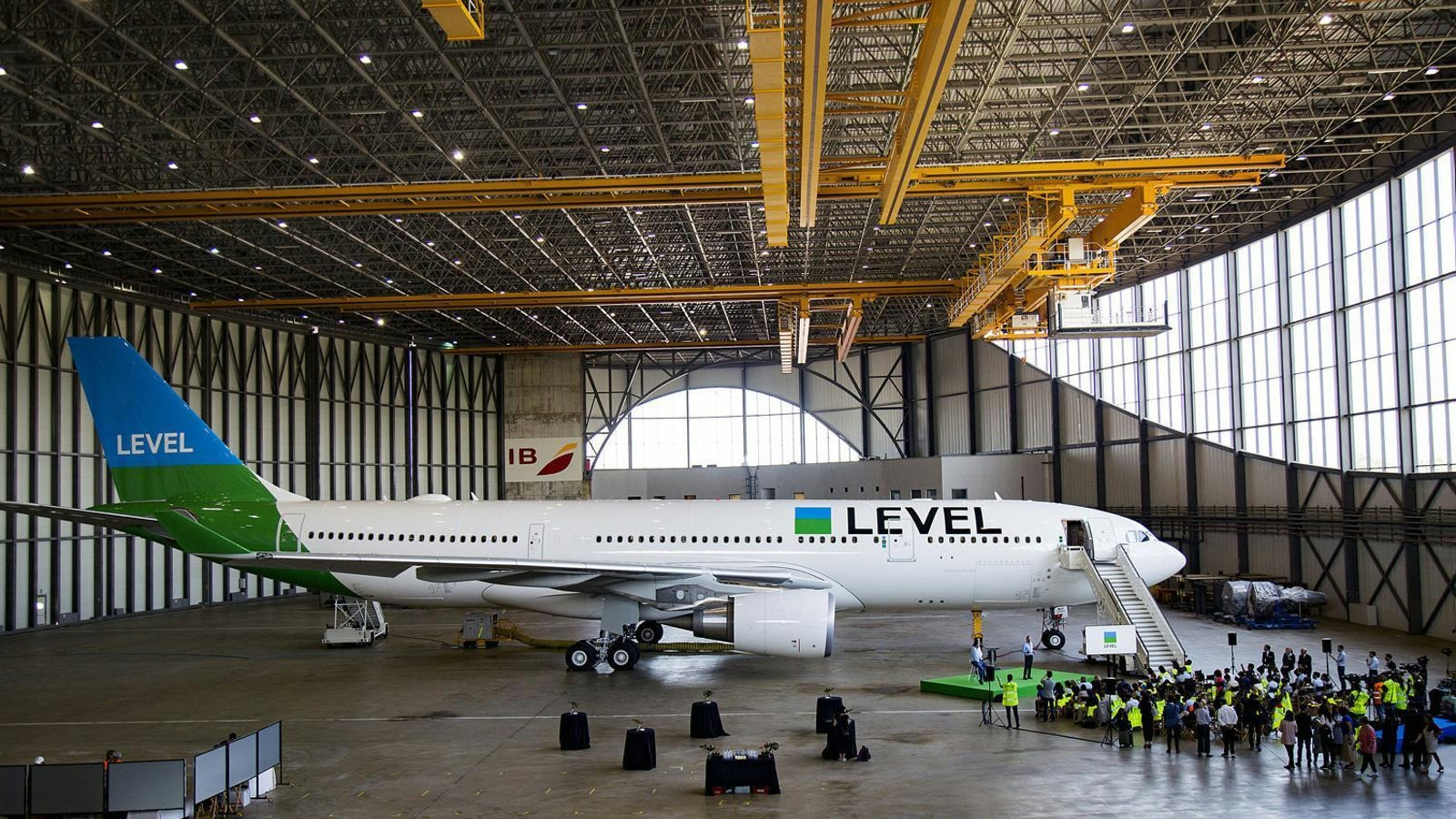
LEVEL Suspends San Francisco Flights Due to Engine Shortage
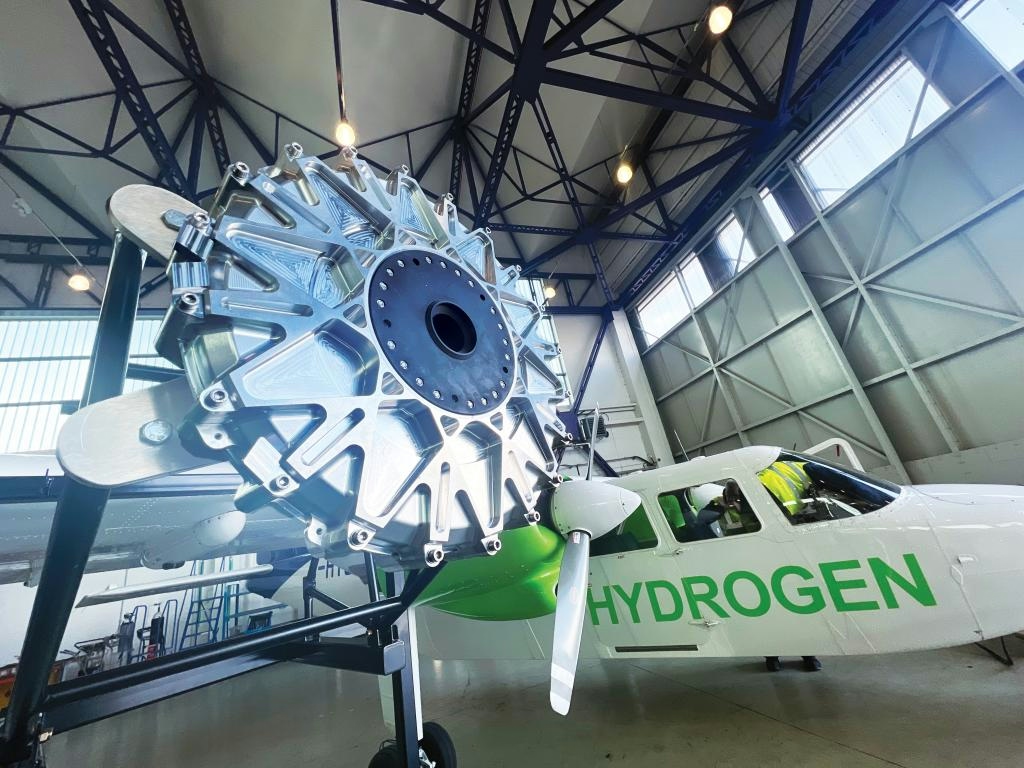
China Conducts First Flight Test of Megawatt Hydrogen Turboprop Engine

Oklahoma’s Aerospace Industry Expands and Its Impact on the State Economy
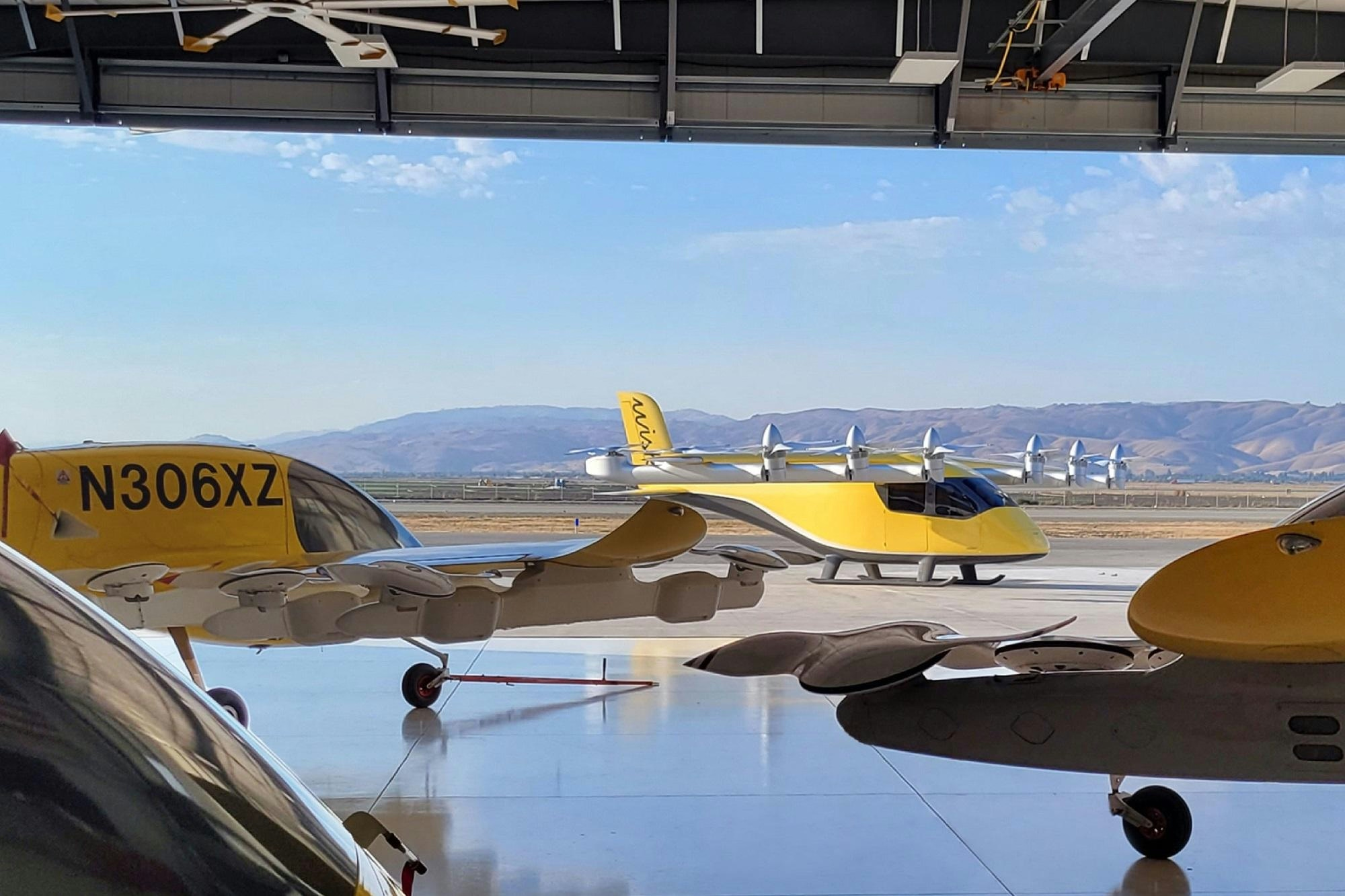
Archer Aviation Confronts Setbacks Amid Declining Air Taxi Interest

FAA and EASA Mandates to Influence Flight Line Testing Equipment Market Through 2035
Willis Lease Operates as a Leveraged Spread Business with Moderate Returns

Chinese Team Develops First Flight Control Software for Bamboo Drones
Government Moves Forward with Boeing Purchase, Considers Airbus Leasing
SkyHope Appoints Aviation Industry Leader to Board
The Challenges of Certifying Autonomous Aircraft
