
AeroGenie — Votre copilote intelligent.

Tendances
Categories
Cathay Pacific A321neo Returns to Kaohsiung After Suspected Engine Oil Leak
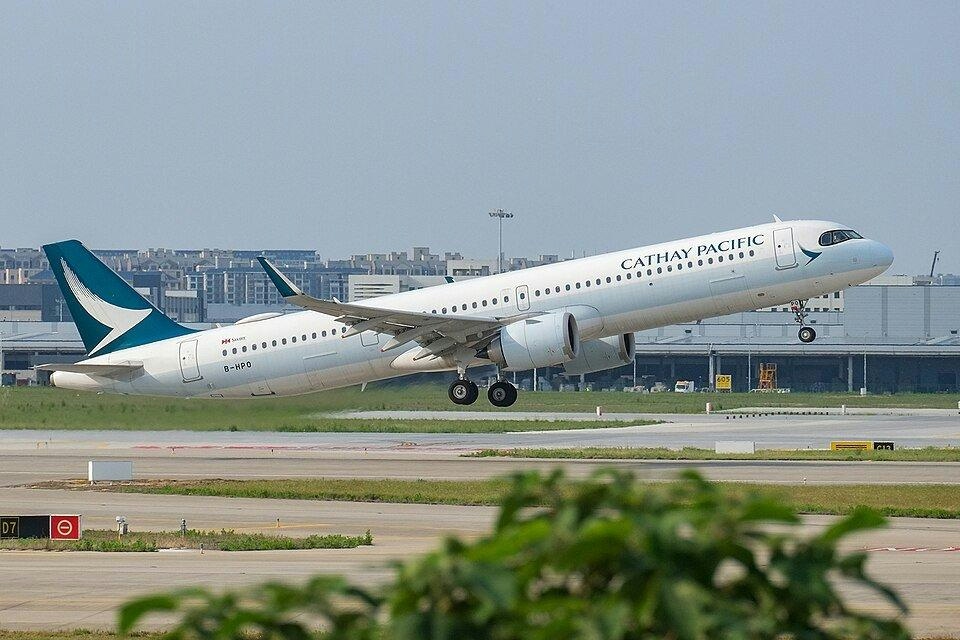
Cathay Pacific A321neo Returns to Kaohsiung Following Suspected Engine Oil Leak
Incident Overview and Immediate Response
A Cathay Pacific Airways flight en route to Hong Kong was compelled to return to Kaohsiung International Airport on Sunday morning after cockpit instruments detected a potential engine malfunction. Flight CX449, operated by an Airbus A321neo and carrying approximately 200 passengers, departed Kaohsiung at 7:45 am local time. Shortly after takeoff, the flight crew received an alert indicating abnormal engine pressure readings. In accordance with established safety protocols, the pilots elected to abort the journey and return to the airport, where the aircraft landed safely between 8:26 am and 8:49 am.
Preliminary technical inspections pointed to a suspected engine oil leak as the cause of the pressure anomaly that triggered the warning. Maintenance teams estimated that clearing the spilled oil and conducting targeted system checks would require approximately two hours before the aircraft’s operational status could be reassessed. The A321neo remains grounded in Kaohsiung pending further detailed inspections and any necessary engineering interventions.
Airline Response and Passenger Impact
Cathay Pacific characterized the incident as a “technical issue” in its official statement, refraining from specifying the exact nature of the engine fault. The airline emphasized that the decision to return was driven by safety considerations. All passengers disembarked without incident, and ground staff promptly assisted in rebooking travelers onto alternative flights to Hong Kong scheduled later that day. To mitigate inconvenience, the airline provided meal vouchers and refreshments, and deployed aircraft with greater seating capacity where feasible. Cathay Pacific also issued an apology to affected customers and expressed gratitude for their patience.
Industry Context and Broader Implications
This event occurs amid Cathay Pacific’s ongoing efforts to enhance operational reliability and expand its footprint in Southeast Asia. Aviation industry analysts note that technical disruptions of this nature can undermine passenger confidence and invite increased scrutiny from regulatory authorities, potentially complicating the airline’s growth ambitions in the region. Competitors such as Vietnam Airlines and other regional carriers may seek to leverage Cathay’s operational challenges by emphasizing their own safety records and efficiency, which could influence market dynamics and passenger preferences.
The incident also highlights wider concerns within the aviation sector regarding the reliability and maintenance of narrowbody aircraft engines. Recent industry data has revealed a rise in engine-related groundings and maintenance disruptions, underscoring the critical importance of rigorous technical oversight and preventive maintenance.
Safety officials and airline engineers continue to investigate the affected engine to ascertain the precise cause of the pressure irregularity and suspected oil leak. Cathay Pacific reaffirmed that its crew adhered strictly to established safety procedures and reiterated the airline’s commitment to maintaining the highest standards of operational safety.

Chinese Team Develops First Flight Control Software for Bamboo Drones

SkyHope Appoints Aviation Industry Leader to Board
The Challenges of Certifying Autonomous Aircraft
KLM to Receive First Airbus A350, Announces Initial Routes
Saxon Air Receives Clean and Green Energy Innovation Award
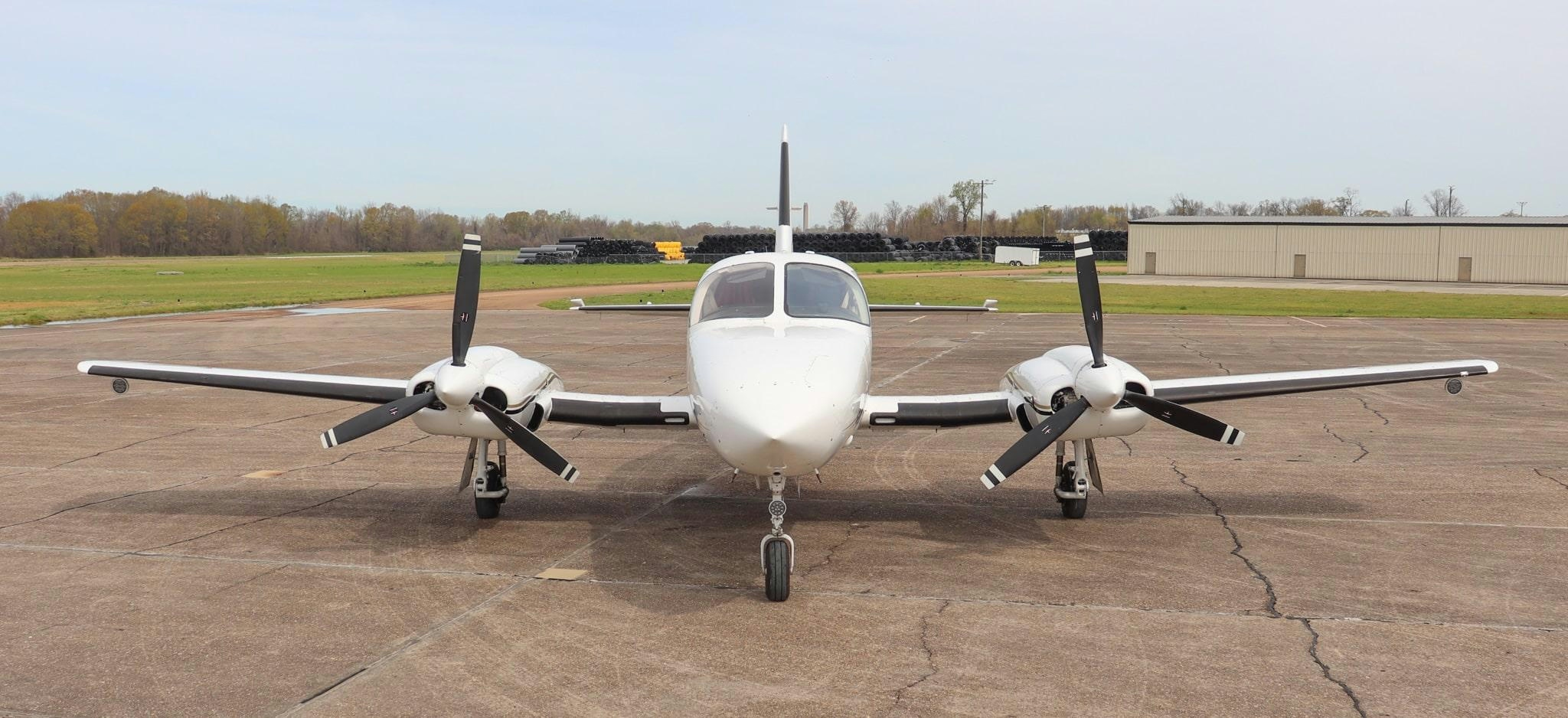
How BEB Tax Policies Impact Airlines’ International Leasing Contracts
Indonesia’s Danantara and Mandiri Partner with SMBC to Launch $800 Million Aviation Leasing Fund

South Korea’s SUM Air Places Order for New ATR Aircraft
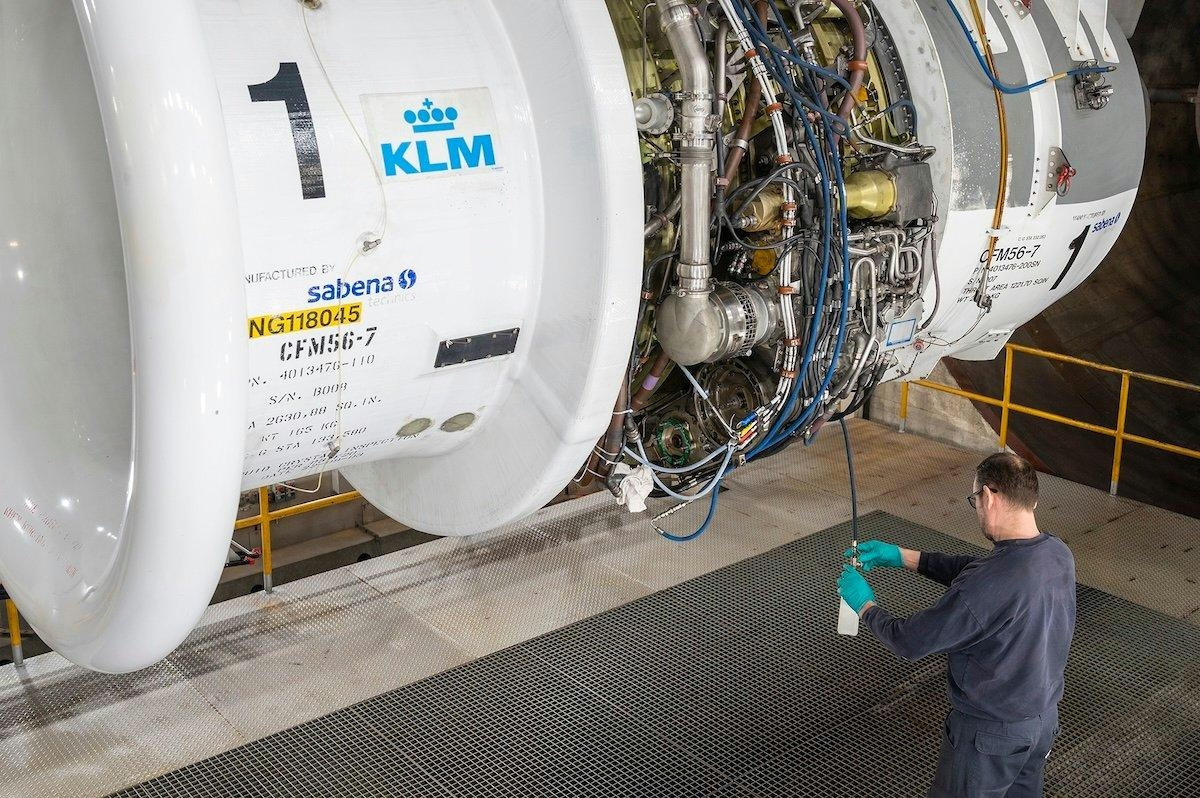
Benoît Rollier Named Vice President of KLM Engine Service
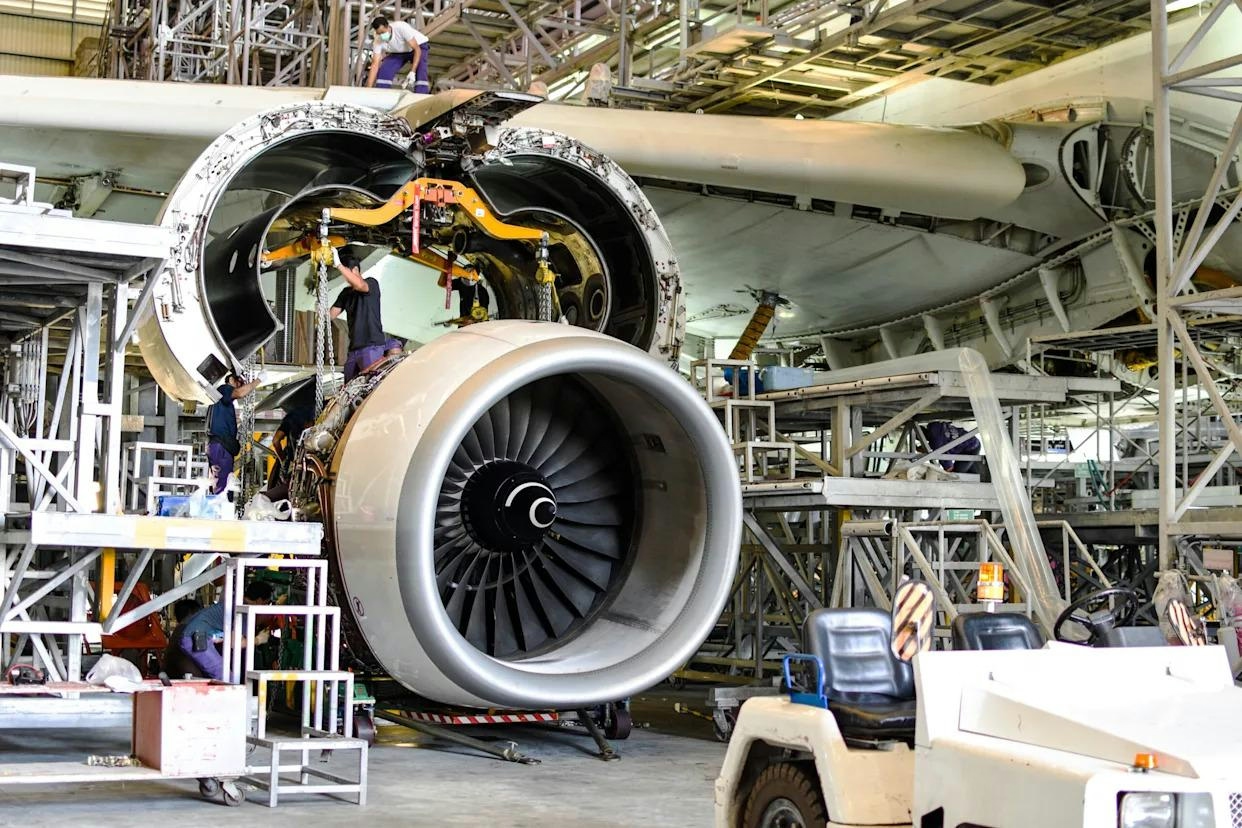
Azorra Expands Engine Portfolio Through Deal with DAE
