
AeroGenie — Votre copilote intelligent.

Tendances
Categories
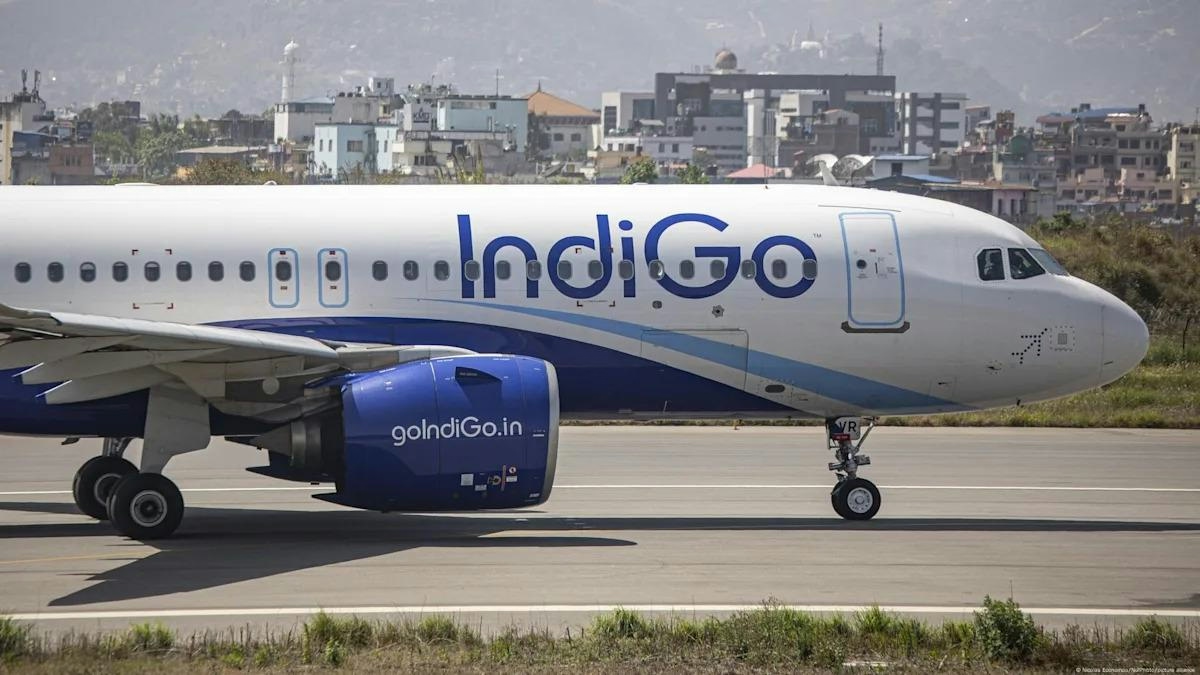
Aviation Ministry Approves Two New Indian Airlines Following IndiGo Crisis
Aviation Ministry Approves Two New Indian Airlines Following IndiGo Crisis
Government Endorses New Carriers to Enhance Competition
India’s Ministry of Civil Aviation has granted initial approval to two new airlines, Al Hind Air and Fly Express, in a strategic move to strengthen competition within the domestic aviation sector. This decision follows a recent operational crisis at IndiGo, the country’s dominant carrier, which exposed vulnerabilities in the market due to its overwhelming share and operational challenges.
Minister Ram Mohan Naidu announced that both airlines received their “no-objection certificates” (NOCs) this week, signaling the government’s intent to diversify the aviation landscape. The announcement came amid widespread disruptions caused by IndiGo’s cancellation of approximately 4,500 flights earlier this month, an event that left thousands of passengers stranded and intensified scrutiny over the risks associated with limited competition in one of the world’s fastest-growing aviation markets. Naidu also noted that Uttar Pradesh-based Shankh Air, which had previously secured its NOC, is expected to commence operations in 2026.
New Entrants and Market Dynamics
Al Hind Air, backed by the Kerala-based alhind Group, plans to focus on regional operations in southern India, deploying a fleet of ATR turboprop aircraft while currently pursuing its Air Operator Certificate. Fly Express is anticipated to target underserved routes, aiming to fill gaps left by existing carriers. These new entrants are poised to challenge the market dominance of IndiGo, which currently controls around 65% of domestic air travel.
The Indian aviation sector is already competitive, with established players such as the Air India Group holding a 27% market share, alongside Akasa Air, SpiceJet, Star Air, Fly91, and IndiaOne Air. Industry experts caution that while the arrival of new airlines may drive down fares and improve service quality, these carriers will face significant challenges. Operational complexities, regulatory compliance, and the need to build brand recognition in a crowded market will test their resilience. Established competitors are likely to respond with aggressive pricing strategies and enhanced customer service to maintain their market positions.
Challenges Highlighted by the IndiGo Crisis
The recent IndiGo disruptions brought to light critical issues such as pilot fatigue and the necessity for stringent regulatory oversight. These challenges underscore the importance of robust operational management, which new entrants must prioritize to avoid similar setbacks. The crisis has also intensified calls for regulatory reforms to ensure greater stability and reliability across the sector.
Since 2020, India has issued permits to six new air operators, including several regional carriers, as part of a broader effort to diversify and strengthen the aviation industry. The Directorate General of Civil Aviation (DGCA) currently oversees a range of scheduled carriers, including Air India, Air India Express, IndiGo, and the state-owned Alliance Air.
As Al Hind Air, Fly Express, and Shankh Air prepare to enter the market, the industry will closely monitor whether increased competition translates into improved service and operational stability or introduces further volatility into India’s dynamic aviation environment.

Archer Aviation Confronts Setbacks Amid Declining Air Taxi Interest

Chinese Team Develops First Flight Control Software for Bamboo Drones
Government Moves Forward with Boeing Purchase, Considers Airbus Leasing

SkyHope Appoints Aviation Industry Leader to Board
The Challenges of Certifying Autonomous Aircraft

KLM to Receive First Airbus A350, Announces Initial Routes

Saxon Air Receives Clean and Green Energy Innovation Award

How BEB Tax Policies Impact Airlines’ International Leasing Contracts
Indonesia’s Danantara and Mandiri Partner with SMBC to Launch $800 Million Aviation Leasing Fund

South Korea’s SUM Air Places Order for New ATR Aircraft
