
AeroGenie — Votre copilote intelligent.

Tendances
Categories
Aviation Experts Respond to Italian Newspaper’s Claims on AI-171 Crash Investigation
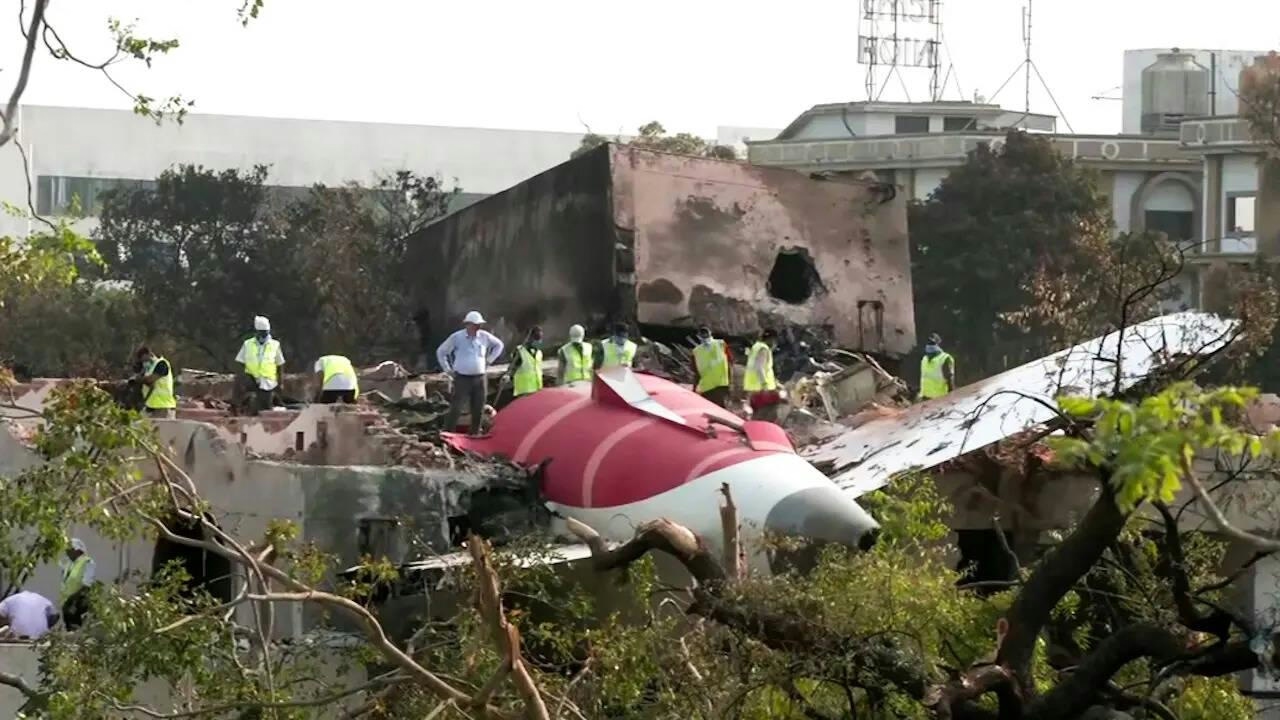
Aviation Experts Challenge Italian Newspaper’s Allegations in AI-171 Crash Investigation
Aviation specialists have voiced strong objections to recent assertions made by an Italian newspaper concerning the investigation into the Air India AI-171 crash. The newspaper’s report, which centers on a purported defect in the aircraft’s fuel control switch, has intensified scrutiny of the investigative process and raised broader concerns about regulatory oversight within the aviation sector.
Criticism of Investigation Focus and Industry Implications
Captain Randhawa, a seasoned pilot and industry analyst, sharply criticized the investigation’s approach, highlighting a lack of attention to the aircraft’s electrical systems. He remarked, “After reiterating the fact that the aircraft should be checked for electrical systems, neither the Aircraft Investigation Bureau (AIB) nor the Directorate General of Civil Aviation (DGCA) has ever done it. That is quite evident, because even if you see the 737 MAX crashes in Indonesia and Ethiopia, they tried to put the blame on the pilot, because there are billions at stake by these companies. And to safeguard themselves, they want to put the blame on the pilots, so that they are totally scot-free.” His comments underscore a perceived tendency within the industry to deflect responsibility away from manufacturers and regulatory bodies.
The Italian newspaper’s allegations have also triggered increased market vigilance regarding Boeing 787 operations. Industry analysts caution that if systemic faults are substantiated, it could lead to widespread groundings of the aircraft model. In response, rival airlines and manufacturers have reportedly launched their own inspections and safety audits to reassure both regulators and the traveling public of their commitment to safety.
Broader Safety Concerns and Regulatory Pressure
Recent fatal crashes, including incidents in Maine and Colombia, have further highlighted the critical need for thorough investigations and transparent regulatory oversight. These tragedies emphasize ongoing safety challenges within the aviation industry and the imperative to address technical malfunctions with urgency and precision.
As the inquiry into the AI-171 crash progresses, aviation authorities are under increasing pressure to conduct a comprehensive examination of all potential causes, including mechanical and electrical system failures. Experts stress that only an impartial and exhaustive investigation can restore public trust and maintain the highest standards of aviation safety worldwide.

Plane lands on Pennsylvania highway due to ‘engine issues,’ FAA says
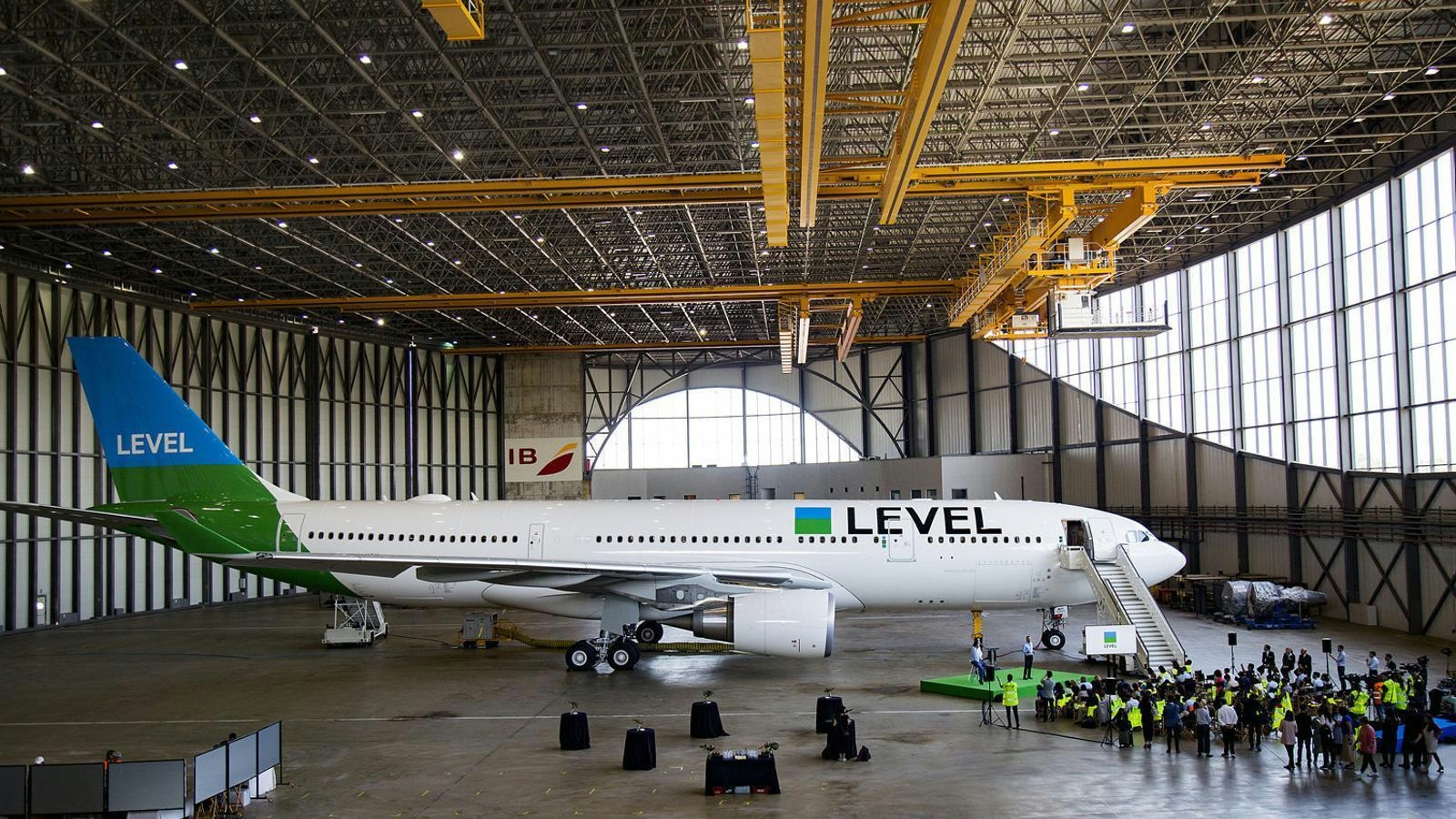
LEVEL Suspends San Francisco Flights Due to Engine Shortage
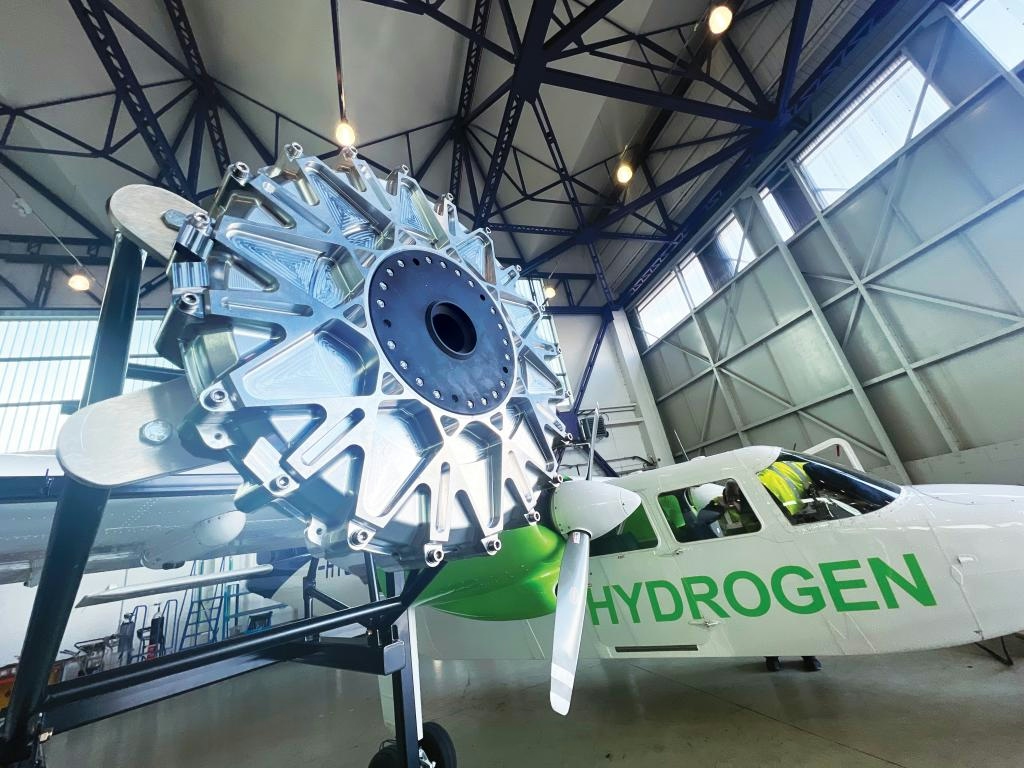
China Conducts First Flight Test of Megawatt Hydrogen Turboprop Engine

Oklahoma’s Aerospace Industry Expands and Its Impact on the State Economy
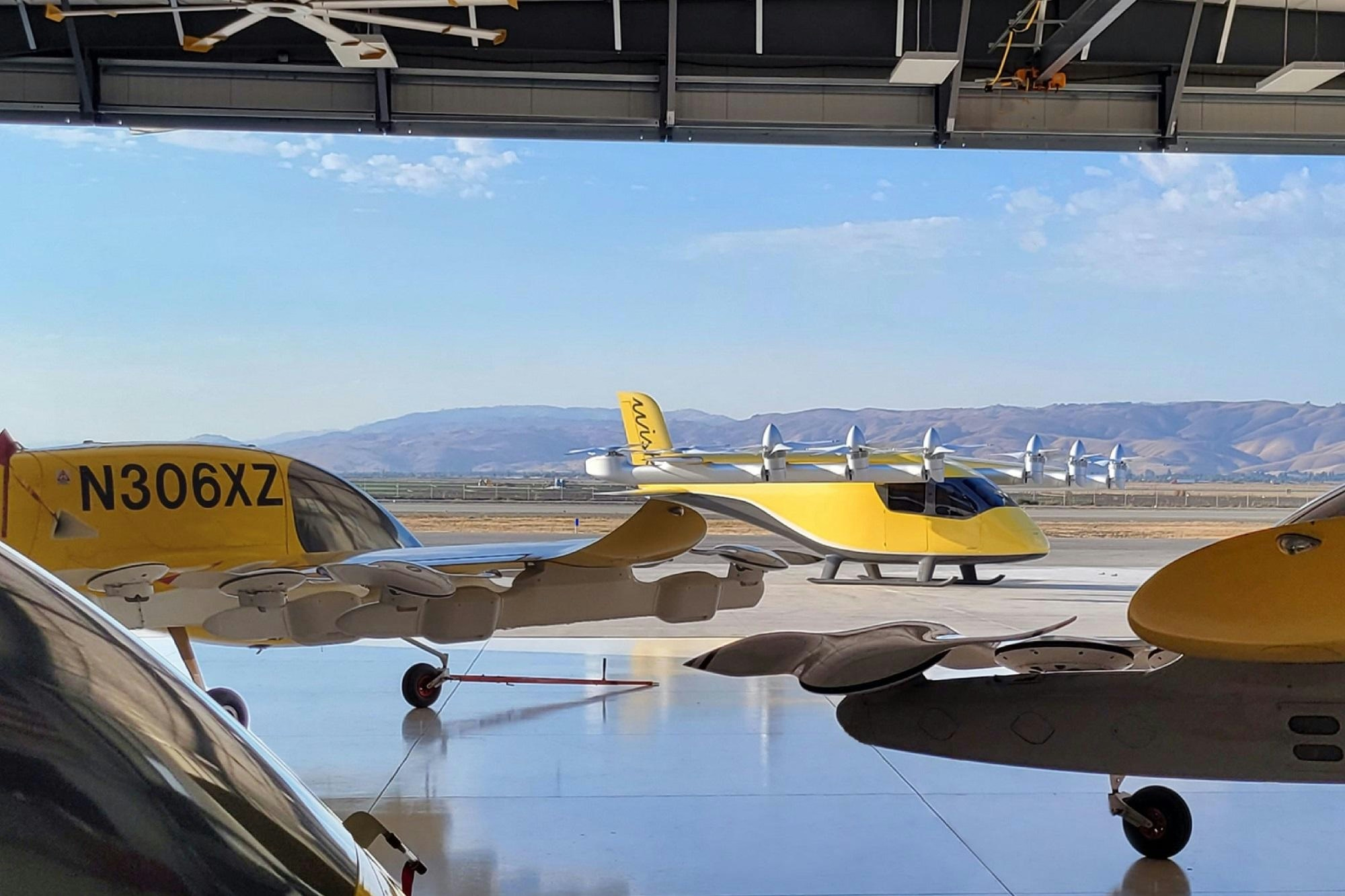
Archer Aviation Confronts Setbacks Amid Declining Air Taxi Interest

FAA and EASA Mandates to Influence Flight Line Testing Equipment Market Through 2035
Willis Lease Operates as a Leveraged Spread Business with Moderate Returns

Chinese Team Develops First Flight Control Software for Bamboo Drones
Government Moves Forward with Boeing Purchase, Considers Airbus Leasing

Changes in Airline Industry Leadership, Alliances, and AI
