
AeroGenie — Votre copilote intelligent.

Tendances
Categories
Airbus Valuation Reviewed Following Air Canada’s A350-1000 Order

Airbus Valuation Reassessed Following Air Canada’s A350-1000 Order
Airbus has once again captured market attention after Air Canada confirmed a firm order for eight A350-1000 aircraft, with options for additional units. This transaction highlights a growing demand among airlines for fuel-efficient, long-haul widebody jets and signals a strategic pivot by Air Canada toward modernizing its fleet with more environmentally sustainable aircraft. The deal is likely to prompt competitive responses, particularly from Boeing, which may accelerate its own widebody development programs or seek to renegotiate contracts with existing customers to preserve market share.
Market Reaction and Stock Performance
Following the announcement, Airbus shares rose by 2.5% in a single day, closing at €197.20, and recorded a 2.1% gain over the past week. Despite this short-term uplift, the stock has experienced a 9.3% decline over the last month, indicating a cooling of recent momentum. Nevertheless, Airbus’s longer-term performance remains robust, with total shareholder returns of 18.3% over the past year and an impressive 120.3% over five years.
While the Air Canada order may provide a near-term boost to Airbus’s stock price, investors remain cautious. Key challenges include the company’s ability to manage production schedules to meet the increased demand, ensure regulatory compliance for the A350-1000 model, and mitigate ongoing supply chain disruptions. Any delays or cost overruns could exert pressure on profit margins and temper investor enthusiasm.
Valuation and Industry Implications
Market analysts are currently debating whether Airbus’s valuation offers further upside potential. The consensus view suggests that the company is undervalued by approximately 14.8%, with a fair value estimate of €231.41 compared to the current share price. This assessment frames the Air Canada order as part of a broader, long-term growth narrative for Airbus, characterized not by rapid expansion but by a strong order backlog, disciplined operational management, and steady revenue growth.
The optimistic outlook is underpinned by expectations of improving profit margins and the assumption that Airbus can sustain earnings growth at scale. However, this positive sentiment is moderated by risks such as potential supply chain bottlenecks and setbacks in defense-related programs, which could challenge the notion that Airbus is significantly undervalued.
Air Canada’s commitment also reflects a wider industry trend toward sustainability and operational efficiency, which may compel other airlines and manufacturers to accelerate innovation. As competition intensifies, investors will closely monitor further aircraft orders, production progress, and strategic moves by Airbus’s rivals.
For investors evaluating Airbus, the current environment presents a complex mix of opportunities and risks. While the recent order and solid long-term fundamentals are encouraging, careful scrutiny of execution capabilities and external challenges remains crucial.

Plane lands on Pennsylvania highway due to ‘engine issues,’ FAA says
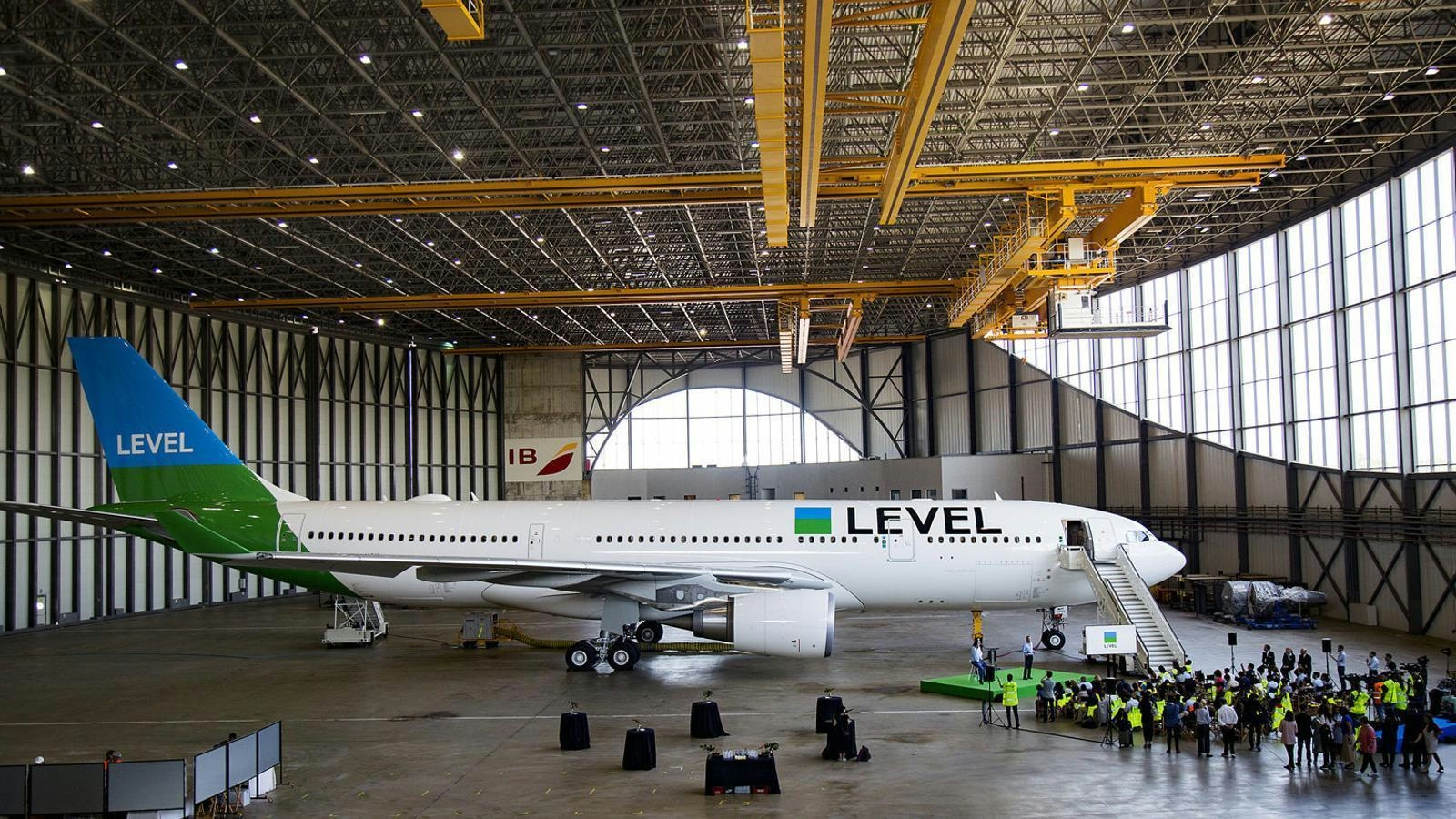
LEVEL Suspends San Francisco Flights Due to Engine Shortage

China Conducts First Flight Test of Megawatt Hydrogen Turboprop Engine

Oklahoma’s Aerospace Industry Expands and Its Impact on the State Economy

Archer Aviation Confronts Setbacks Amid Declining Air Taxi Interest

FAA and EASA Mandates to Influence Flight Line Testing Equipment Market Through 2035
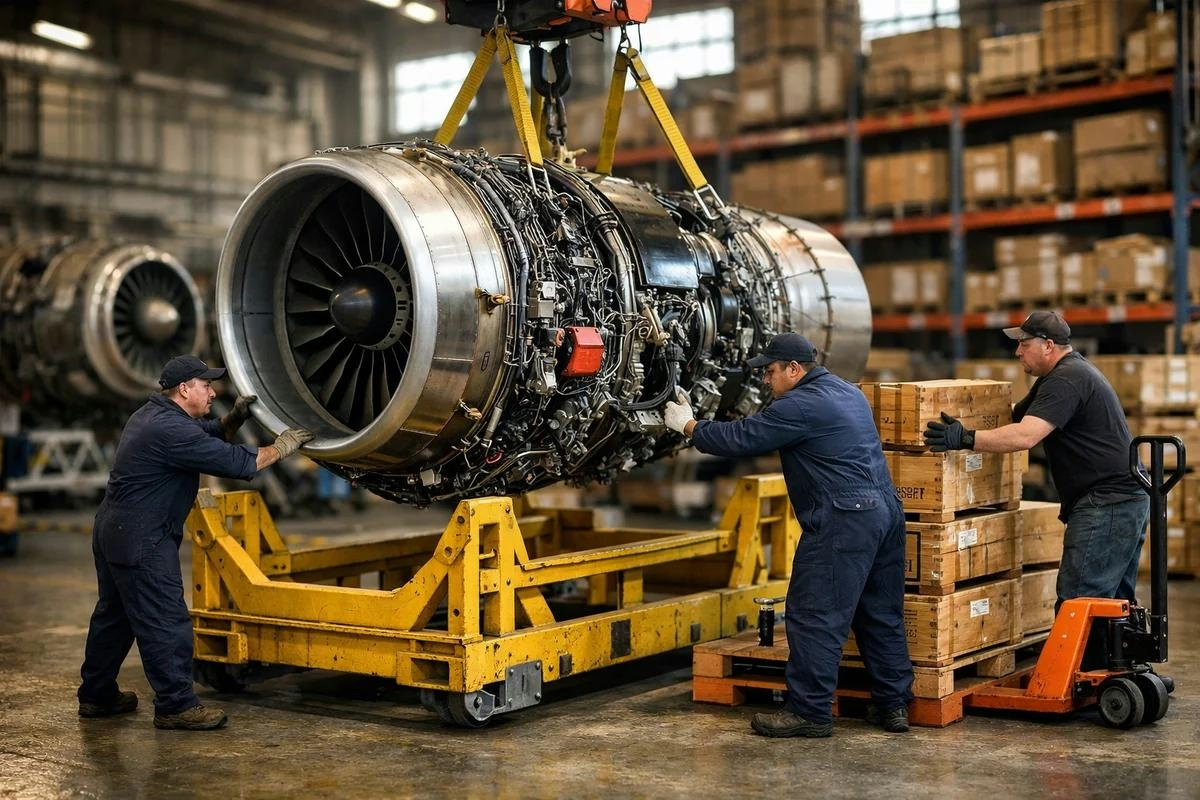
Willis Lease Operates as a Leveraged Spread Business with Moderate Returns

Chinese Team Develops First Flight Control Software for Bamboo Drones
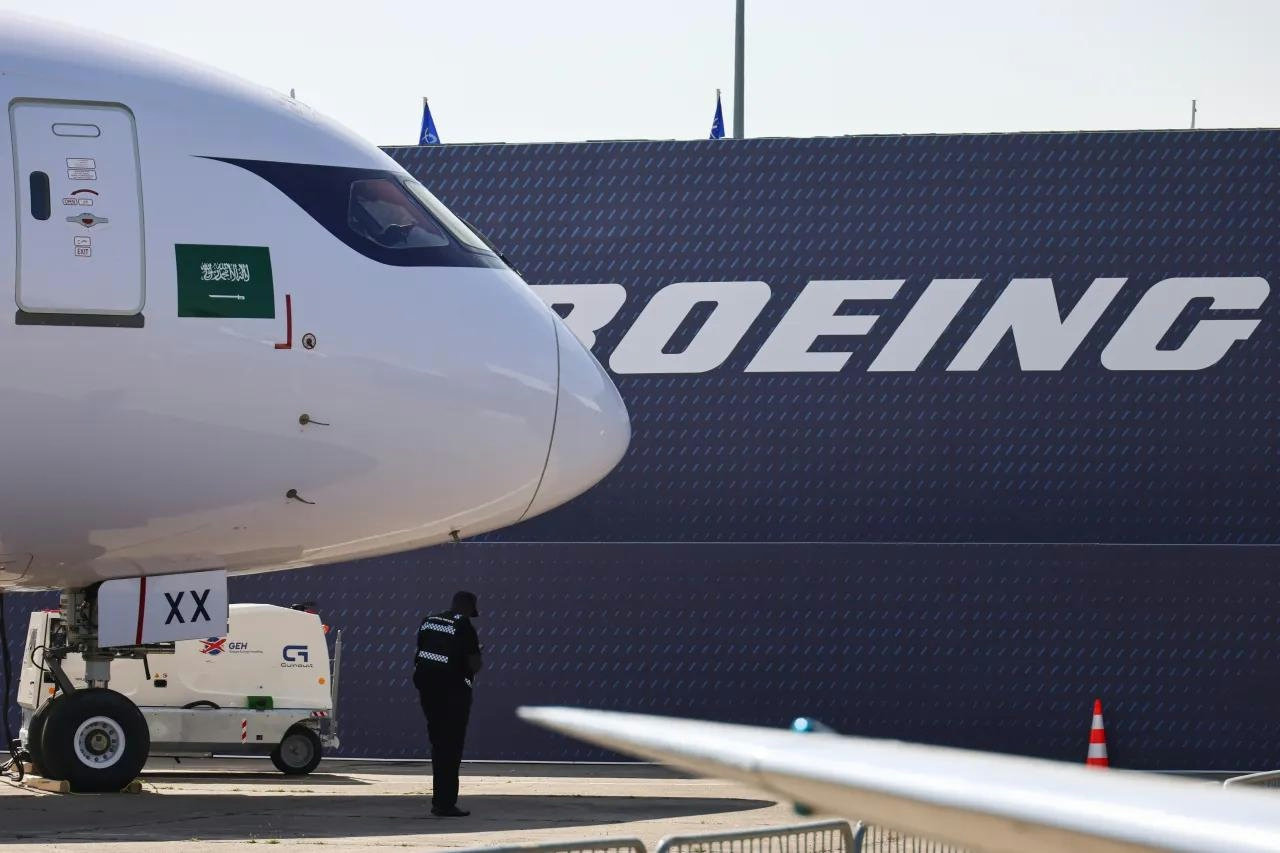
Government Moves Forward with Boeing Purchase, Considers Airbus Leasing

Changes in Airline Industry Leadership, Alliances, and AI
