
AeroGenie — Votre copilote intelligent.

Tendances
Categories
Airbus Resumes Normal Flights Following Software Update Alert
Airbus Resumes Normal Operations After Software Update Alert
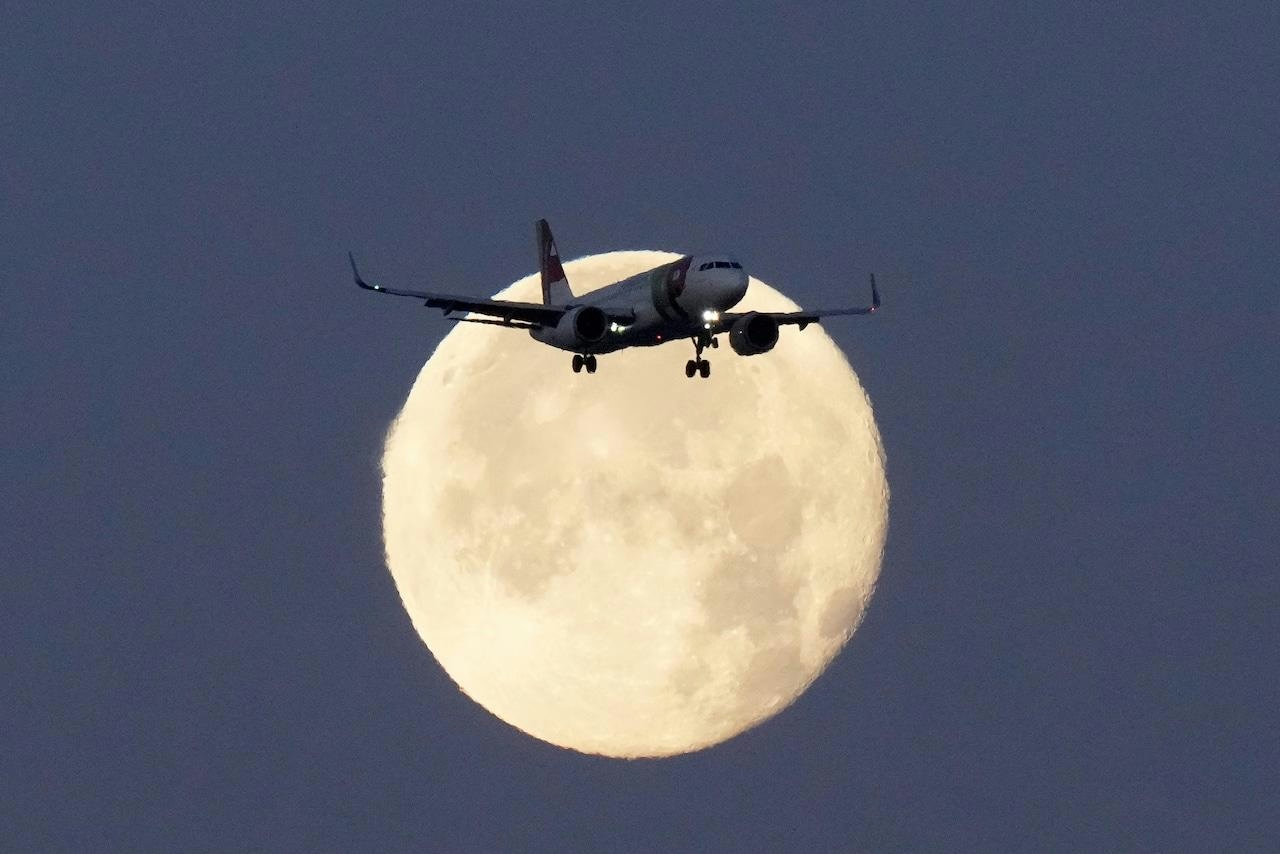
Airbus has announced the resumption of normal flight operations for thousands of its A320 aircraft following a brief grounding prompted by concerns over potential interference from solar radiation with onboard computer systems. The French aerospace manufacturer reported that approximately 6,000 A320 planes worldwide were affected, with the majority requiring a rapid software update to resolve the issue. Around 900 older aircraft will need a complete computer replacement to ensure continued safe operation.
Swift Industry Response Amid Holiday Travel
The alert emerged during the peak holiday travel season, raising fears of widespread disruption. However, airlines and aviation authorities acted promptly to mitigate the impact. French Transport Minister Philippe Tabarot confirmed that updates had been completed "very smoothly" for over 5,000 aircraft, with fewer than 100 still awaiting the necessary software fix as of Saturday. Airbus CEO Guillaume Faury acknowledged the "logistical challenges and delays" caused by the situation but assured that teams were working diligently to finalize all updates "as swiftly as possible."
Market reactions varied, with some airlines reporting minor delays while others highlighted the effectiveness of their response efforts. At Paris Charles de Gaulle Airport, several Air France flights experienced delays or cancellations on Saturday morning. American Airlines anticipated "operational delays" but expected most updates to be completed by the end of the day. Delta Airlines reported only limited operational impact.
Regional Impact and Airline Responses
In the United Kingdom, the Civil Aviation Authority confirmed that airlines worked overnight to implement the software update, resulting in minimal disruption to air traffic. Gatwick Airport experienced some disturbances, whereas Heathrow reported no cancellations. Manchester and Luton airports anticipated little to no impact. Major carriers such as British Airways and Air India were largely unaffected.
Low-cost carriers also responded efficiently. EasyJet completed updates on a significant portion of its fleet and planned to maintain normal operations. Wizz Air resumed regular service following overnight updates. In Australia, Jetstar initially canceled 90 flights but has since updated most of its aircraft, with some disruptions expected to persist through the weekend. Air New Zealand temporarily grounded its A320 fleet but has now resumed all flights after completing the necessary updates.
Meanwhile, competitors such as Boeing reported no similar software issues, allowing them to maintain uninterrupted operations throughout the period.
As of the latest reports, Airbus confirms that the vast majority of affected aircraft have received the required updates. Airlines anticipate a return to normal flight schedules with minimal further operational impact. The rapid and coordinated response across the industry has helped avert significant disruptions, ensuring that passenger travel remains largely unaffected.

Chinese Team Develops First Flight Control Software for Bamboo Drones
SkyHope Appoints Aviation Industry Leader to Board
The Challenges of Certifying Autonomous Aircraft
KLM to Receive First Airbus A350, Announces Initial Routes
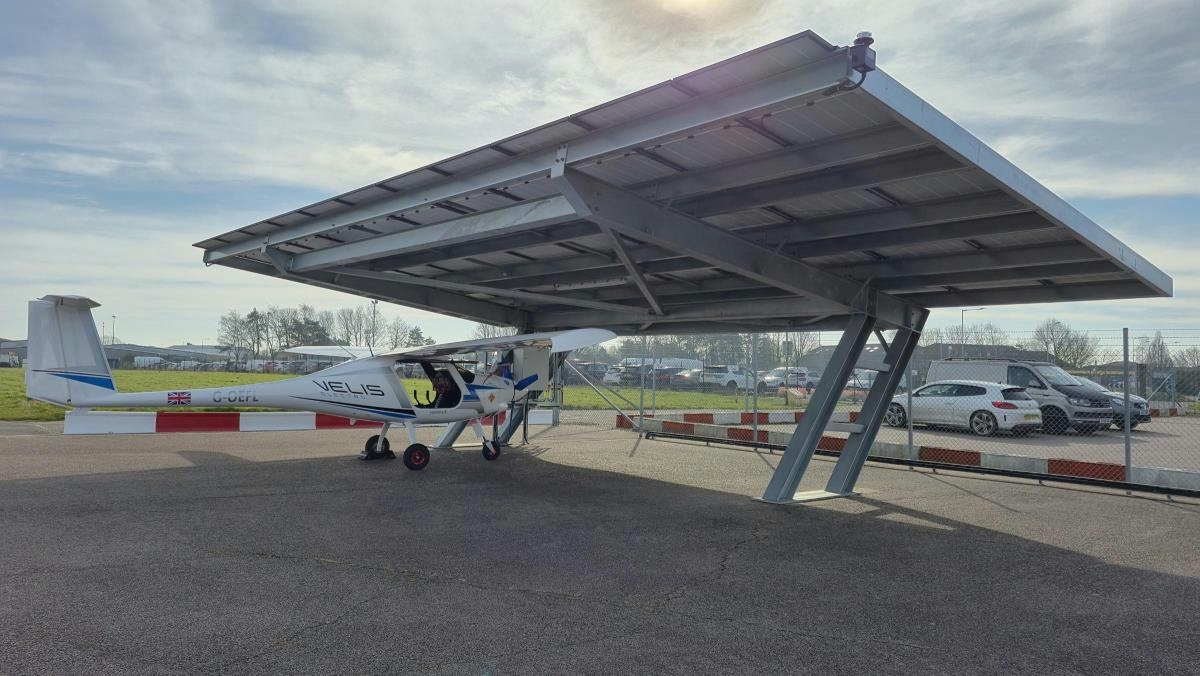
Saxon Air Receives Clean and Green Energy Innovation Award
How BEB Tax Policies Impact Airlines’ International Leasing Contracts

Indonesia’s Danantara and Mandiri Partner with SMBC to Launch $800 Million Aviation Leasing Fund

South Korea’s SUM Air Places Order for New ATR Aircraft
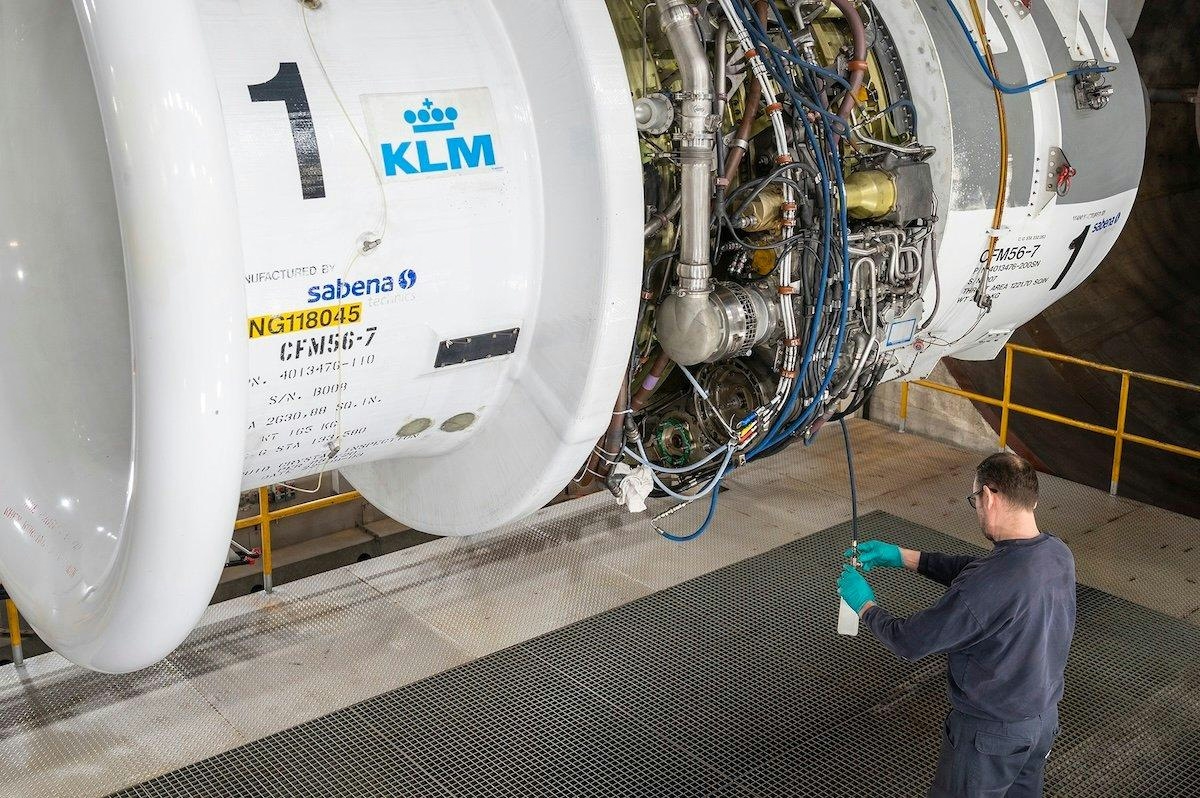
Benoît Rollier Named Vice President of KLM Engine Service
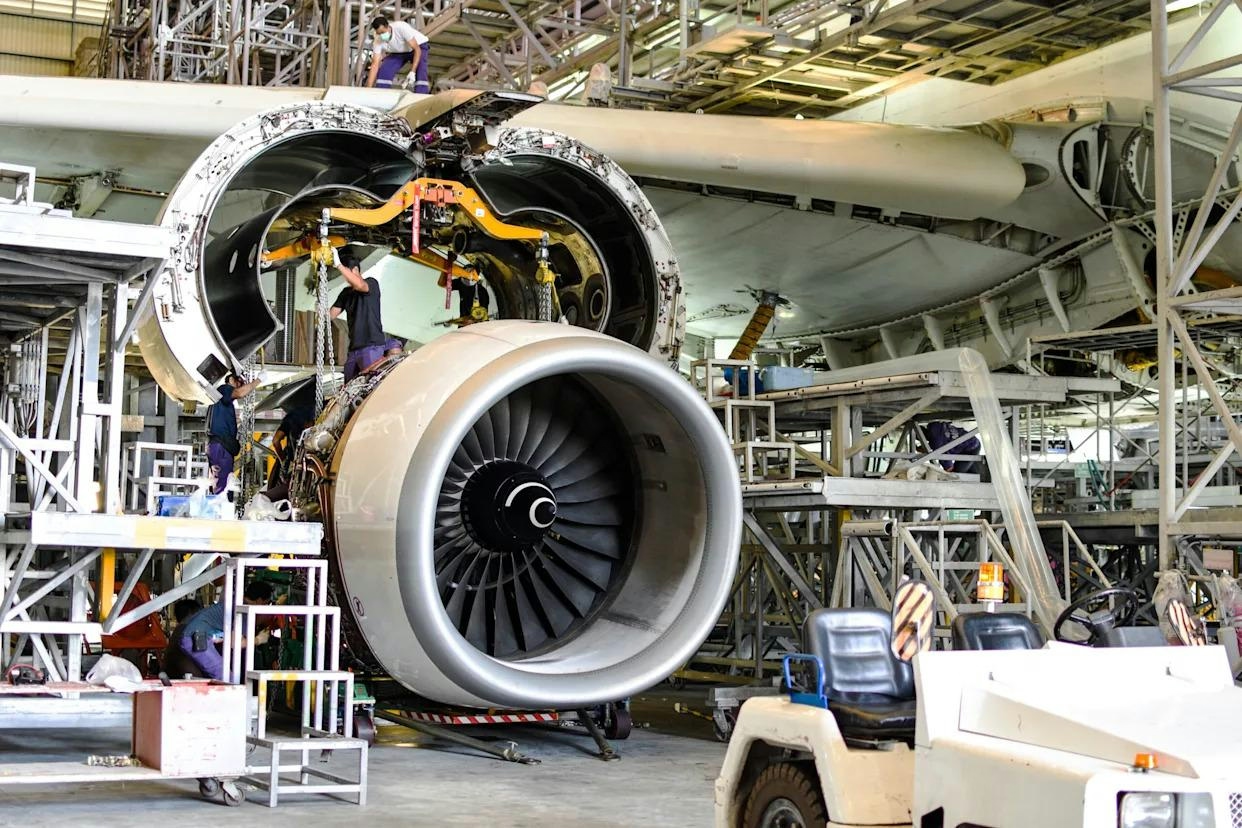
Azorra Expands Engine Portfolio Through Deal with DAE
