
AeroGenie — Votre copilote intelligent.

Tendances
Categories
AI is already deciding your bank calls, flights and bills in the UAE

AI is Already Deciding Your Bank Calls, Flights, and Bills in the UAE
Artificial intelligence is increasingly shaping critical decisions in the UAE’s financial and service sectors, influencing everything from loan approvals and insurance claims to customer service interactions and flight scheduling. While AI promises greater efficiency and streamlined operations, concerns are mounting over the data that underpins these systems and the potential implications for consumers.
The Challenge of Data Bias and Fairness
A leading industry expert warns that the greatest risk in AI-driven decisions is not computational error but the use of inappropriate training data. AI models rely on extensive historical datasets, which may embed past biases or unrepresentative trends. This can result in unfair outcomes, such as certain demographic groups being systematically disadvantaged in loan or insurance determinations. Recognizing this, the UAE Central Bank has issued guidelines stressing the importance of representative data to promote financial inclusion and prevent technology from inadvertently excluding segments of the population.
The risk of perpetuating historical prejudices through AI is a pressing concern as these technologies become more deeply integrated into everyday services. Ensuring fairness and transparency in automated decision-making processes remains a significant challenge for regulators and industry stakeholders alike.
Market Implications and Industry Responses
The rapid adoption of AI in banking and technology sectors is also drawing close scrutiny from investors. While these innovations hold the potential to transform operations and profitability, any publicized failures—particularly those involving biased or unfair decisions—could undermine investor confidence and lead to volatility in technology stock valuations.
In response, some UAE banks are adopting a hybrid model that combines AI-driven processes with human oversight. This approach aims to maintain inclusivity and transparency in decision-making. However, as operational demands increase and the push for efficiency intensifies, there is concern that human involvement may diminish, potentially heightening reliance on automated systems.
Nivetha Dayanand, Assistant Business Editor at Gulf News, who has extensively covered developments in finance, markets, and aviation across the Gulf, highlights the transformative impact of technology on the region’s economy. She notes, “The real test for AI in the UAE will be whether it can deliver both efficiency and fairness.”
As AI continues to influence decisions affecting everything from personal finances to travel plans, the imperative for transparent, equitable, and inclusive systems grows ever stronger. Ongoing vigilance from regulators, industry leaders, and consumers will be essential to navigate the challenges posed by this technological evolution.

Plane lands on Pennsylvania highway due to ‘engine issues,’ FAA says

LEVEL Suspends San Francisco Flights Due to Engine Shortage

China Conducts First Flight Test of Megawatt Hydrogen Turboprop Engine

Oklahoma’s Aerospace Industry Expands and Its Impact on the State Economy

Archer Aviation Confronts Setbacks Amid Declining Air Taxi Interest
FAA and EASA Mandates to Influence Flight Line Testing Equipment Market Through 2035
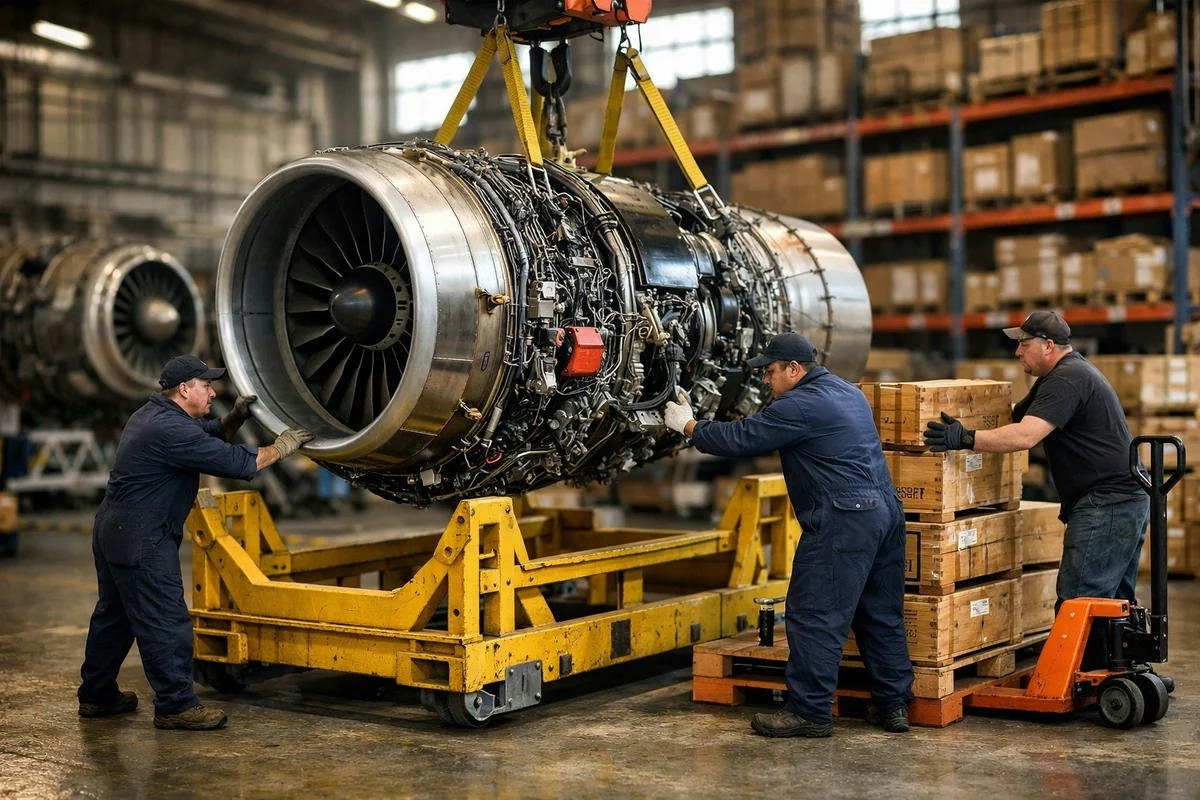
Willis Lease Operates as a Leveraged Spread Business with Moderate Returns

Chinese Team Develops First Flight Control Software for Bamboo Drones

Government Moves Forward with Boeing Purchase, Considers Airbus Leasing

Changes in Airline Industry Leadership, Alliances, and AI
