
AeroGenie — Tu copiloto inteligente.

Tendencias
Categories
Key Challenges Facing the Airline Industry in 2026
Key Challenges Facing the Airline Industry in 2026
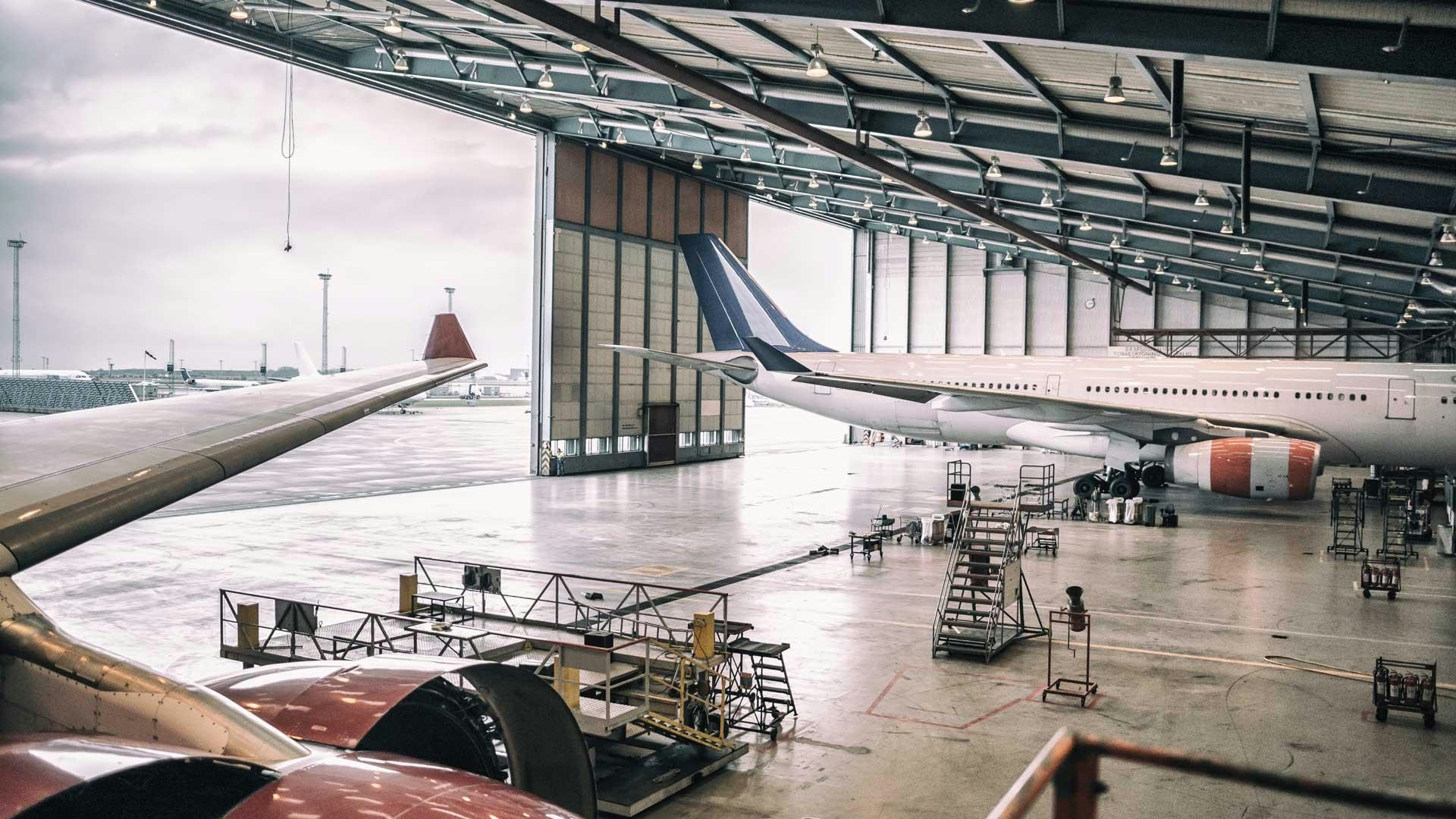
As the global airline industry enters 2026, it confronts a multifaceted and rapidly evolving landscape shaped by intersecting pressures in cybersecurity, artificial intelligence, labor relations, trade policy, sustainability, regulatory enforcement, and data governance. These challenges are further complicated by ongoing geopolitical volatility, exemplified by recent conflicts in the Middle East that have caused significant operational disruptions and widespread flight cancellations. In response to shifting market dynamics, US carriers are increasingly focusing on premium service offerings to meet changing traveler expectations, while European airline groups grapple with intensifying competition on transatlantic routes.
Cybersecurity: A Central Operational and Regulatory Concern
Cybersecurity has emerged as a critical risk area for airlines, which remain prime targets for a diverse array of threat actors including organized criminal networks, state-sponsored hackers, insiders, hacktivists, and AI-enabled attackers employing sophisticated techniques such as deepfakes and social engineering. Cyberattacks range from web application exploitation and system intrusions to denial-of-service attacks, asset theft, privilege misuse, and supply-chain compromises. Recent incidents have starkly illustrated how cyber events can severely disrupt airline and airport operations, with legacy infrastructure continuing to present significant vulnerabilities.
In recognition of these risks, the US Congress has designated the Federal Aviation Administration (FAA) as the primary regulator for aviation cybersecurity and established the Civil Aviation Cybersecurity Rulemaking Committee in 2025. This committee, composed of government and industry representatives, is tasked with developing comprehensive standards covering aircraft systems, ground operations, airports, and air traffic control. Beyond regulatory oversight, cybersecurity incidents are increasingly driving private litigation, including class actions alleging negligence and statutory violations. Consequently, cybersecurity considerations now permeate safety management, vendor oversight, disclosure obligations, and litigation preparedness within the industry.
Algorithmic Pricing and Antitrust Challenges
The adoption of AI-driven algorithmic pricing has transitioned from a theoretical concern to a tangible antitrust risk for airlines. Although comprehensive federal AI legislation remains limited, various states and municipalities have begun implementing AI-specific regulations that govern pricing practices. For instance, New York has introduced restrictions aimed at preventing algorithmic collusion in residential pricing, while California has enacted measures to curb coercive adoption of pricing recommendations. The US Department of Justice’s prior settlement with the Airline Tariff Publishing Company laid foundational guardrails, but technological advancements and evolving use cases have introduced new complexities for regulatory scrutiny. Recent litigation in other sectors further signals a heightened regulatory and judicial focus on the implications of modern algorithmic pricing.
Industry Outlook and Sustainability Imperatives
Looking ahead, International Airlines Group (IAG) faces a confluence of challenges including mounting competitive pressures, regulatory shifts, aircraft supply constraints, and increasing sustainability demands. In contrast, Air Canada expresses cautious optimism for 2026, highlighting revenue diversification as a key factor mitigating market volatility. Across the sector, decarbonization efforts remain a critical priority, with progress heavily dependent on the scalability of sustainable aviation fuel (SAF) and the effective oversight of carbon markets.
As airlines navigate these complex challenges, a strategic emphasis on cybersecurity resilience, regulatory compliance, operational adaptability, and sustainability initiatives will be essential to maintaining stability and competitiveness in the year ahead.
LEVEL Suspends San Francisco Flights Due to Engine Shortage
China Conducts First Flight Test of Megawatt Hydrogen Turboprop Engine

Oklahoma’s Aerospace Industry Expands and Its Impact on the State Economy
Archer Aviation Confronts Setbacks Amid Declining Air Taxi Interest
FAA and EASA Mandates to Influence Flight Line Testing Equipment Market Through 2035
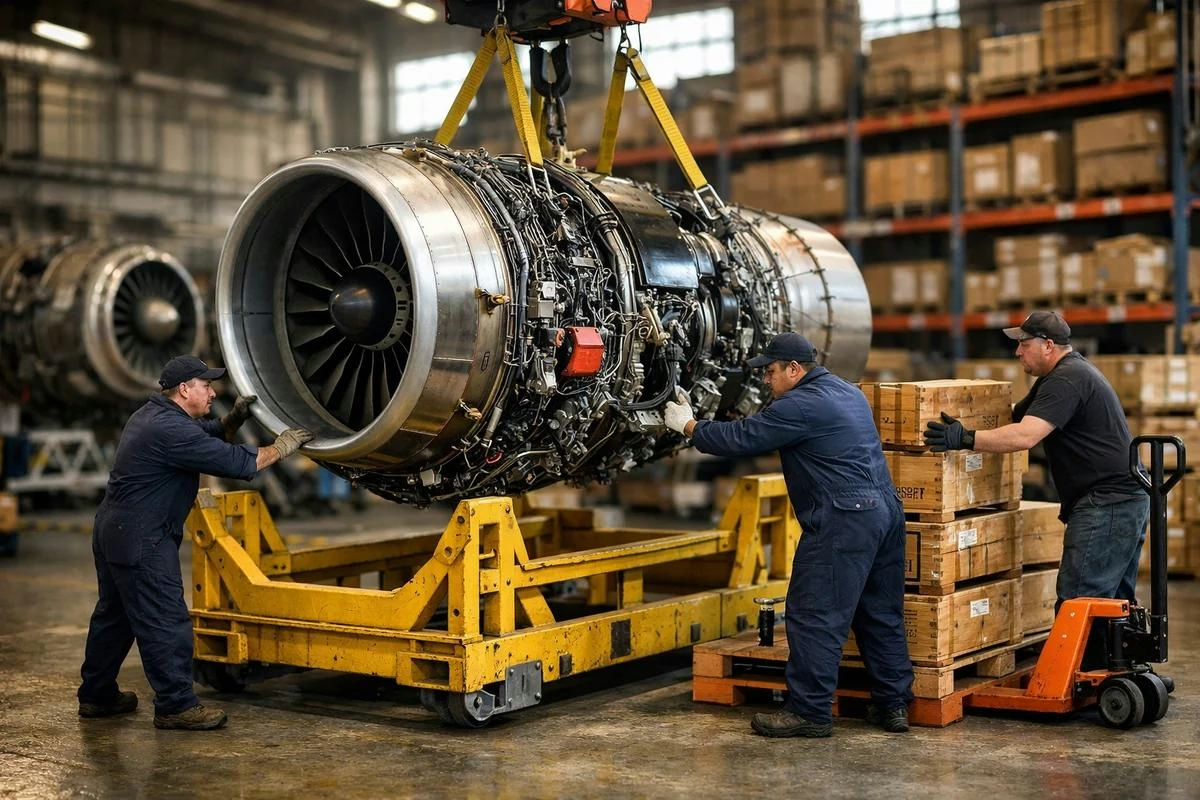
Willis Lease Operates as a Leveraged Spread Business with Moderate Returns
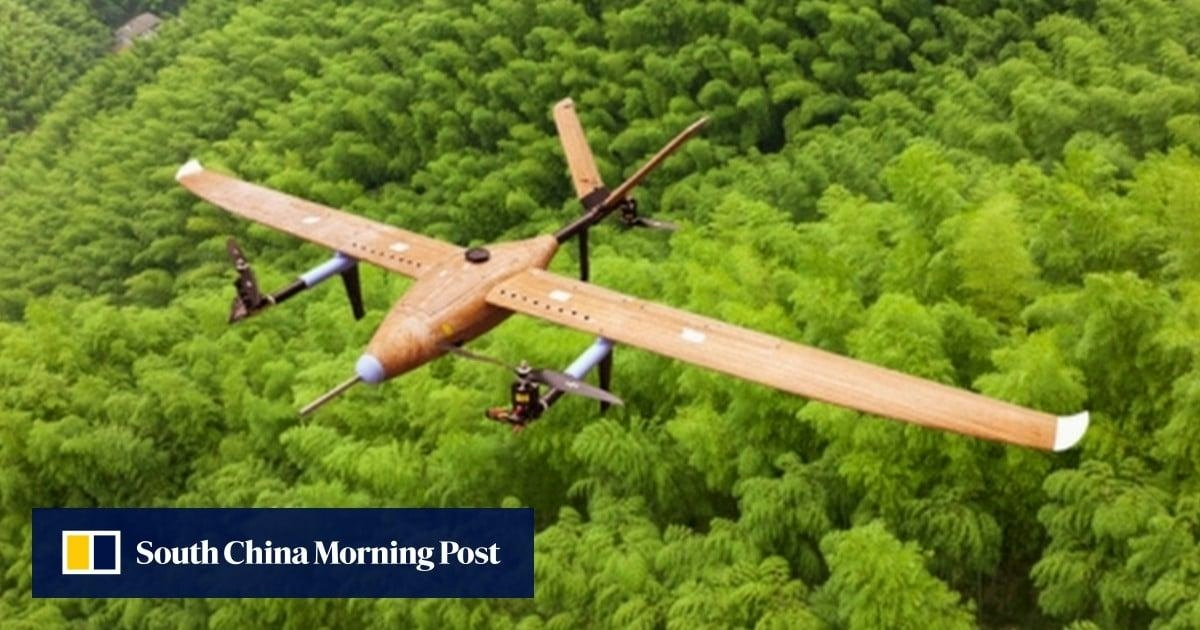
Chinese Team Develops First Flight Control Software for Bamboo Drones
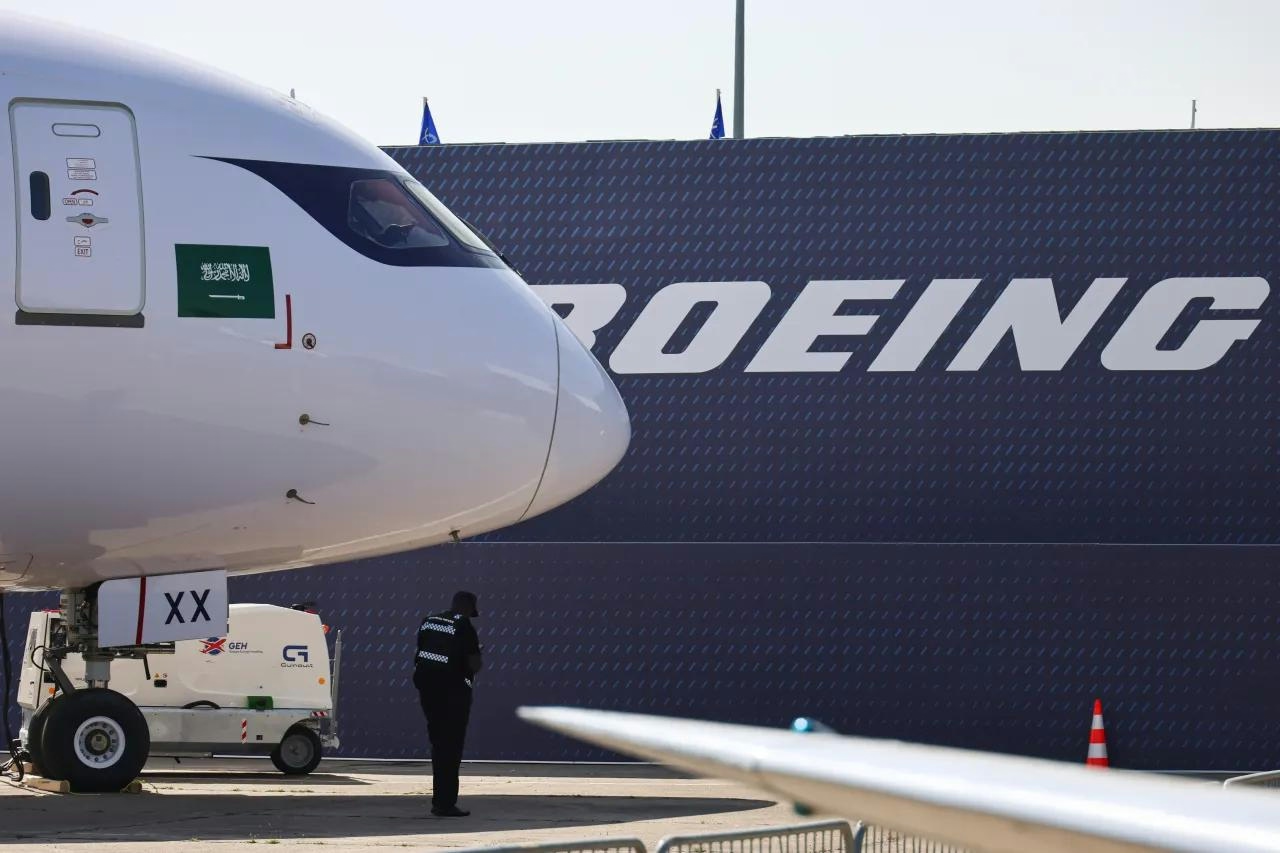
Government Moves Forward with Boeing Purchase, Considers Airbus Leasing

SkyHope Appoints Aviation Industry Leader to Board
The Challenges of Certifying Autonomous Aircraft
