
AeroGenie — Tu copiloto inteligente.

Tendencias
Categories
Engine Fire Forces Emergency Landing of Flight to Corfu Carrying 250 Passengers
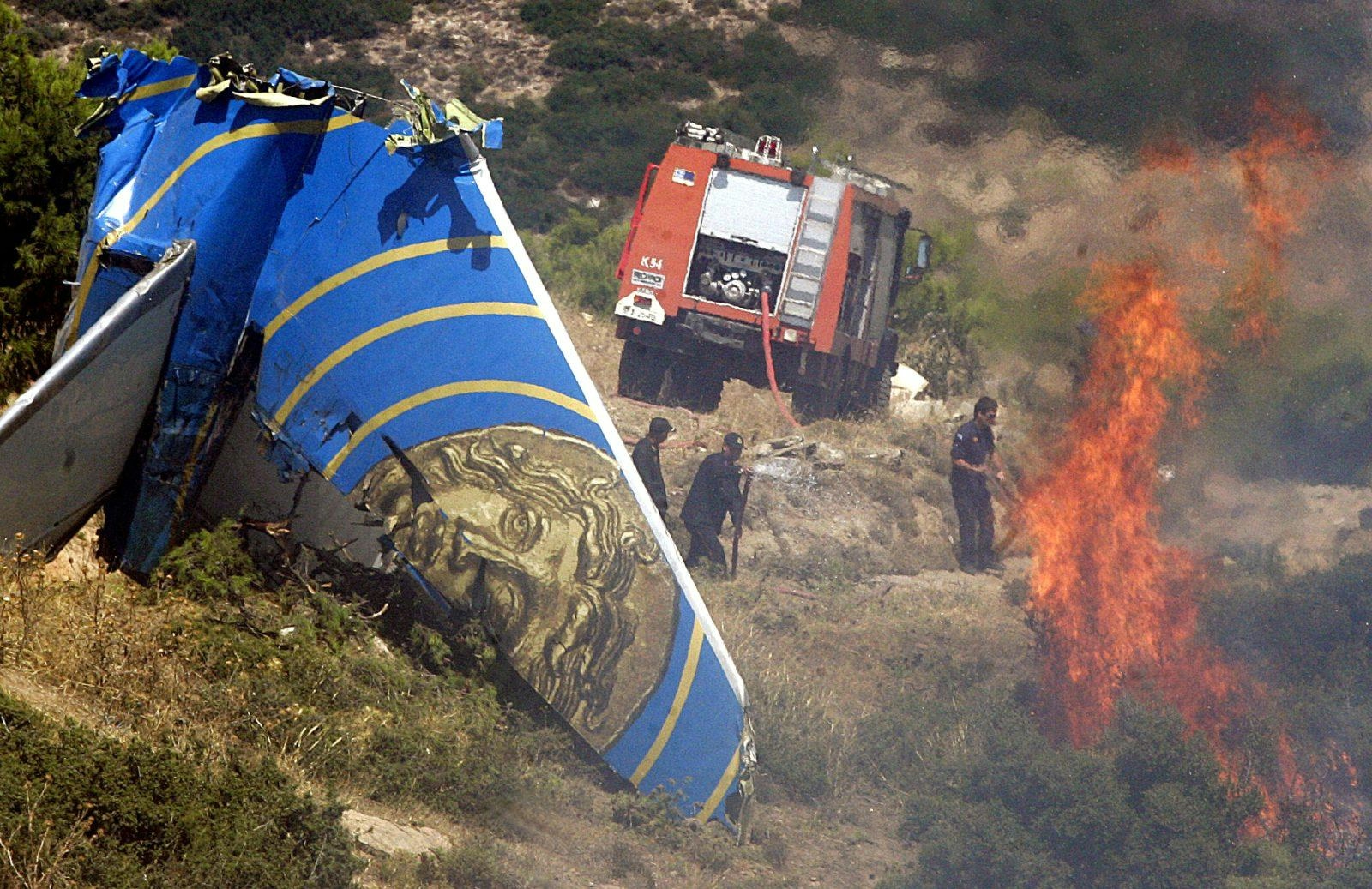
Engine Fire Forces Emergency Landing of Flight to Corfu Carrying 250 Passengers
A Boeing 757-300 operated by Condor, carrying 250 passengers, was compelled to make an emergency landing after one of its engines caught fire shortly after departing from Corfu, Greece. The aircraft had taken off from Corfu International Airport at approximately 8 p.m. local time on Saturday, bound for Düsseldorf, Germany. The critical incident occurred at an altitude of around 1,500 feet when the right engine suddenly erupted in flames.
Explosions Over Corfu and Immediate Response
The dramatic event was captured on video, showing the engine engulfed in flames accompanied by loud explosions that were audible across Corfu’s harbor. Both residents and tourists reported hearing a deafening noise as the aircraft passed overhead. In response, the flight crew promptly shut down the affected engine and began assessing the situation to ensure the safety of all on board.
Despite the severity of the engine fire, the captain confirmed to authorities that the aircraft was capable of continuing flight on a single engine. Instead of returning directly to Corfu, the pilots executed a right turn, circled the island, and proceeded northwest, maintaining an altitude between 6,000 and 8,000 feet. Throughout the ordeal, the crew prioritized passenger and crew safety, managing the emergency with professionalism and composure.
Safe Diversion and Industry Implications
The flight was ultimately diverted to Brindisi Airport in southern Italy, where it landed safely without any reported injuries among passengers or crew. The successful emergency landing underscored the effectiveness of established safety protocols and the crew’s adept handling of the situation.
This incident has renewed attention on airline safety procedures and emergency response measures. While Condor was the operator involved, such events often prompt broader industry evaluations, with regulators and competitors reviewing safety standards across carriers. The episode also raises considerations regarding insurance and operational risks, as well as comparisons to previous similar incidents. It highlights the ongoing necessity for rigorous maintenance practices and comprehensive crew training within the aviation sector.
For further information and updates, official sources and airline statements remain the primary references.

Archer Aviation Confronts Setbacks Amid Declining Air Taxi Interest

Chinese Team Develops First Flight Control Software for Bamboo Drones
Government Moves Forward with Boeing Purchase, Considers Airbus Leasing

SkyHope Appoints Aviation Industry Leader to Board
The Challenges of Certifying Autonomous Aircraft

KLM to Receive First Airbus A350, Announces Initial Routes

Saxon Air Receives Clean and Green Energy Innovation Award
How BEB Tax Policies Impact Airlines’ International Leasing Contracts

Indonesia’s Danantara and Mandiri Partner with SMBC to Launch $800 Million Aviation Leasing Fund

South Korea’s SUM Air Places Order for New ATR Aircraft
