
AeroGenie — Tu copiloto inteligente.

Tendencias
Categories
Airbus Delivers 793 Aircraft Despite Supply Chain Challenges
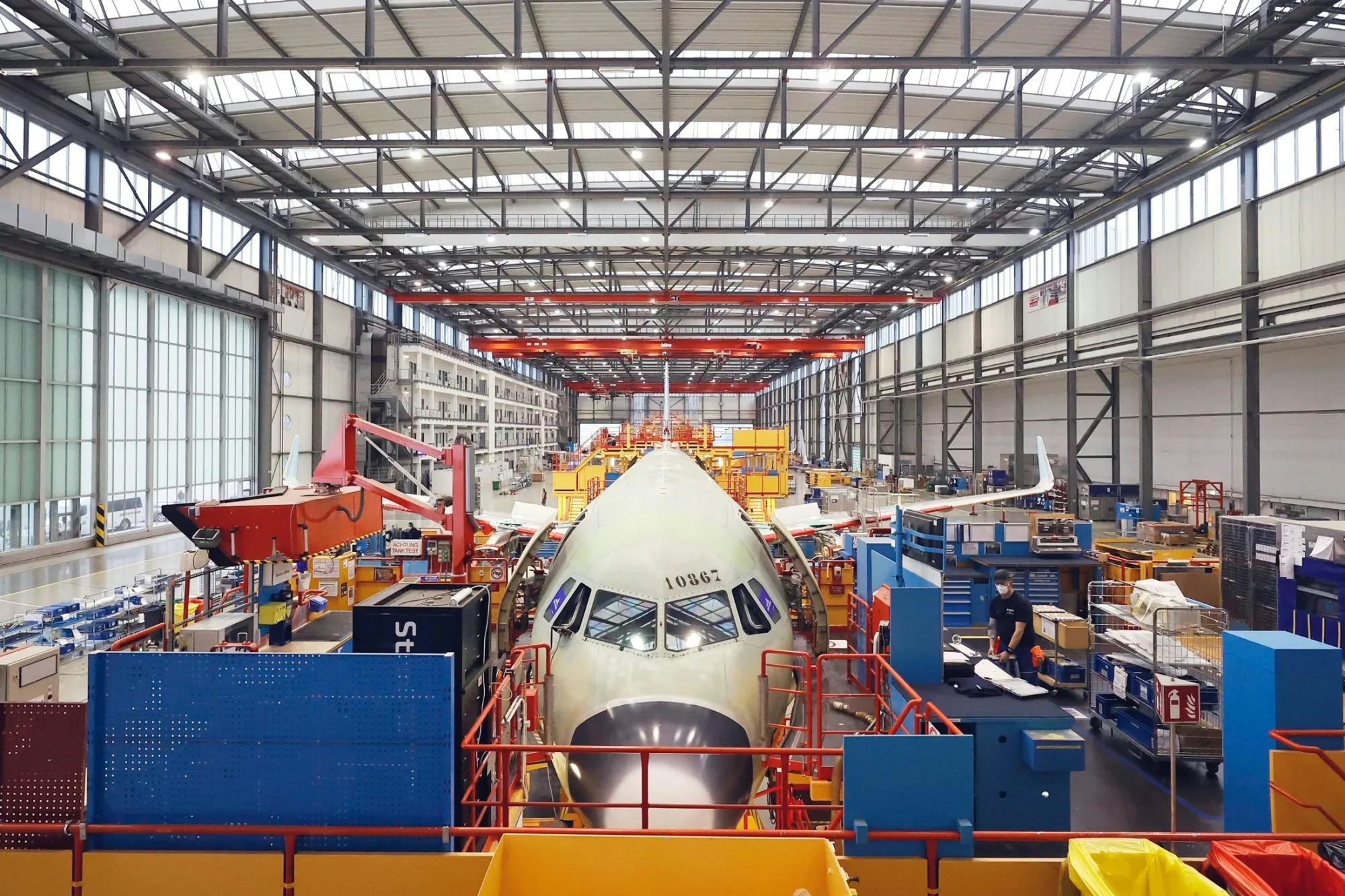
Airbus Delivers 793 Aircraft Despite Supply Chain Challenges
Airbus delivered a total of 793 commercial aircraft to 91 customers worldwide in 2025, surpassing its revised annual target of 790 and representing a 4% increase compared to the previous year. This performance highlights the European manufacturer’s operational resilience amid ongoing supply chain disruptions that continue to affect the aerospace sector’s recovery.
Operational Performance Amid Supply Chain Strains
Despite persistent industrial challenges and concerns over engine supplies, Airbus maintained its position as the world’s largest aircraft manufacturer. The company’s delivery figures were supported in part by several dozen orders from China secured in December, enabling it to exceed its own projections. Nevertheless, the broader supply chain remains fragile, still grappling with the lingering effects of the COVID-19 pandemic, which has complicated procurement and logistics across the industry.
In 2025, Airbus reported 1,000 gross orders from 57 customers, resulting in 889 net orders after cancellations. This strong demand increased the company’s total order backlog to a record 8,754 aircraft by the end of the year. The growing backlog underscores the critical need for meticulous capacity planning, vendor management, and materials flow coordination throughout the aerospace supply network. The book-to-bill ratio remaining above one signals sustained demand for both single-aisle and widebody models as the industry works to restore production levels to those seen before the pandemic.
Christian Scherer, the outgoing Chief Executive Officer of Airbus’s Commercial Aircraft division, remarked in a company statement that “the overall situation is much brighter now with a great deal fewer bottlenecks,” reflecting gradual improvements in the industrial environment.
Industry Context and Competitive Landscape
Meanwhile, Boeing delivered 600 aircraft in 2025, marking its highest annual total in seven years and demonstrating progress despite similar industry challenges. Boeing recorded net orders for 1,173 airplanes, surpassing Airbus in sales for the first time since 2018. Both manufacturers continue to face a supply chain weakened by pandemic-era disruptions, highlighting the ongoing operational difficulties confronting global aerospace production.
As Airbus and Boeing navigate these complexities, their 2025 results illustrate both the resilience and vulnerabilities of an industry striving to meet strong demand while managing persistent supply chain constraints.

Oklahoma’s Aerospace Industry Expands and Its Impact on the State Economy
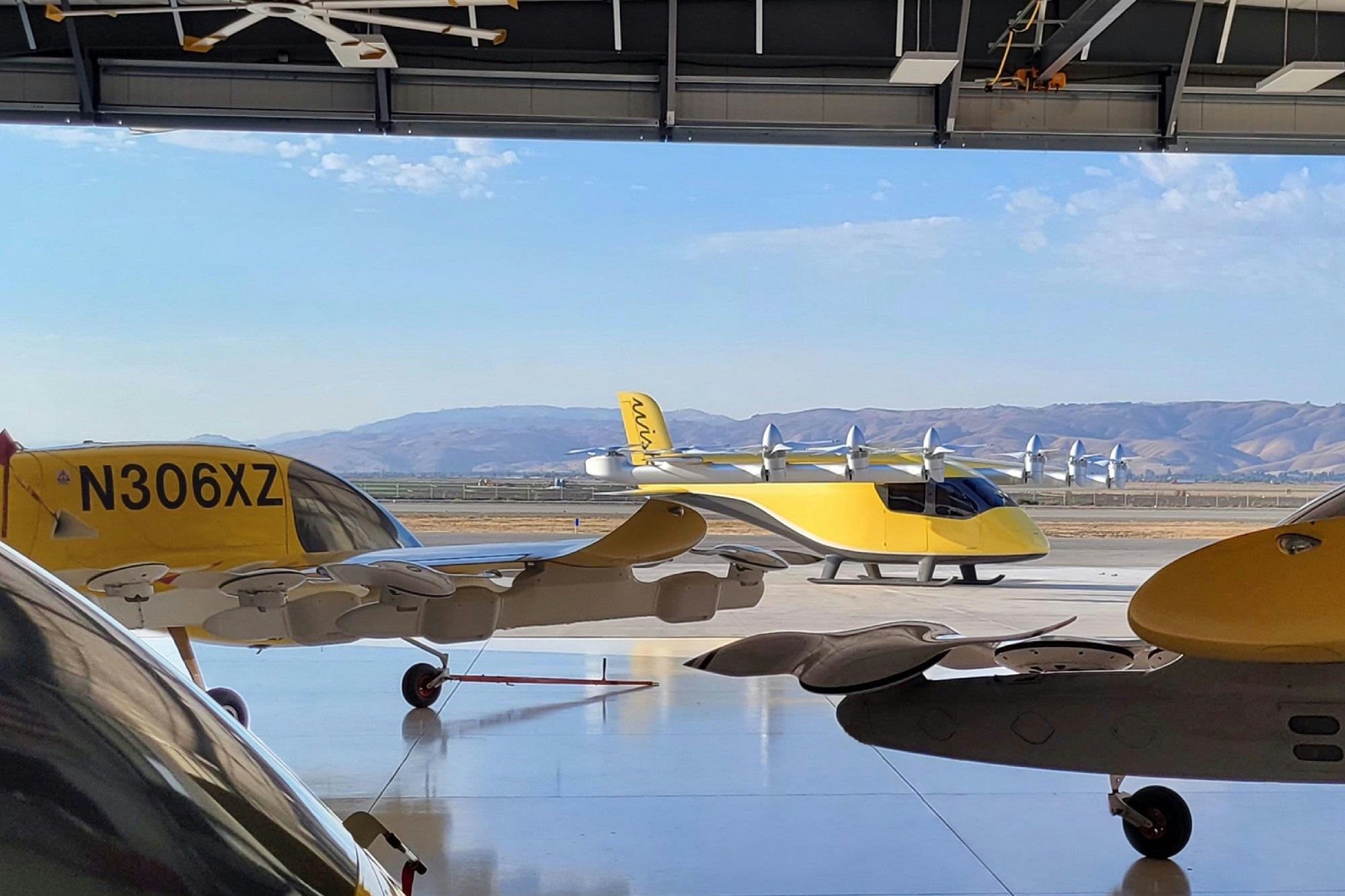
Archer Aviation Confronts Setbacks Amid Declining Air Taxi Interest

FAA and EASA Mandates to Influence Flight Line Testing Equipment Market Through 2035
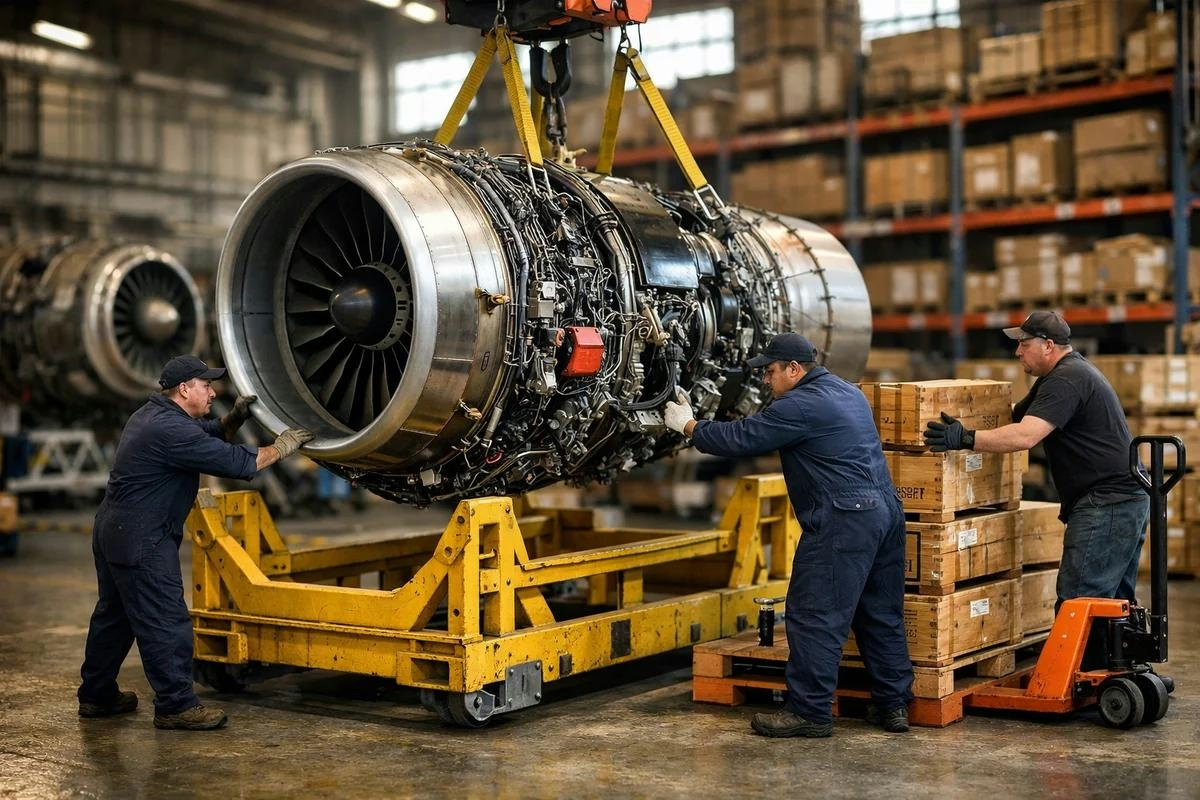
Willis Lease Operates as a Leveraged Spread Business with Moderate Returns

Chinese Team Develops First Flight Control Software for Bamboo Drones
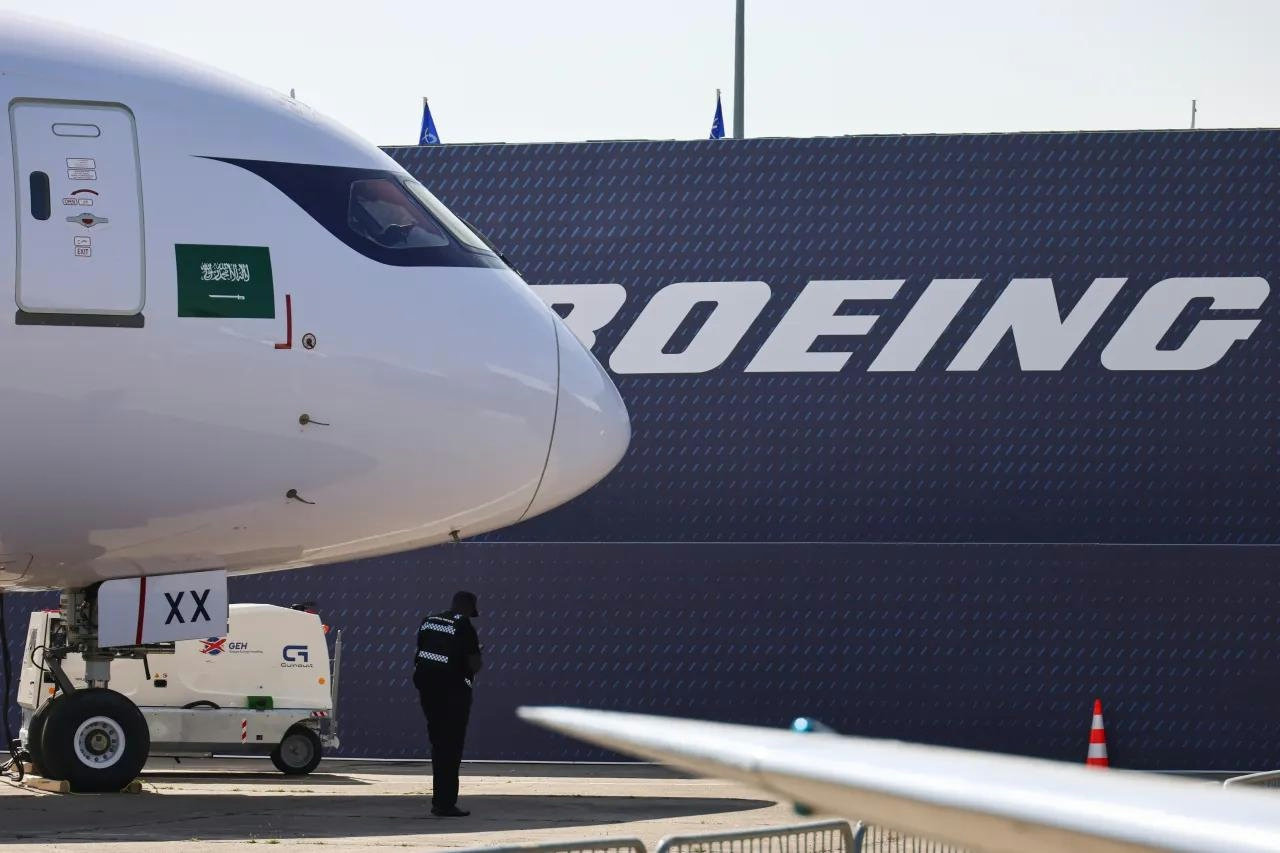
Government Moves Forward with Boeing Purchase, Considers Airbus Leasing
SkyHope Appoints Aviation Industry Leader to Board
The Challenges of Certifying Autonomous Aircraft
KLM to Receive First Airbus A350, Announces Initial Routes
Saxon Air Receives Clean and Green Energy Innovation Award
