
AeroGenie — Ihr intelligenter Copilot.

Trends
Categories
Skylift UAV Conducts First Beyond-Visual-Line-of-Sight Drone Trials in the Solent
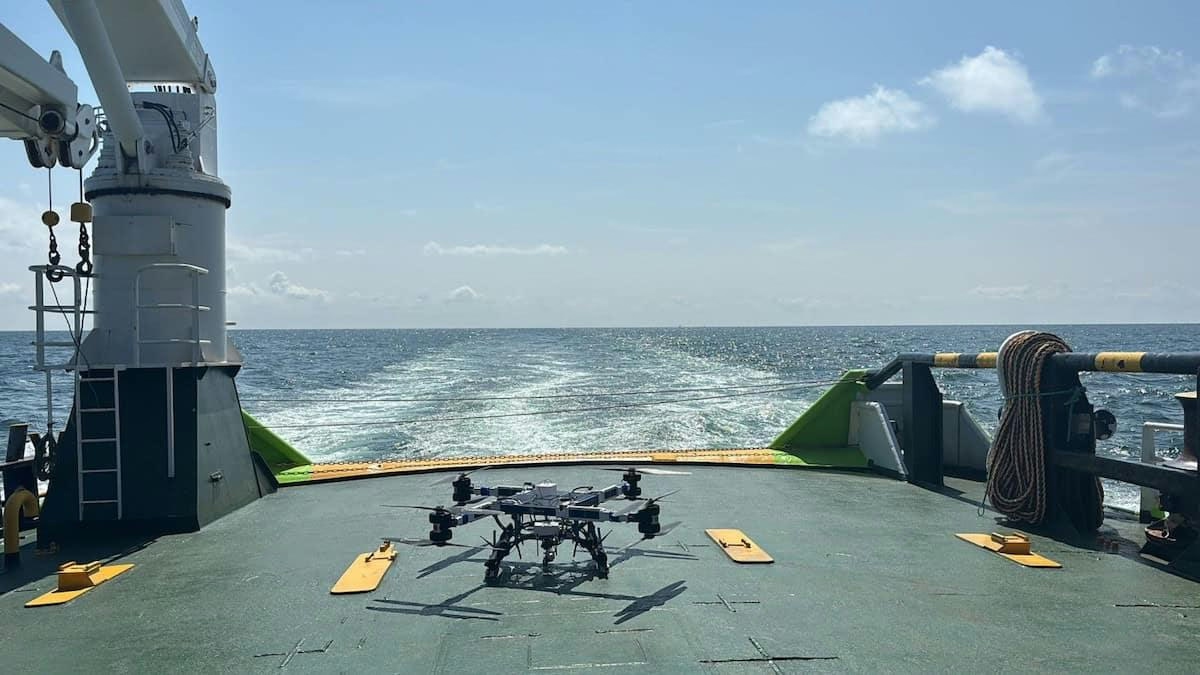
Skylift UAV Completes Pioneering Beyond-Visual-Line-of-Sight Drone Trials in the Solent
Skylift UAV has successfully conducted its inaugural beyond-visual-line-of-sight (BVLOS) drone trials in the Solent, marking a pivotal advancement for unmanned aerial operations within the United Kingdom. These trials, designed to evaluate the safe and effective operation of drones beyond the direct line of sight of their operators, represent a critical step toward broadening the scope of commercial drone applications, including logistics, surveillance, and emergency response.
Overcoming Technical Challenges in Complex Environments
A significant challenge during the BVLOS trials was ensuring reliable real-time video transmission over low-bandwidth communication links. This technical obstacle is being actively addressed by companies such as Videosoft Global, which is developing advanced streaming solutions to maintain consistent communication and control. Such capabilities are essential for BVLOS operations, particularly in complex and busy environments like the Solent waterway, where uninterrupted data flow is crucial for operational safety and effectiveness.
Industry Momentum and Competitive Advances
Skylift UAV’s successful demonstration arrives amid growing industry interest in BVLOS capabilities. The market has responded swiftly, with increased focus on technologies that enhance precision and reliability. For instance, Volatus Aerospace recently incorporated Trimble’s PX-1 RTX technology to improve the accuracy of drone deliveries, highlighting the rising demand for sophisticated navigation and control systems in BVLOS missions.
In parallel, competitors are intensifying their efforts to advance drone performance. Windracers has notably extended its drone range to 2,000 kilometers while doubling payload capacity, signaling a competitive drive toward longer-range and more demanding operations. Meanwhile, XTI Aerospace, having faced setbacks in vertical takeoff and landing (VTOL) aircraft development, has redirected its focus toward drone technology, further heightening competition within the BVLOS sector.
Regulatory Implications and Industry Outlook
Industry experts suggest that as more companies demonstrate successful BVLOS operations, regulatory authorities may be compelled to revise existing guidelines, potentially facilitating wider commercial adoption. The Solent trials not only underscore Skylift UAV’s technical prowess but also exemplify a broader industry shift toward longer-range, more autonomous drone operations.
As the sector continues to evolve, overcoming technical challenges such as reliable video transmission and precise navigation will remain critical differentiators. With competitors rapidly advancing their BVLOS capabilities, Skylift UAV’s achievement in the Solent positions the company prominently within this dynamic and increasingly competitive market.

Plane lands on Pennsylvania highway due to ‘engine issues,’ FAA says
LEVEL Suspends San Francisco Flights Due to Engine Shortage
China Conducts First Flight Test of Megawatt Hydrogen Turboprop Engine
Oklahoma’s Aerospace Industry Expands and Its Impact on the State Economy
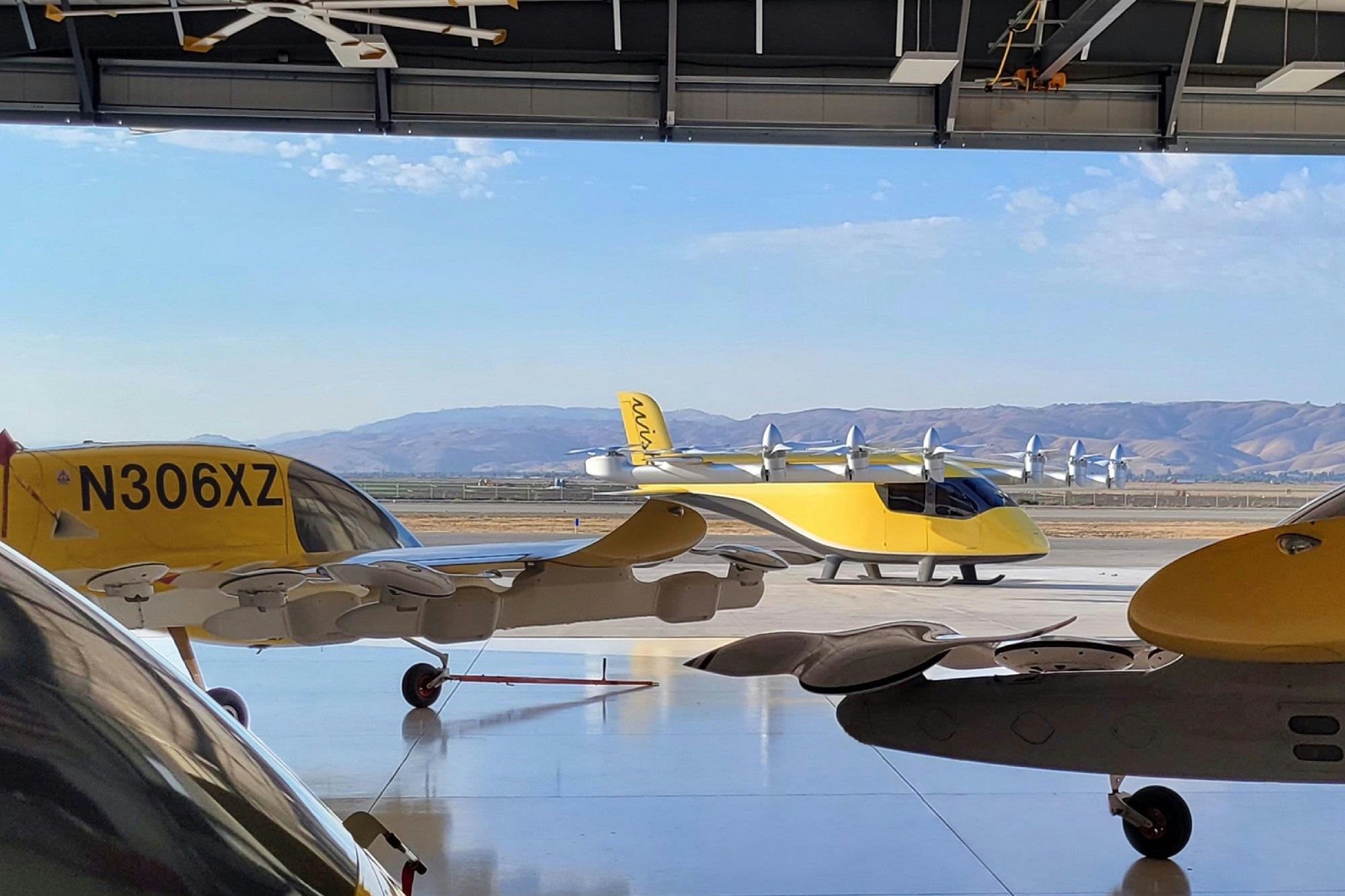
Archer Aviation Confronts Setbacks Amid Declining Air Taxi Interest

FAA and EASA Mandates to Influence Flight Line Testing Equipment Market Through 2035

Willis Lease Operates as a Leveraged Spread Business with Moderate Returns
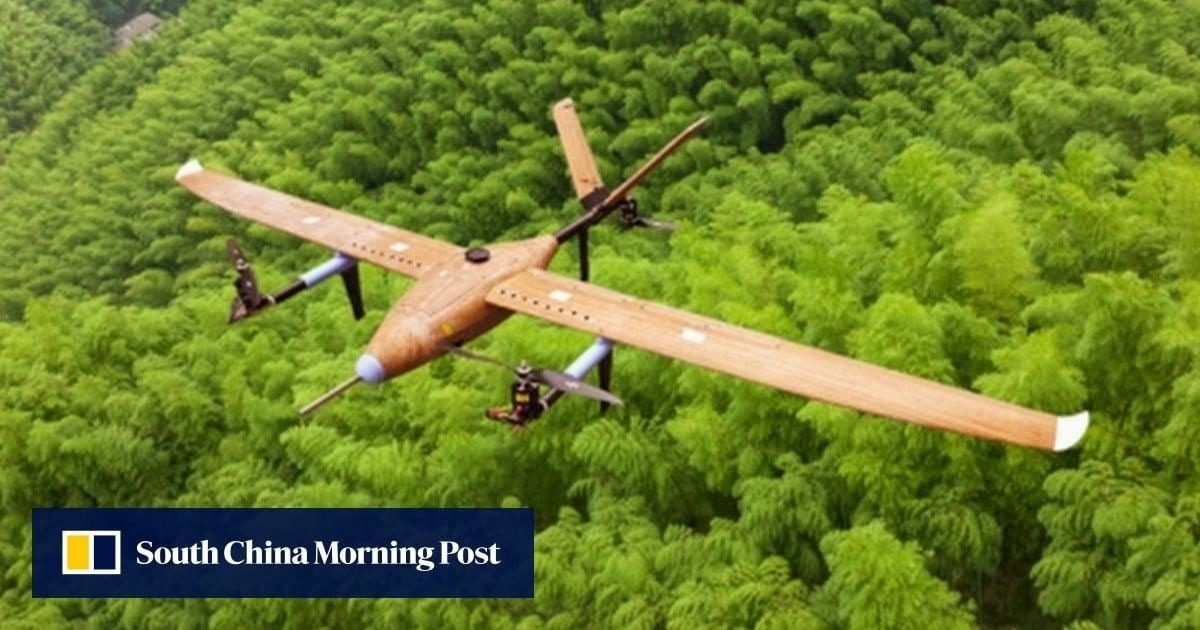
Chinese Team Develops First Flight Control Software for Bamboo Drones
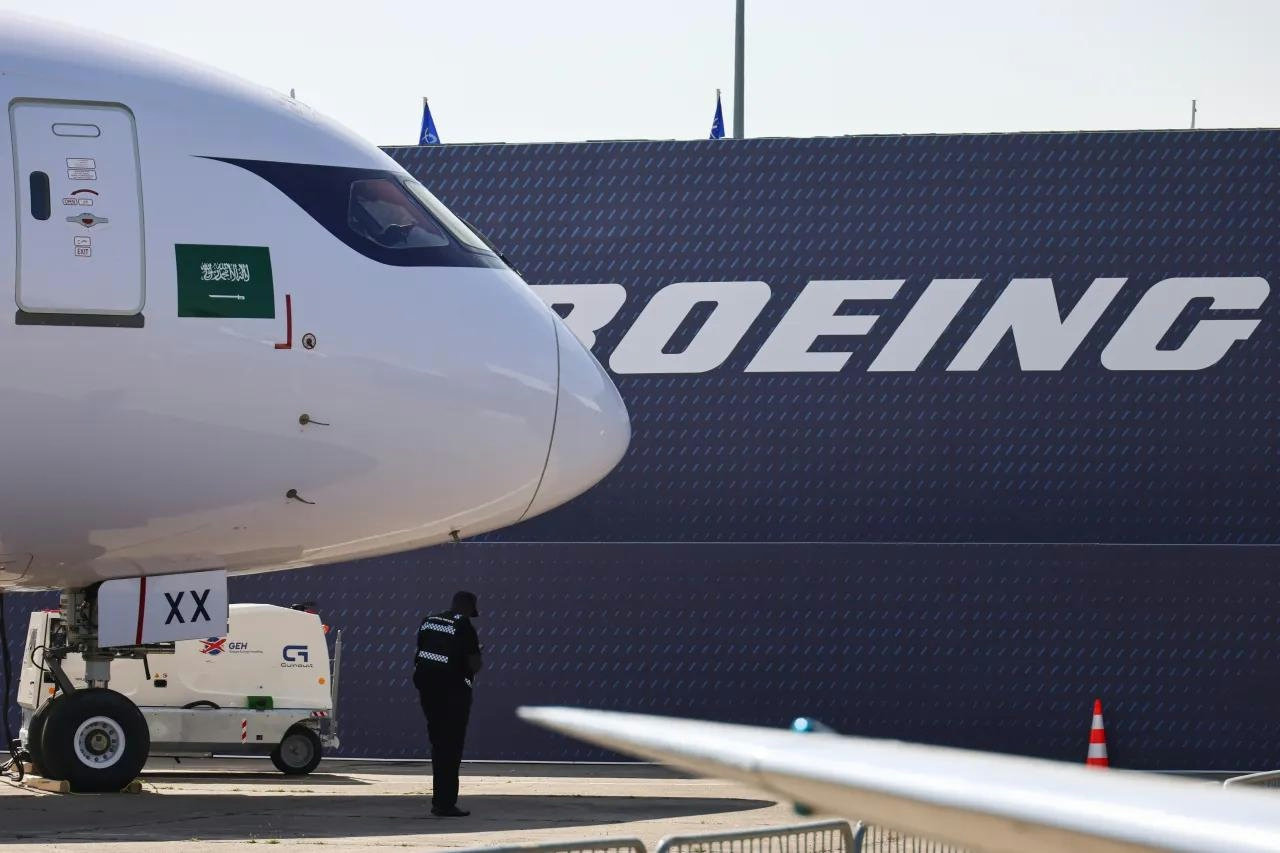
Government Moves Forward with Boeing Purchase, Considers Airbus Leasing

Changes in Airline Industry Leadership, Alliances, and AI
