
AeroGenie — Ihr intelligenter Copilot.

Trends
Categories
Pegasus Airlines Emerges as a Leader in Low-Cost Aviation

Pegasus Airlines Emerges as a Leader in Low-Cost Aviation
Pegasus Airlines is rapidly solidifying its position as a prominent player in the low-cost aviation sector, despite the mounting challenges confronting the industry. The Turkish carrier’s expansion occurs against a backdrop of global turbulence for budget airlines, characterized by weak domestic demand and market oversupply. These factors have recently posed significant difficulties for U.S.-based ultra-low-cost carriers such as Spirit and Frontier.
Navigating a Challenging Market Environment
The competitive landscape for low-cost carriers is undergoing significant shifts. In Europe, Ryanair’s recent decision to reduce its operations in Spain follows a 6.5% increase in fees imposed by the airport operator Aena, underscoring the growing impact of rising infrastructure costs on airline profitability. Concurrently, Condor’s ongoing legal dispute with Lufthansa highlights the intense pressures smaller carriers face when competing against larger, more established airlines.
For Pegasus Airlines, these developments underscore the necessity of strategic agility. The carrier must navigate a complex pricing environment alongside potential regulatory challenges, both of which could influence its ability to sustain leadership within the sector.
Industry Dynamics and Competitive Pressures
The low-cost aviation market is marked by narrow profit margins and intense competition. Oversupply in certain regions has triggered price wars, while fluctuating demand continues to test the resilience of airlines. Pegasus Airlines’ rise as a market leader is significant; however, maintaining this position will require deft management of these persistent industry headwinds.
Increasing operational costs, including airport fees and regulatory expenses, are compelling airlines to reevaluate their strategic approaches. Ryanair’s operational retrenchment and Condor’s legal challenges serve as clear indicators of the broader difficulties confronting the sector. Pegasus must remain vigilant and adaptable, continuously refining its business model in response to evolving market conditions and regulatory frameworks.
Outlook for Pegasus Airlines
Despite these obstacles, Pegasus Airlines has demonstrated notable capacity for growth and innovation within the low-cost segment. Its ability to respond effectively to shifting market dynamics will be critical as the airline industry continues to evolve. The experiences of competitors in both the United States and Europe offer cautionary insights, emphasizing the importance of strategic flexibility and operational efficiency.
As Pegasus Airlines advances, its continued leadership in low-cost aviation will hinge on its response to industry pressures, regulatory developments, and the ongoing challenge of balancing affordability with profitability. The coming years will test the resilience of all players in the sector, but Pegasus’ current trajectory positions it as a key airline to watch.

LEVEL Suspends San Francisco Flights Due to Engine Shortage

China Conducts First Flight Test of Megawatt Hydrogen Turboprop Engine

Oklahoma’s Aerospace Industry Expands and Its Impact on the State Economy

Archer Aviation Confronts Setbacks Amid Declining Air Taxi Interest

FAA and EASA Mandates to Influence Flight Line Testing Equipment Market Through 2035

Willis Lease Operates as a Leveraged Spread Business with Moderate Returns

Chinese Team Develops First Flight Control Software for Bamboo Drones
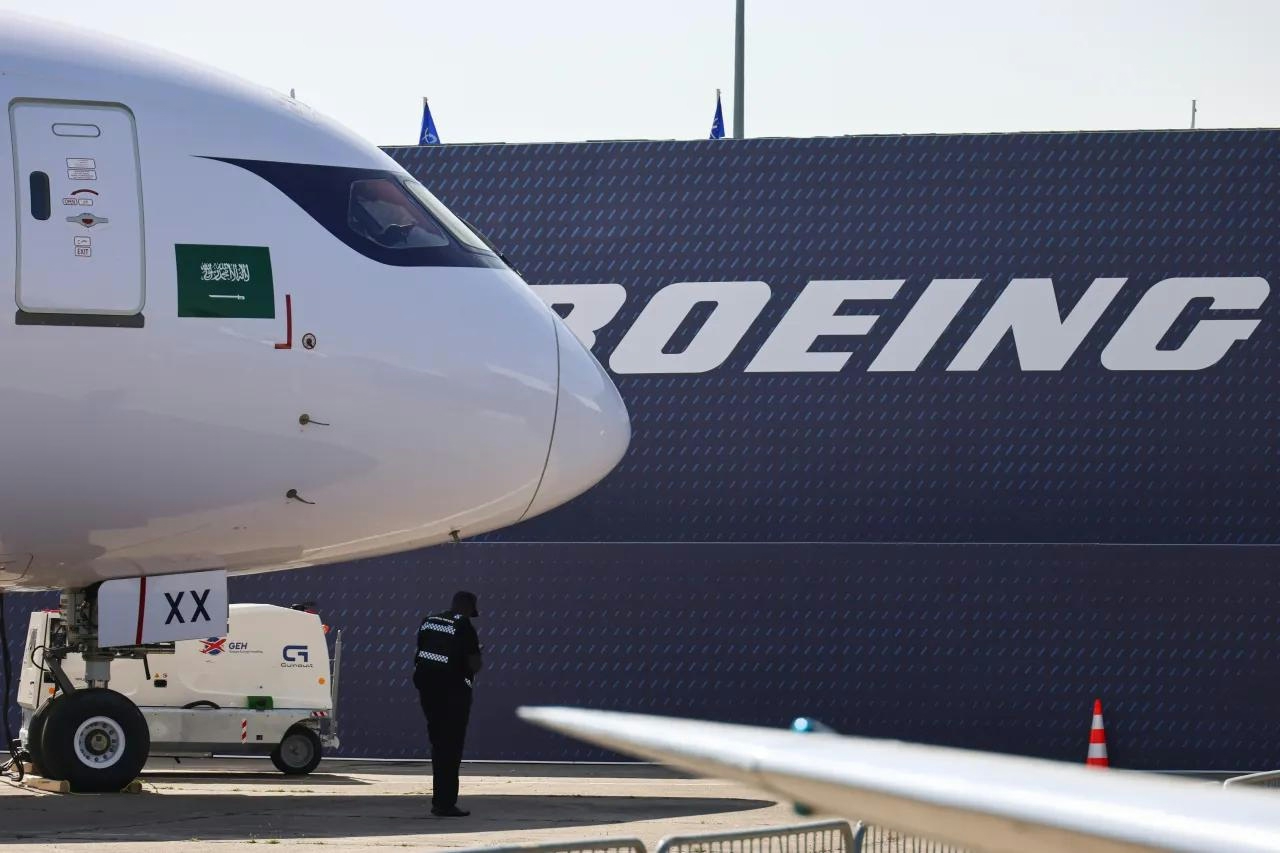
Government Moves Forward with Boeing Purchase, Considers Airbus Leasing

SkyHope Appoints Aviation Industry Leader to Board
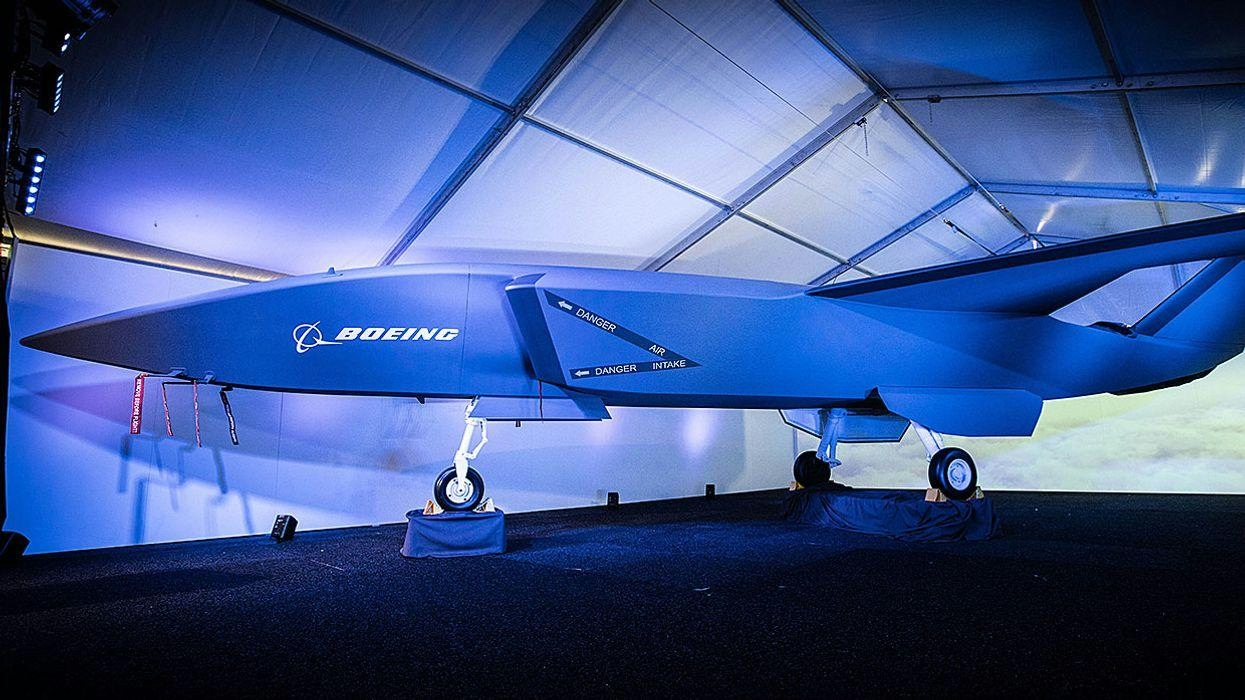
The Challenges of Certifying Autonomous Aircraft
