
AeroGenie — Ihr intelligenter Copilot.

Trends
Categories
IATA Highlights Potential and Risks of AI in Airline Operations
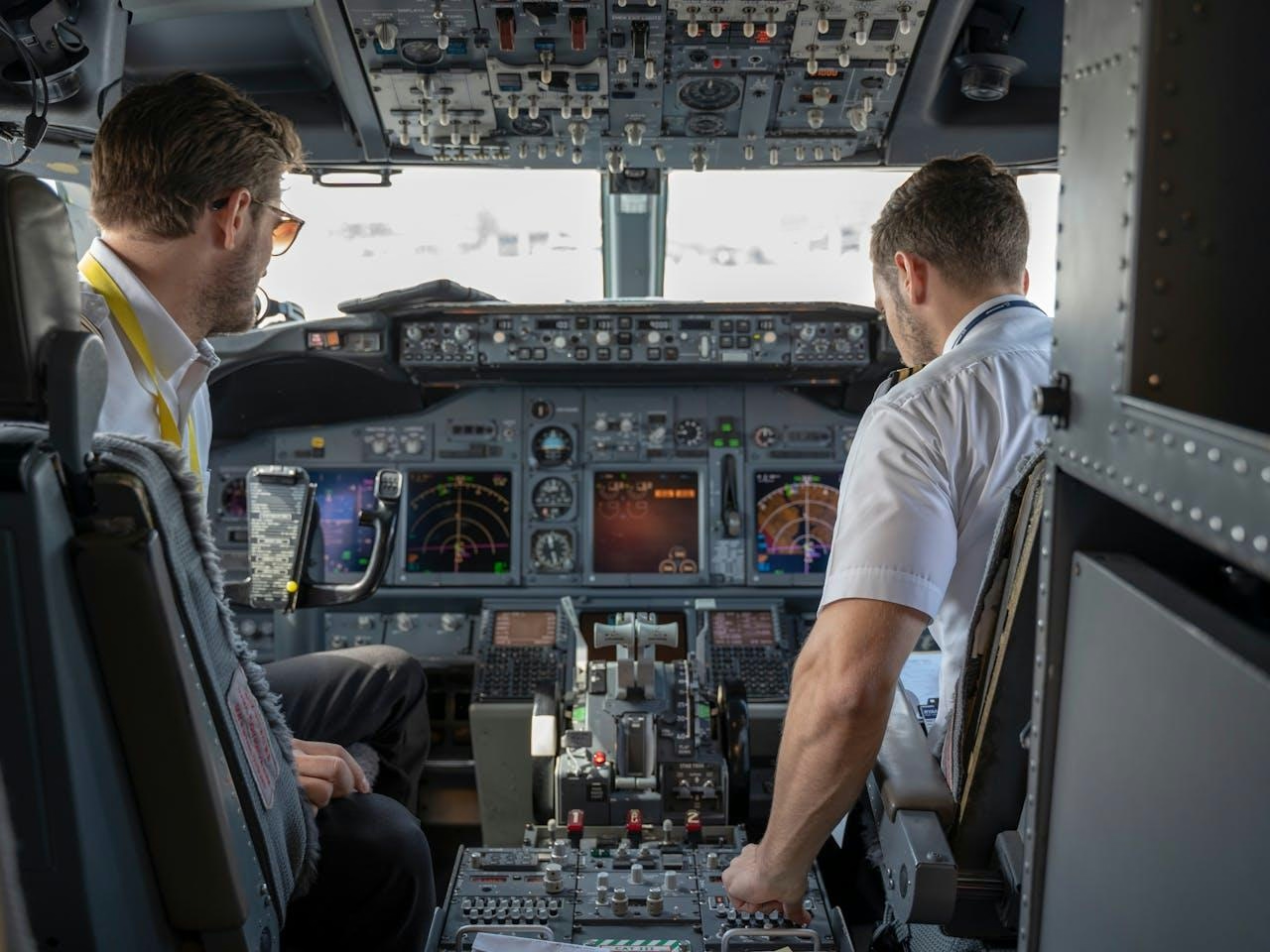
IATA Highlights Potential and Risks of AI in Airline Operations
AI’s Transformative Role in Aviation
Artificial intelligence (AI) is set to revolutionize airline operations, presenting both significant opportunities and considerable risks, according to Willie Walsh, Director General of the International Air Transport Association (IATA). Speaking from Tashkent, Uzbekistan, Walsh underscored the broadly positive impact AI is anticipated to have across the aviation sector, particularly in revenue management, operational efficiency, and passenger experience. He emphasized that AI’s influence on managing all aspects of an airline’s operations remains under discussion, but expressed confidence that the overall effect will be beneficial for the industry.
Walsh highlighted that airlines are currently at different stages of AI adoption, with some already leveraging the technology as a critical competitive advantage. He projected that by 2026, the precise areas where AI will exert the most influence will become clearer. Key domains for AI integration include improving passenger services, streamlining operational processes, and enhancing collaboration with airports and aviation service providers. These advancements, Walsh noted, are expected to increase efficiency for all stakeholders involved in the aviation ecosystem.
Challenges and Industry Response
Despite the promising outlook, IATA has drawn attention to several challenges associated with AI implementation in airline operations. Among the primary concerns are potential breaches of data privacy, the risk of algorithmic bias, and the growing dependence on major technology providers for AI solutions. These issues have led airlines and industry participants to adopt a cautious yet optimistic approach toward AI adoption.
The market has responded with heightened investment in AI technologies, as companies seek to harness AI-driven solutions to improve efficiency. At the same time, there is a concerted effort to address ethical and regulatory considerations, particularly regarding transparency and fairness in automated decision-making processes. This dual focus reflects the industry’s recognition of the need to balance innovation with responsibility.
IATA’s emphasis on both the promise and pitfalls of AI highlights the importance of regulatory oversight. The association advocates for frameworks that ensure AI adoption enhances operational efficiency and passenger experience without compromising data security or ethical standards.
As the aviation sector continues to explore AI’s full potential, the coming years are expected to clarify its role in shaping the future of airline operations, with a vigilant focus on managing both opportunities and risks.

Plane lands on Pennsylvania highway due to ‘engine issues,’ FAA says
LEVEL Suspends San Francisco Flights Due to Engine Shortage
China Conducts First Flight Test of Megawatt Hydrogen Turboprop Engine

Oklahoma’s Aerospace Industry Expands and Its Impact on the State Economy
Archer Aviation Confronts Setbacks Amid Declining Air Taxi Interest
FAA and EASA Mandates to Influence Flight Line Testing Equipment Market Through 2035
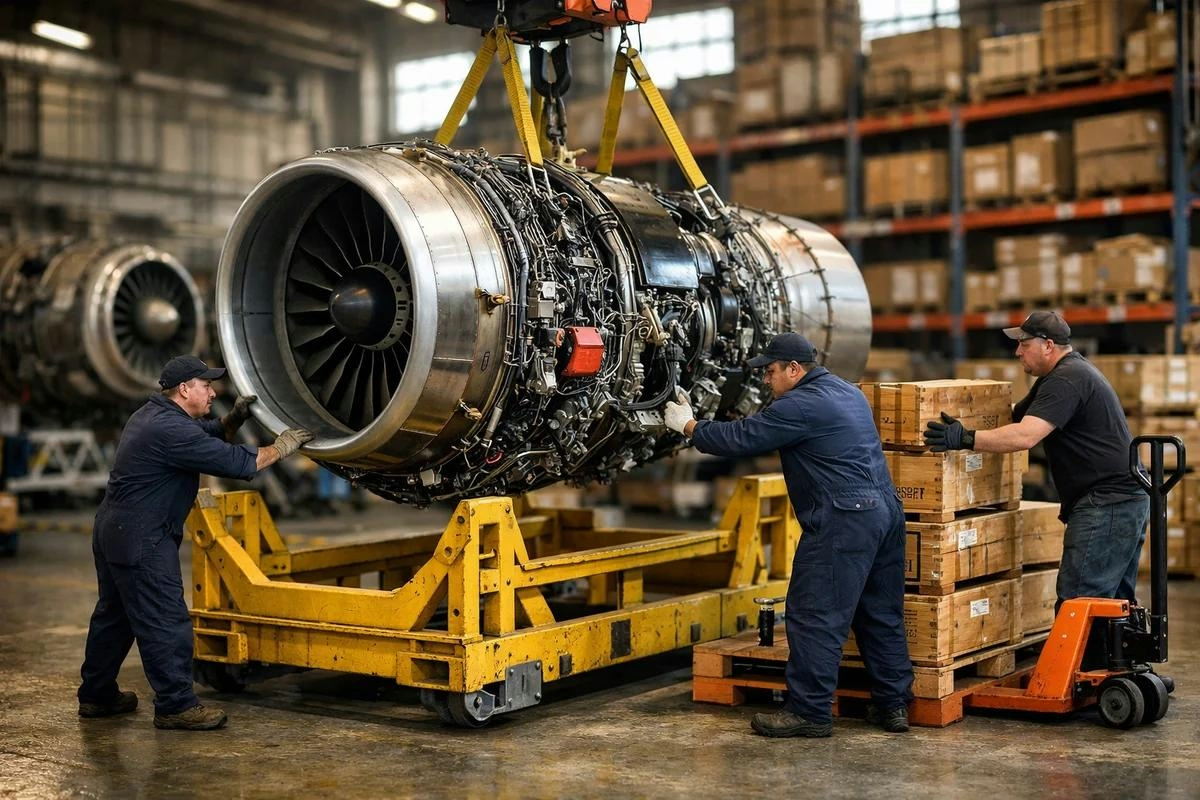
Willis Lease Operates as a Leveraged Spread Business with Moderate Returns
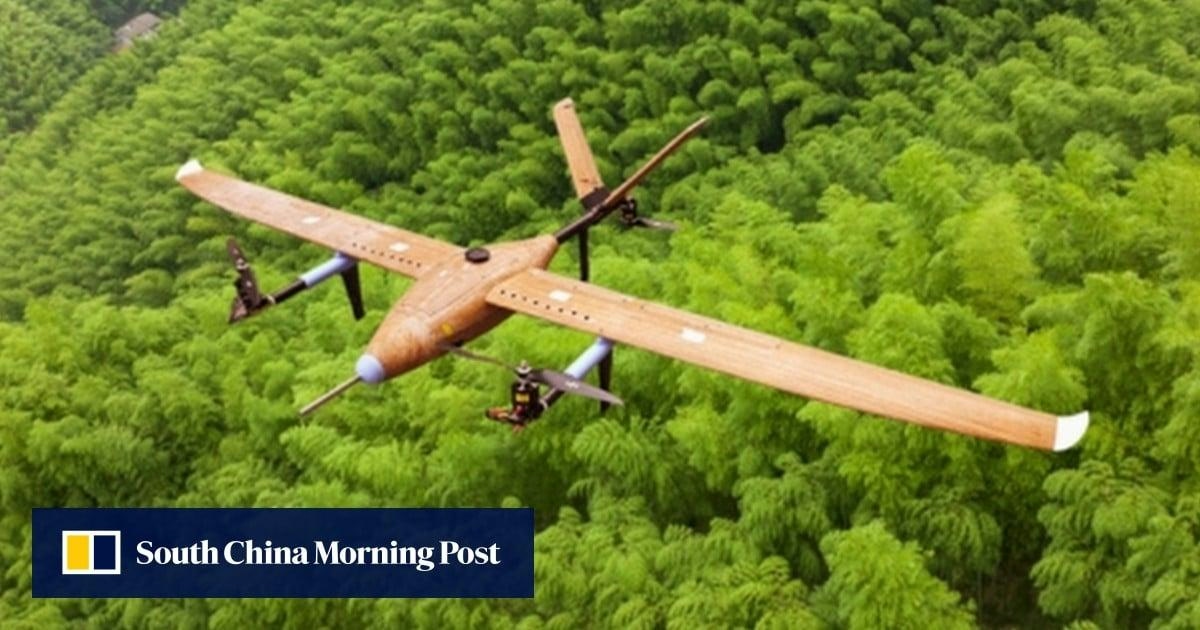
Chinese Team Develops First Flight Control Software for Bamboo Drones
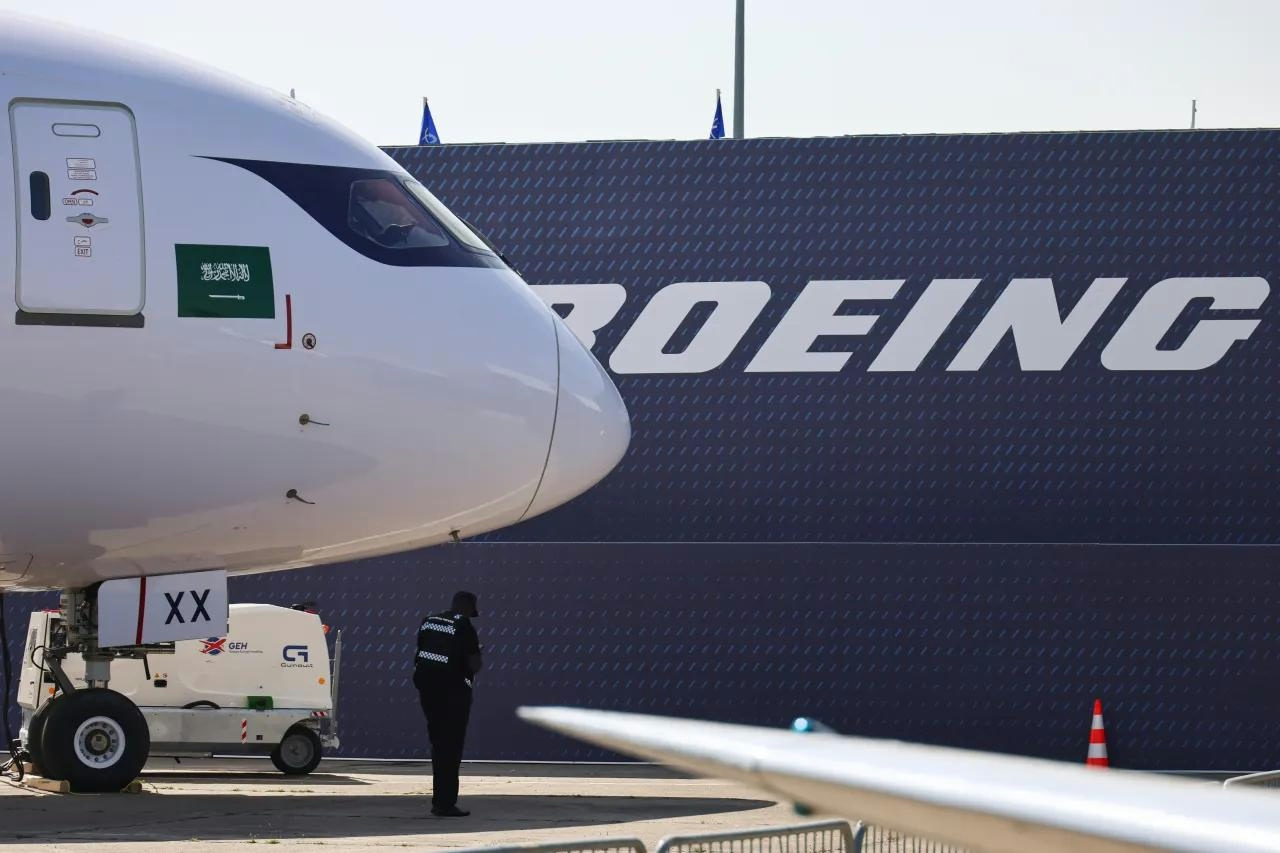
Government Moves Forward with Boeing Purchase, Considers Airbus Leasing

Changes in Airline Industry Leadership, Alliances, and AI
