
AeroGenie — Ihr intelligenter Copilot.

Trends
Categories
Garmin Introduces New Devices to Advance Motorsports and Aviation
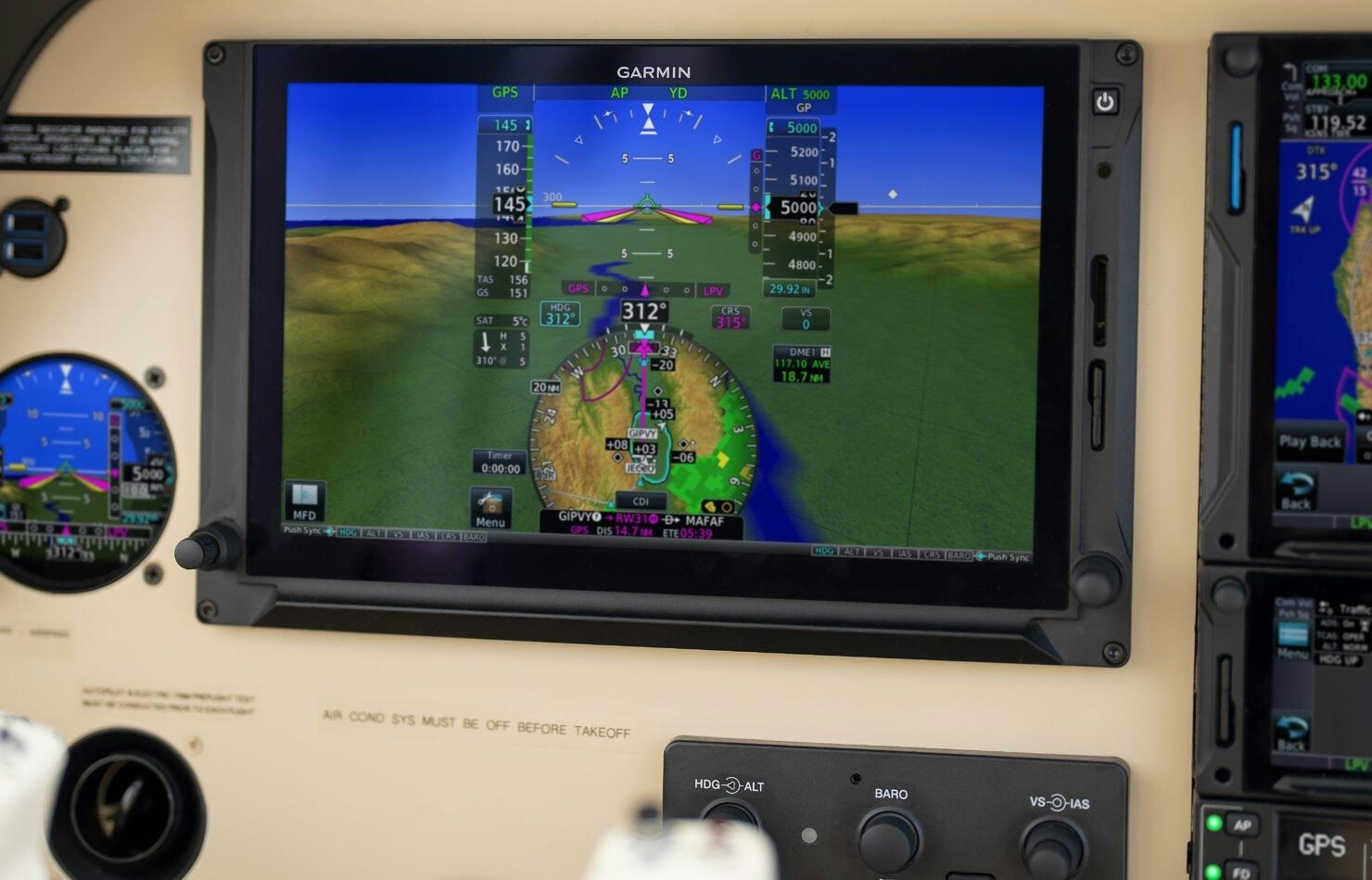
Garmin Advances Motorsports and Aviation with New Devices and Facility Expansion
Garmin (NYSE: GRMN) has unveiled two new products aimed at enhancing its presence in the motorsports and motorcycling markets, alongside a significant expansion of its aviation operations. The company introduced the Catalyst 2, a motorsports performance optimizer, and the zūmo XT3 GPS device tailored for motorcyclists. Concurrently, Garmin has acquired a substantial facility at Mesa Gateway Airport, signaling a strategic commitment to growing its aviation segment.
Innovations in Motorsports and Motorcycling
The launch of the Catalyst 2 and zūmo XT3 responds to increasing demand among motorsports and motorcycling enthusiasts for sophisticated, data-driven equipment. Both devices offer advanced performance metrics and coaching features, supported by subscription-based services such as the Garmin Performance Package and Catalyst Vault storage. These offerings represent a shift toward recurring revenue models, emphasizing software and data services that extend beyond traditional hardware sales. By deepening customer engagement through these premium, use-case-specific products, Garmin aims to solidify its foothold in these specialized markets.
Expansion and Competition in Aviation
Garmin’s acquisition of the new facility at Mesa Gateway Airport is designed to enhance its flight test capacity and aircraft certification capabilities. This expansion is a strategic move to strengthen the company’s aviation business amid intense competition from established players like Honeywell and Avidyne, who continue to dominate the aviation technology sector. The increased infrastructure will enable Garmin to respond more effectively to market demands and accelerate product development.
In addition to hardware advancements, Garmin has partnered with Brazos Safety Systems to introduce aviation safety analytics, broadening its portfolio beyond traditional wearables and fitness devices. This collaboration aims to integrate enhanced data and software capabilities into Garmin’s aviation offerings. However, the partnership’s success will largely depend on adoption rates among aviation operators and regulatory bodies, which may progress slowly.
Challenges and Strategic Considerations
While these initiatives position Garmin for growth in high-value, performance-oriented segments, they also introduce potential risks. Increased investment in facilities and product development could pressure operating margins if revenue growth does not keep pace. The company faces formidable competition not only from aviation technology incumbents but also from consumer electronics firms such as TomTom, Apple, and Samsung, which may constrain pricing power and market share expansion. Additionally, skepticism from pilots and aviation professionals regarding the integration and effectiveness of Garmin’s new products could affect market reception.
Garmin’s recent moves underscore a deliberate strategy to enhance its specialist hardware and data-driven service offerings. By expanding its aviation infrastructure and introducing advanced motorsports and motorcycling devices, the company seeks to diversify revenue streams and maintain competitiveness in a rapidly evolving landscape.

Plane lands on Pennsylvania highway due to ‘engine issues,’ FAA says

LEVEL Suspends San Francisco Flights Due to Engine Shortage
China Conducts First Flight Test of Megawatt Hydrogen Turboprop Engine

Oklahoma’s Aerospace Industry Expands and Its Impact on the State Economy

Archer Aviation Confronts Setbacks Amid Declining Air Taxi Interest

FAA and EASA Mandates to Influence Flight Line Testing Equipment Market Through 2035
Willis Lease Operates as a Leveraged Spread Business with Moderate Returns

Chinese Team Develops First Flight Control Software for Bamboo Drones
Government Moves Forward with Boeing Purchase, Considers Airbus Leasing

Changes in Airline Industry Leadership, Alliances, and AI
