
AeroGenie — Ihr intelligenter Copilot.

Trends
Categories
El Al VP Attributes Decline in Israeli Aviation Industry to Supply and Demand Imbalance
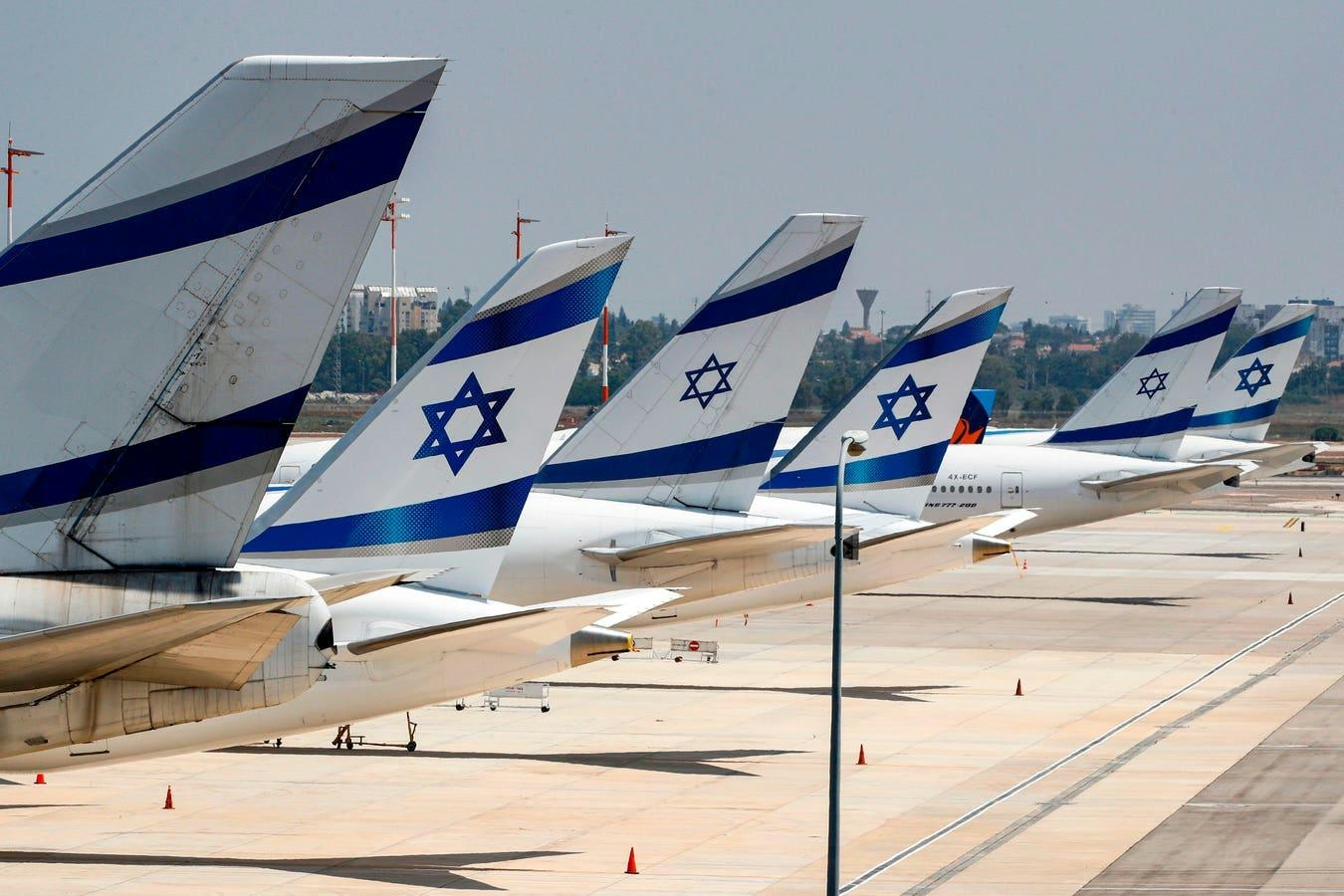
El Al Vice President Highlights Supply and Demand Imbalance as Key Factor in Israeli Aviation Decline
Nadav Hanin, Vice President of El Al, has identified a persistent imbalance between supply and demand as the primary cause behind the ongoing challenges facing Israel’s aviation industry. Hanin emphasized that a global shortage in the supply chain—specifically involving aircraft and engines—is significantly constraining airlines’ operational capacities. This shortage is not unique to Israel but reflects broader international difficulties that continue to impact the sector.
Operational Challenges Amid Shifting Market Dynamics
The scarcity of essential components has created substantial operational hurdles for Israeli carriers. Although demand for El Al flights remains robust, Hanin acknowledged that the intensity of this demand has softened compared to the previous year. Additionally, the gradual re-entry of foreign airlines into the Israeli market, albeit at modest levels, is beginning to exert pressure on El Al’s profit margins. This resurgence of international competitors is reshaping the competitive landscape and challenging El Al’s market position.
Responses from the global aviation market have varied. Some major carriers, such as British Airways, have faced negative market reactions driven by softer yields and reduced passenger loads. Conversely, other airlines are cautiously expanding their operations; Norwegian Air’s resumption of routes to Tel Aviv exemplifies a tentative but positive step toward restoring international connectivity. Budget carriers are also adjusting their strategies in response to the evolving environment. Wizz Air, for instance, has modified its fleet commitments and delivery schedules to navigate ongoing supply chain disruptions and fluctuating demand patterns.
Despite these challenges, El Al continues to experience strong passenger interest. However, the airline must contend with increasing competition as foreign carriers gradually increase their presence. The future of the Israeli aviation sector remains uncertain, with supply chain constraints and shifting market dynamics continuing to influence the pace and nature of its recovery.

Archer Aviation Confronts Setbacks Amid Declining Air Taxi Interest

Chinese Team Develops First Flight Control Software for Bamboo Drones
Government Moves Forward with Boeing Purchase, Considers Airbus Leasing
SkyHope Appoints Aviation Industry Leader to Board
The Challenges of Certifying Autonomous Aircraft

KLM to Receive First Airbus A350, Announces Initial Routes

Saxon Air Receives Clean and Green Energy Innovation Award

How BEB Tax Policies Impact Airlines’ International Leasing Contracts

Indonesia’s Danantara and Mandiri Partner with SMBC to Launch $800 Million Aviation Leasing Fund
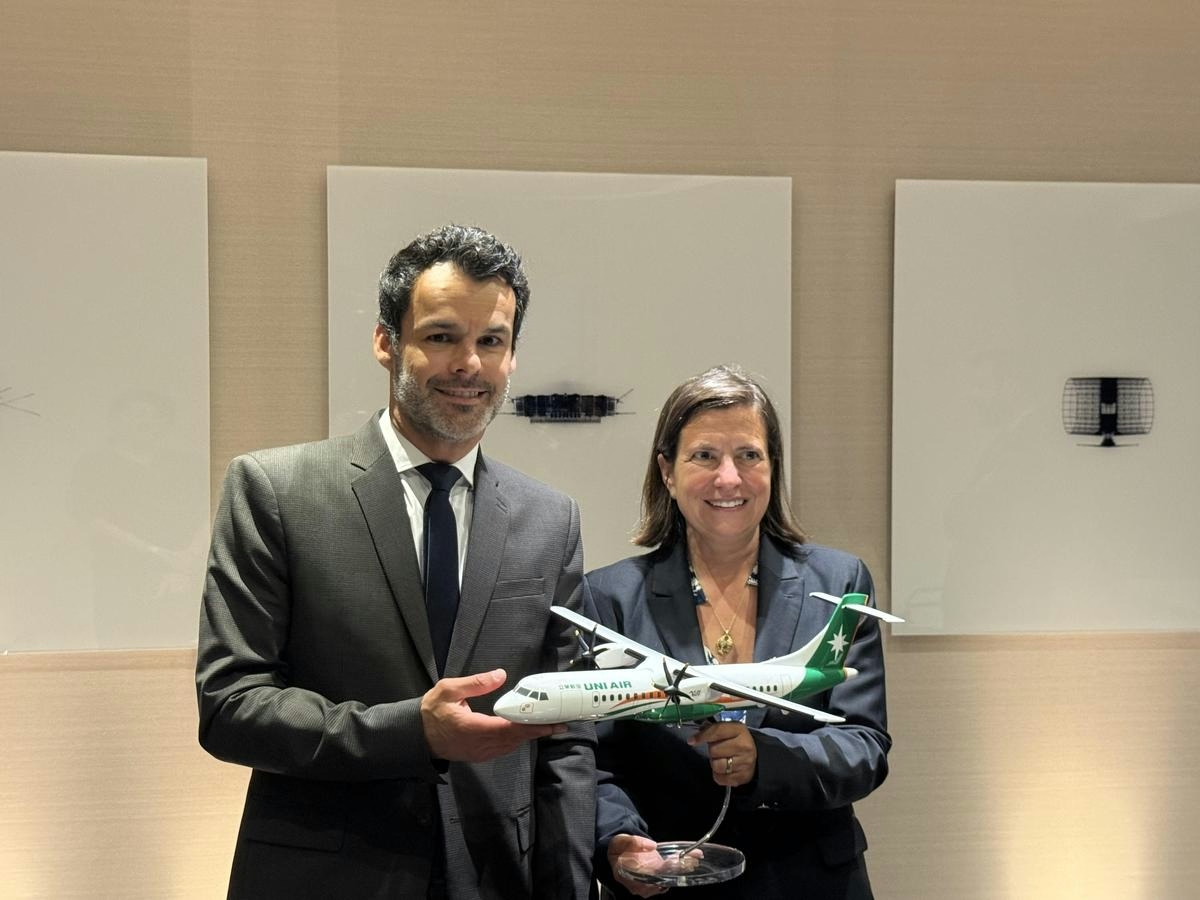
South Korea’s SUM Air Places Order for New ATR Aircraft
