
AeroGenie — Ihr intelligenter Copilot.

Trends
Categories
Airline Industry Challenges in 2025: Layoffs, Mergers, and AI Pricing
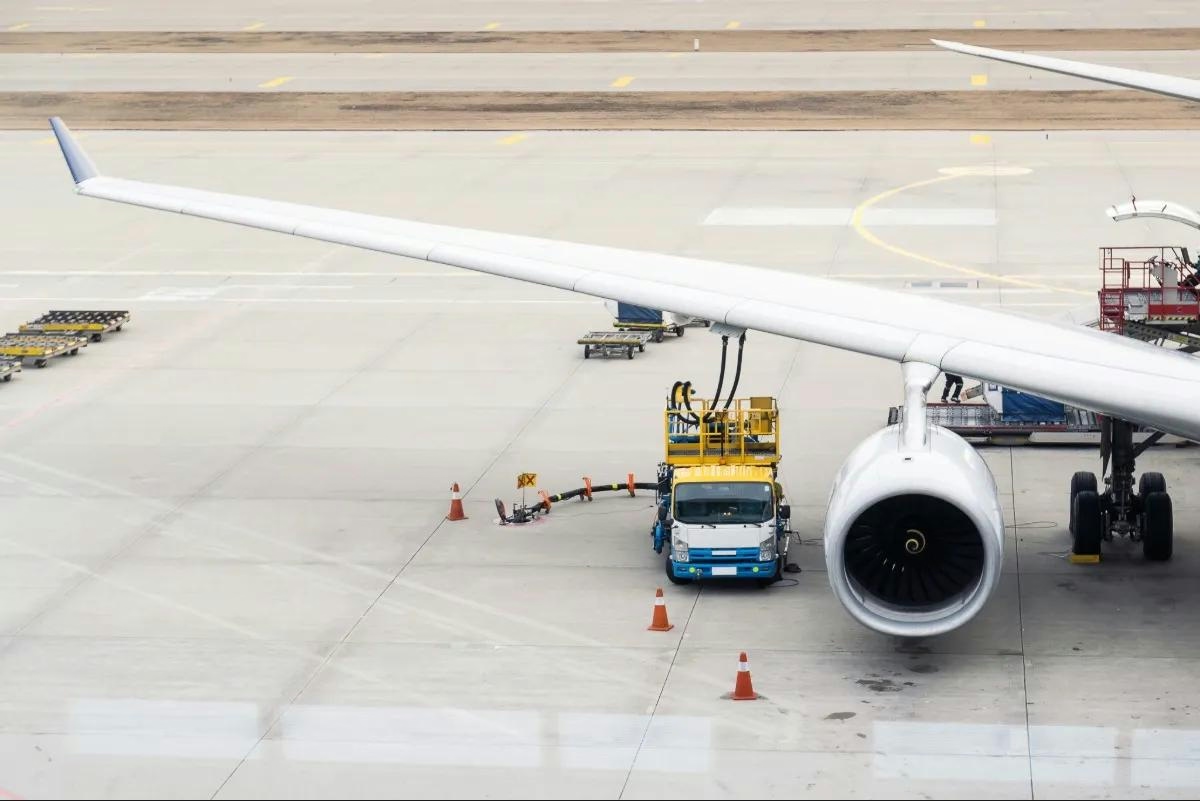
Airline Industry Challenges in 2025: Layoffs, Mergers, and AI Pricing
A Year of Dramatic Change and Economic Pressure
The U.S. airline industry experienced significant upheaval in 2025, characterized by historic layoffs, a major bankruptcy filing, and increasing scrutiny over the use of artificial intelligence in ticket pricing. For the first time, a prominent carrier implemented mass layoffs, signaling a departure from the industry’s traditional reputation as a stable source of employment. Concurrently, another airline’s bankruptcy highlighted the mounting financial pressures confronting carriers amid ongoing economic uncertainty.
Congressional hearings intensified focus on the sector, with lawmakers demanding transparency from a legacy airline regarding its AI-driven pricing algorithms, particularly how they determine fares for less-desirable middle seats. The adoption of AI in pricing strategies has ignited debate over fairness and transparency, as both consumers and regulators question whether these technologies exacerbate disparities between premium and budget travelers.
Emerging Trends and Global Industry Outlook
Globally, the divide between classes of air travel has become increasingly pronounced. Airlines report sustained demand for premium cabins, with affluent travelers maintaining robust flight activity. This trend is expected to strengthen in 2026, underscoring a growing polarization in air travel experiences. Meanwhile, low-cost carriers face intensifying challenges, as economic headwinds threaten their profitability and passenger volumes.
Despite these disruptions, the trillion-dollar global airline industry is projected to achieve record profits in 2026, driven largely by European carriers benefiting from strong demand and operational efficiencies. However, this optimism is tempered by concerns over a cooling labor market, as AI-driven automation contributes to job displacement and potential layoffs not only in the U.S. but across the global industry.
Leadership and Industry Dynamics
Ryanair CEO Michael O’Leary remained a prominent figure in 2025, known for his outspoken commentary that highlights the ongoing tensions between aggressive cost-cutting measures and the imperative to maintain service quality in a rapidly evolving market. His remarks reflect broader industry challenges as airlines strive to balance technological innovation and consolidation with the social and economic consequences of automation and shifting market dynamics.
As the airline industry navigates these complex challenges, it faces a delicate balancing act: leveraging technology and mergers to enhance profitability while addressing the broader impacts of automation and economic shifts. With the prospect of further economic weakening, particularly for budget carriers, the coming year will test the resilience and adaptability of airlines worldwide.
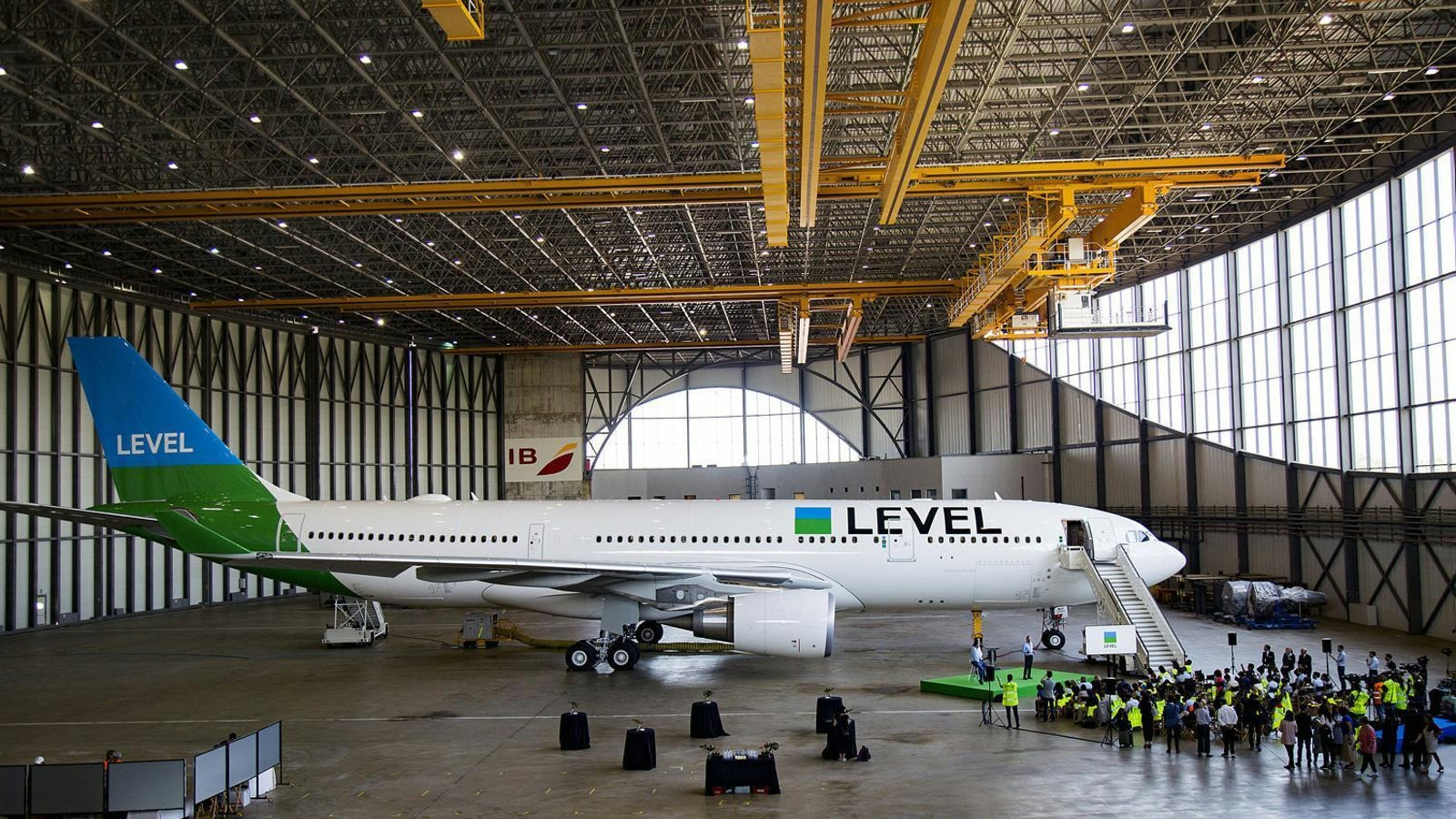
LEVEL Suspends San Francisco Flights Due to Engine Shortage
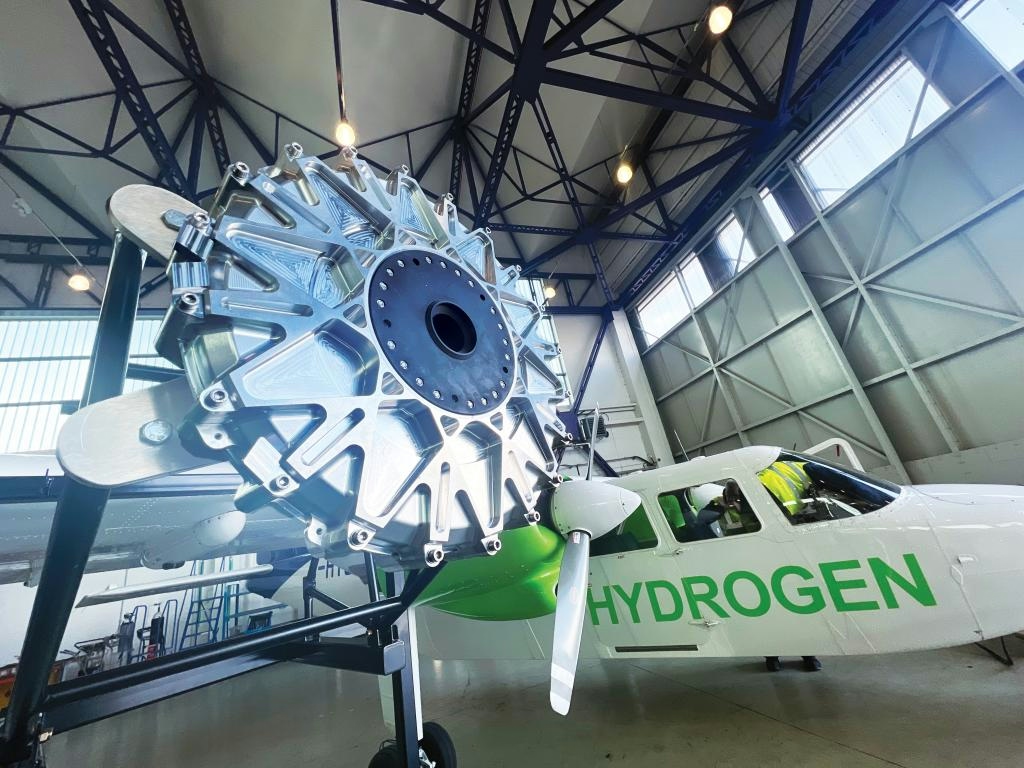
China Conducts First Flight Test of Megawatt Hydrogen Turboprop Engine

Oklahoma’s Aerospace Industry Expands and Its Impact on the State Economy
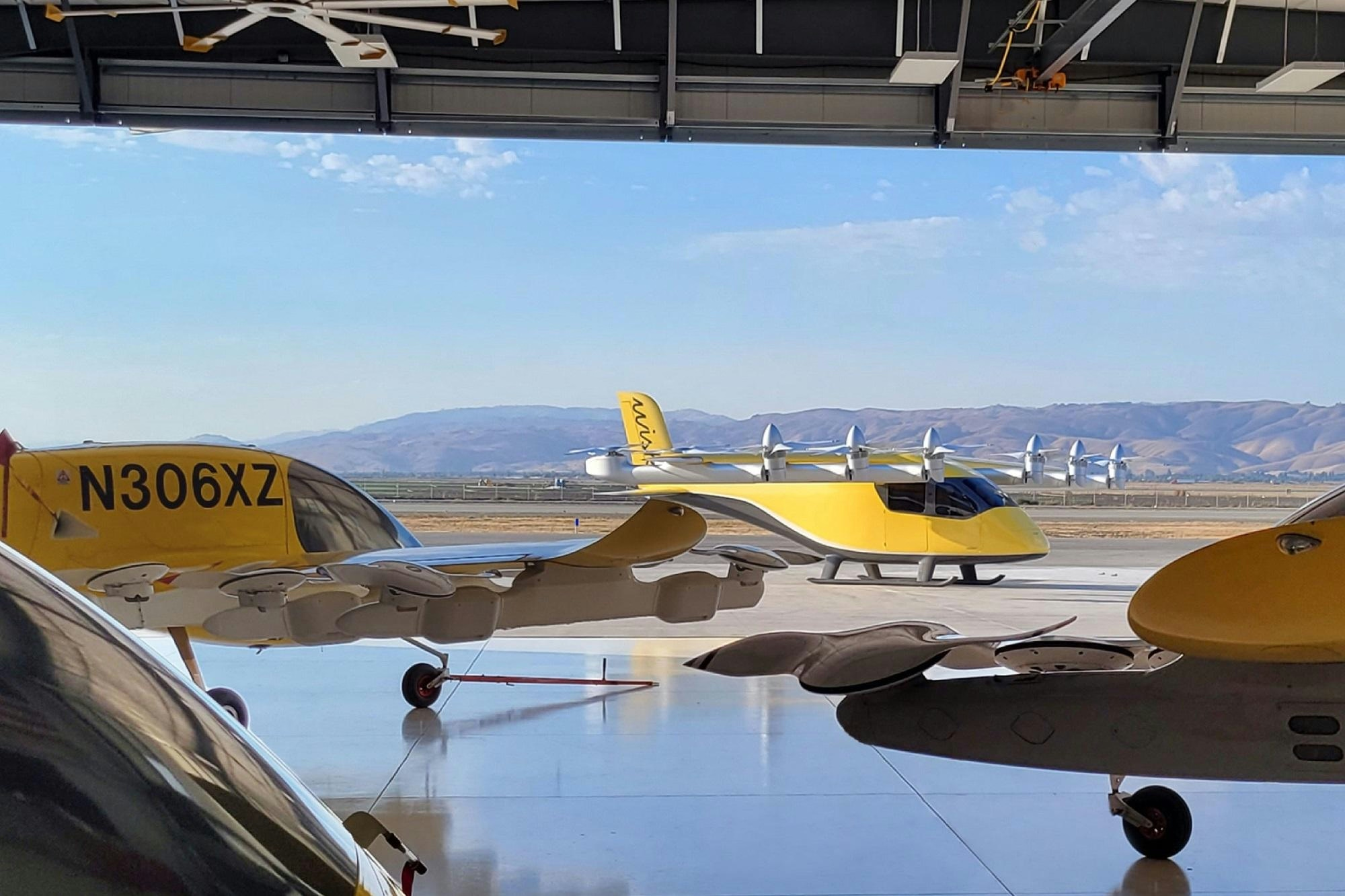
Archer Aviation Confronts Setbacks Amid Declining Air Taxi Interest
FAA and EASA Mandates to Influence Flight Line Testing Equipment Market Through 2035
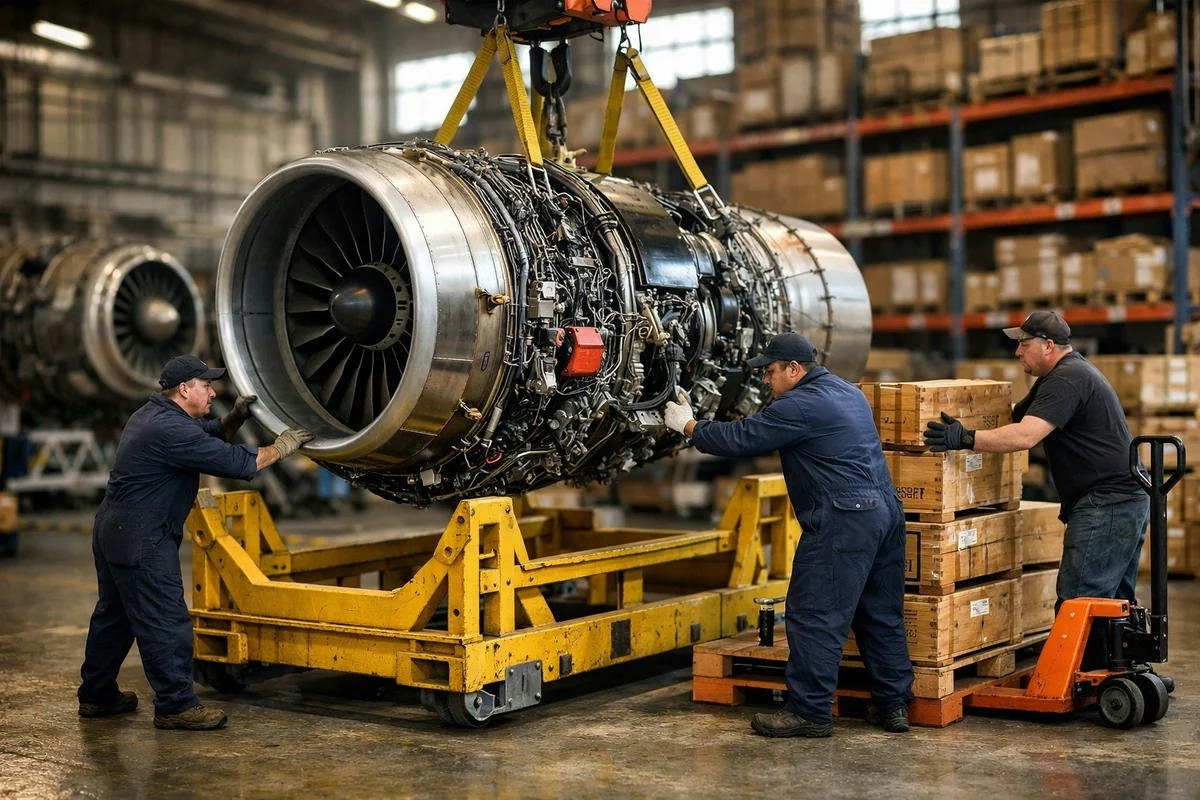
Willis Lease Operates as a Leveraged Spread Business with Moderate Returns

Chinese Team Develops First Flight Control Software for Bamboo Drones
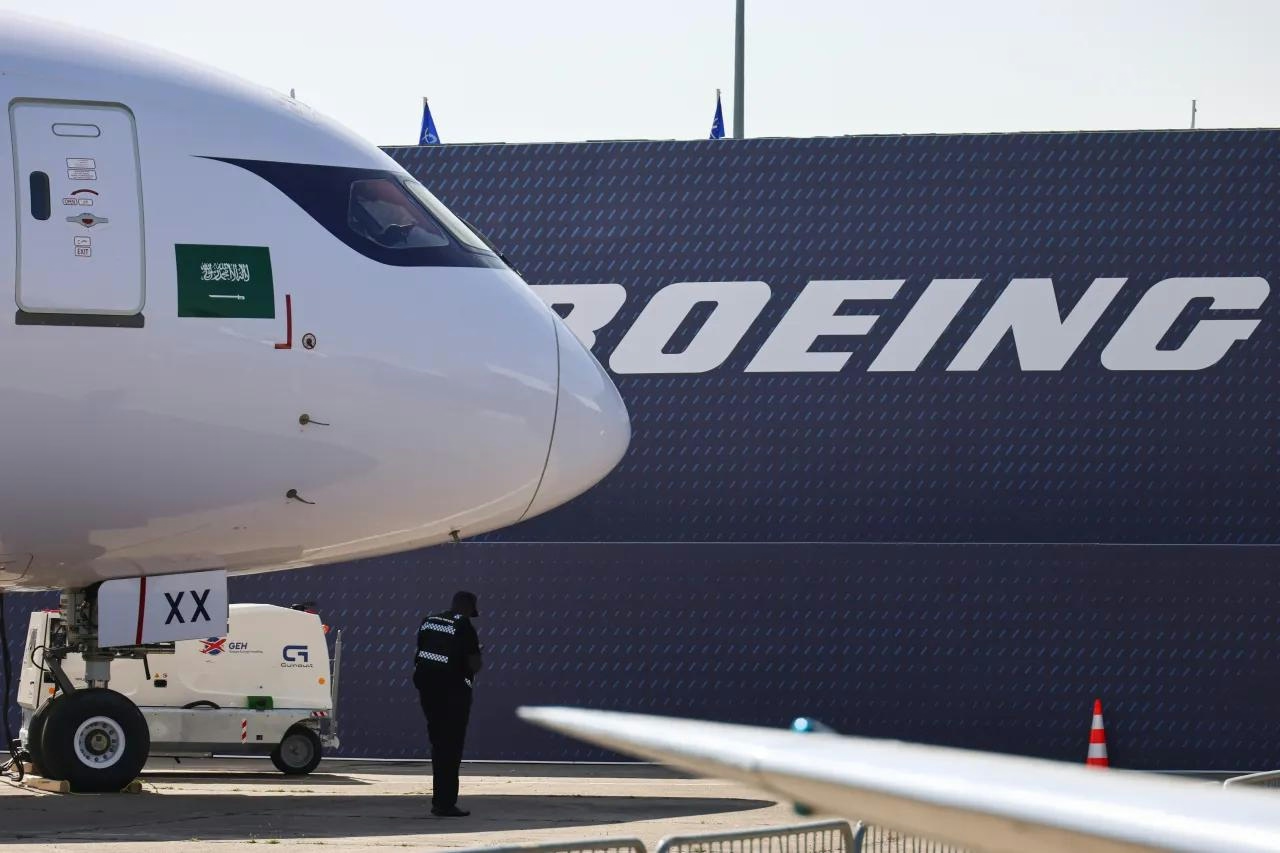
Government Moves Forward with Boeing Purchase, Considers Airbus Leasing
SkyHope Appoints Aviation Industry Leader to Board
The Challenges of Certifying Autonomous Aircraft
