
AeroGenie — Ihr intelligenter Copilot.

Trends
Categories
Aircraft Lighting Market Outlook Through 2033 with Key Industry Profiles
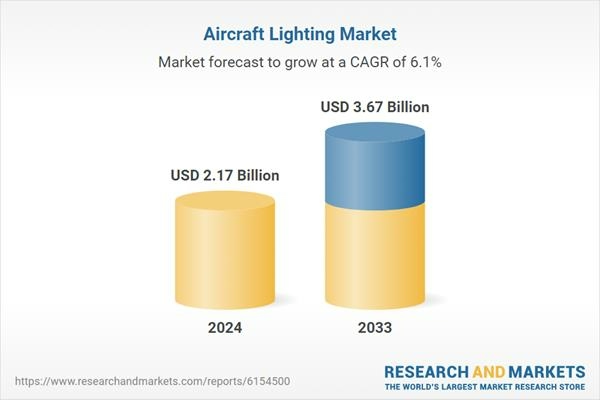
Aircraft Lighting Market Set for Robust Growth Through 2033 Amid Innovation and Sustainability Push
The global aircraft lighting market is anticipated to experience substantial growth, with its valuation expected to increase from $2.17 billion in 2024 to $3.67 billion by 2033. This expansion, representing a compound annual growth rate of 6.1% between 2025 and 2033, is driven by rapid technological advancements, evolving regulatory frameworks, and the aviation industry's heightened emphasis on sustainability and enhanced passenger experience.
Key Growth Drivers and Industry Trends
Central to the market’s momentum is the adoption of smart lighting systems integrated with advanced cabin management technologies, alongside the expansion of retrofit programs targeting aging aircraft fleets. The use of lightweight, energy-efficient materials further propels this growth. Regulatory initiatives promoting sustainable aviation technologies are also playing a significant role in shaping the industry’s trajectory.
Lighting in aircraft has transitioned from a purely functional component to a strategic element aimed at improving the onboard environment. Airlines are increasingly utilizing innovations in ambient and mood lighting—particularly in ceiling, wall, and reading fixtures—to craft comfortable, visually appealing, and brand-consistent cabin atmospheres. Dynamic lighting solutions are being tailored to accommodate time zone adjustments, passenger sleep cycles, and the elevated expectations of premium cabins, reflecting a broader industry shift toward emotionally engaging and sensory-rich interiors.
Sustainability and Technological Innovation
The aviation sector’s commitment to sustainability is a key driver of innovation in aircraft lighting. Airlines and original equipment manufacturers (OEMs) are prioritizing the development and installation of lightweight, energy-saving lighting systems designed to reduce fuel consumption and carbon emissions. Advanced LED modules, noted for their longevity and low power requirements, are increasingly being incorporated, particularly in widebody and regional aircraft undergoing retrofit programs. These enhancements align with the broader decarbonization objectives pursued across the aviation industry.
Enhancing Passenger Experience and Customization
The growing demand for luxury and personalized flying experiences is prompting lighting providers to create immersive cabin environments. Business and first-class cabins now commonly feature multi-zone lighting, mood-enhancing ambiance systems, and user-controlled settings, which serve to reinforce airline brand identity while elevating passenger comfort. Aircraft manufacturers are progressively integrating customizable lighting as a fundamental aspect of cabin design, underscoring the strategic importance of smart lighting systems in modern aircraft.
Advances in Exterior Lighting and Safety
The market for exterior lighting is also expanding, driven by the need to enhance flight safety and improve operational efficiency during nighttime conditions. Upgrades to anti-collision, navigation, and high-intensity landing lights are being implemented across commercial, business, and military fleets. The integration of LED and smart lighting technologies enhances visibility, durability, and compliance with international aviation standards, fostering closer collaboration between OEMs and lighting technology providers.
Market Challenges and Competitive Dynamics
Despite promising growth prospects, the aircraft lighting market faces challenges including stringent regulatory compliance with evolving aviation safety standards and the imperative for continuous technological innovation. Competition from emerging market entrants is intensifying, compelling established companies to increase investments in research and development and to forge partnerships with technology firms to develop next-generation lighting solutions. These strategic initiatives are expected to enable market leaders to sustain their competitive advantage amid rising demand for advanced, sustainable lighting systems.
The comprehensive report offers detailed segmentation and forecasts for the aircraft lighting market by aircraft type, light type (interior and exterior), technology, end use (OEM and aftermarket), and geographic region, providing an in-depth analysis of industry trends through 2033.

Chinese Team Develops First Flight Control Software for Bamboo Drones
SkyHope Appoints Aviation Industry Leader to Board
The Challenges of Certifying Autonomous Aircraft
KLM to Receive First Airbus A350, Announces Initial Routes
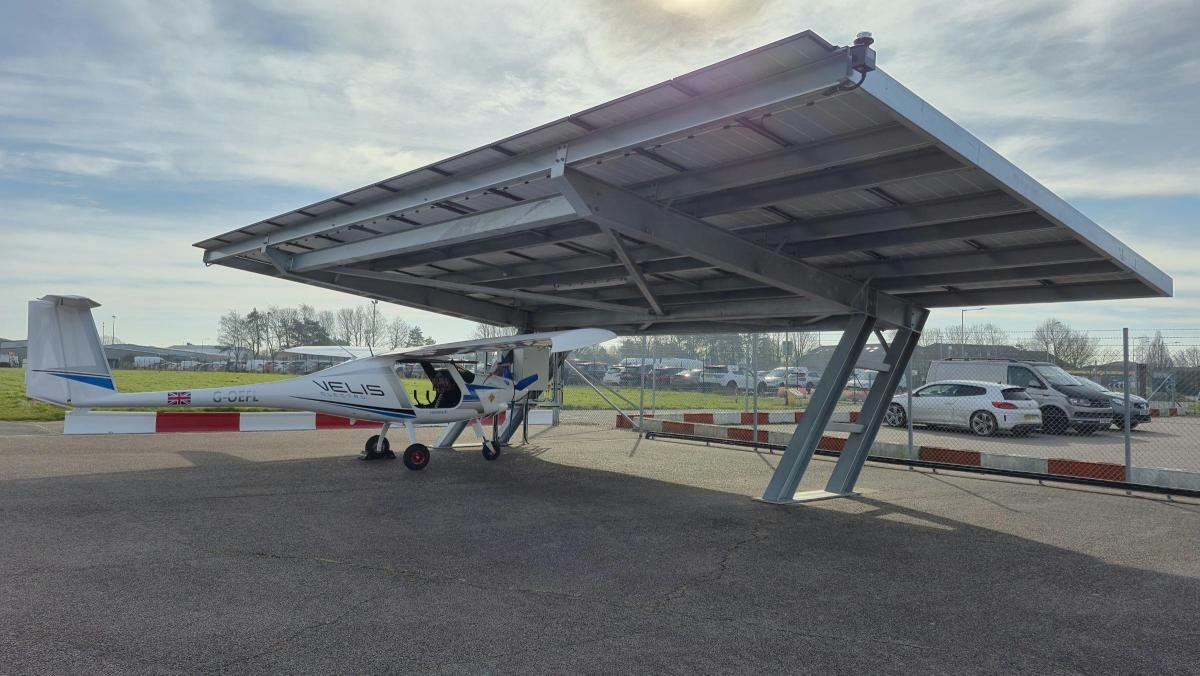
Saxon Air Receives Clean and Green Energy Innovation Award
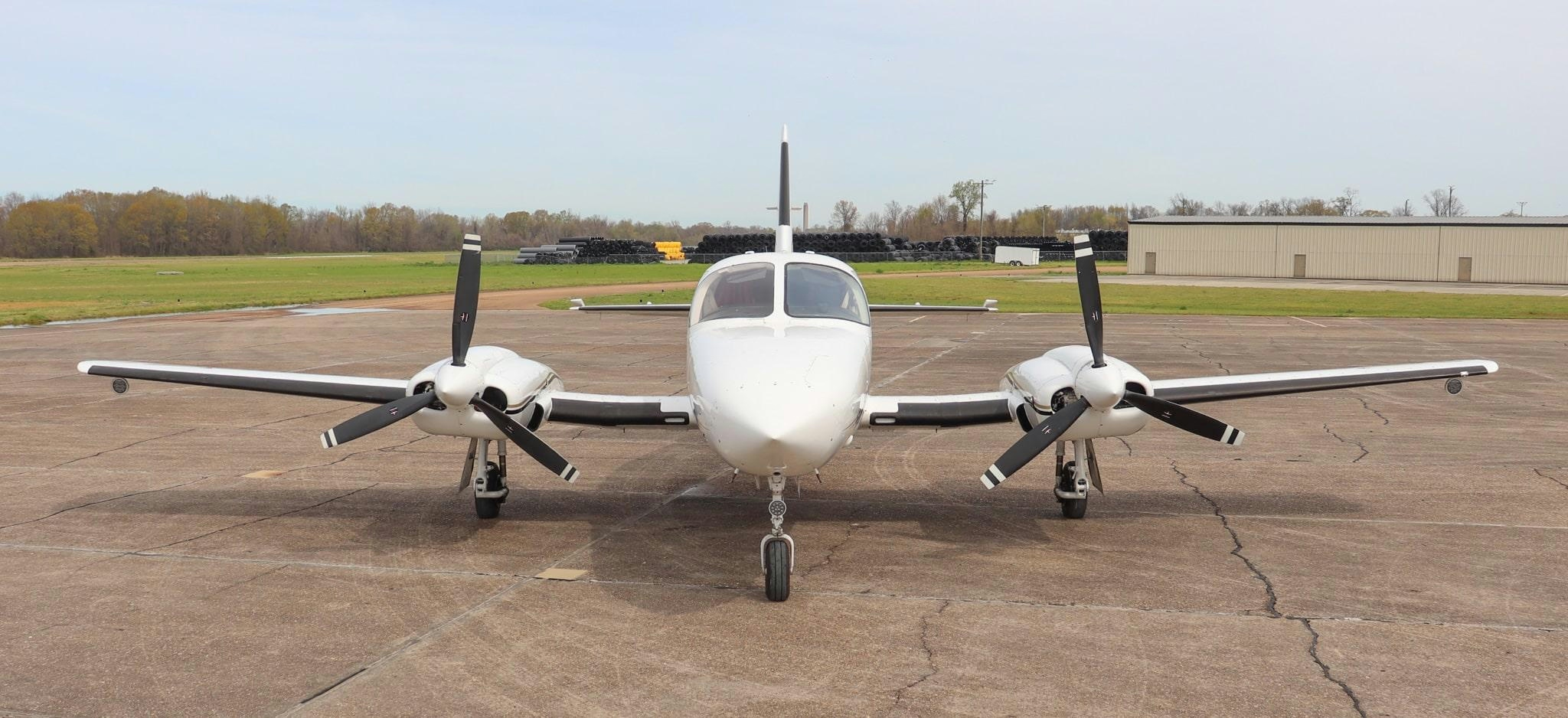
How BEB Tax Policies Impact Airlines’ International Leasing Contracts

Indonesia’s Danantara and Mandiri Partner with SMBC to Launch $800 Million Aviation Leasing Fund
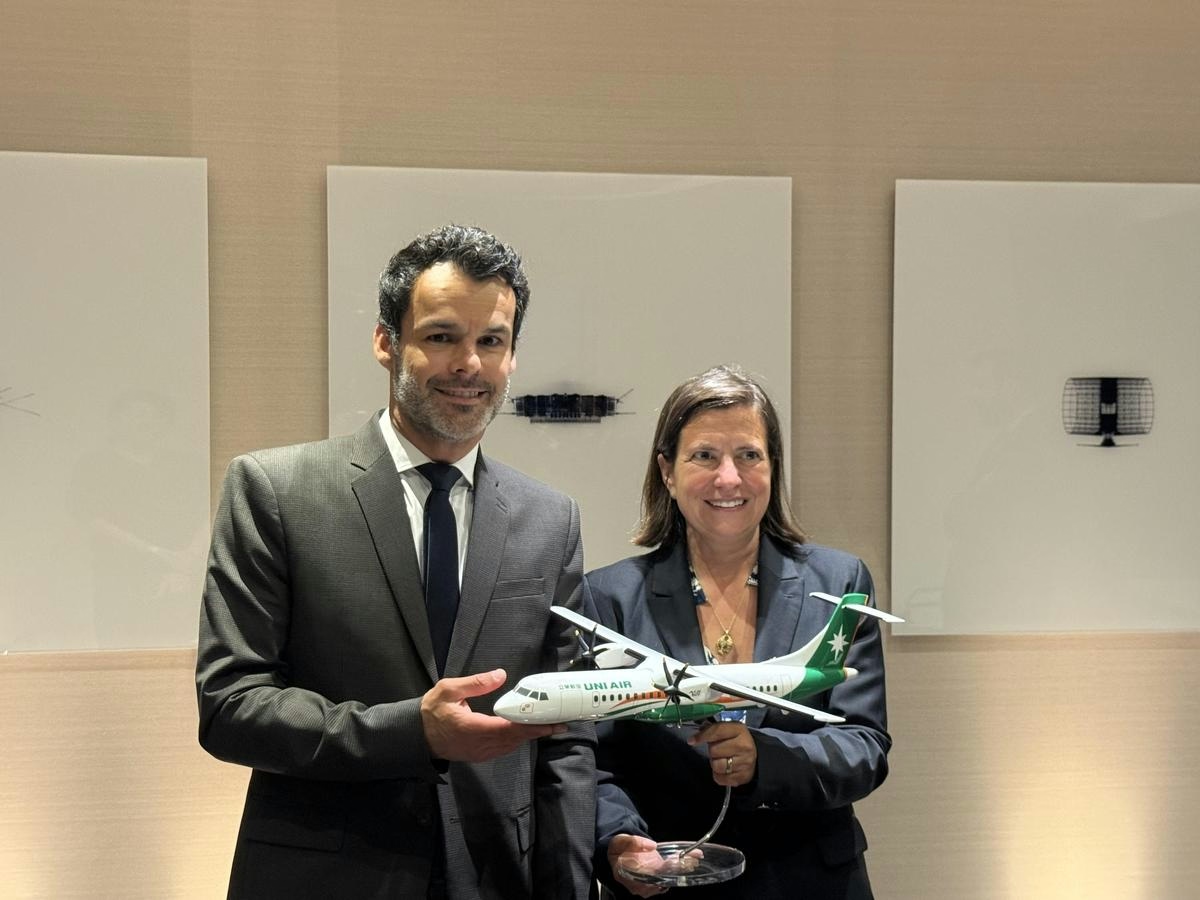
South Korea’s SUM Air Places Order for New ATR Aircraft
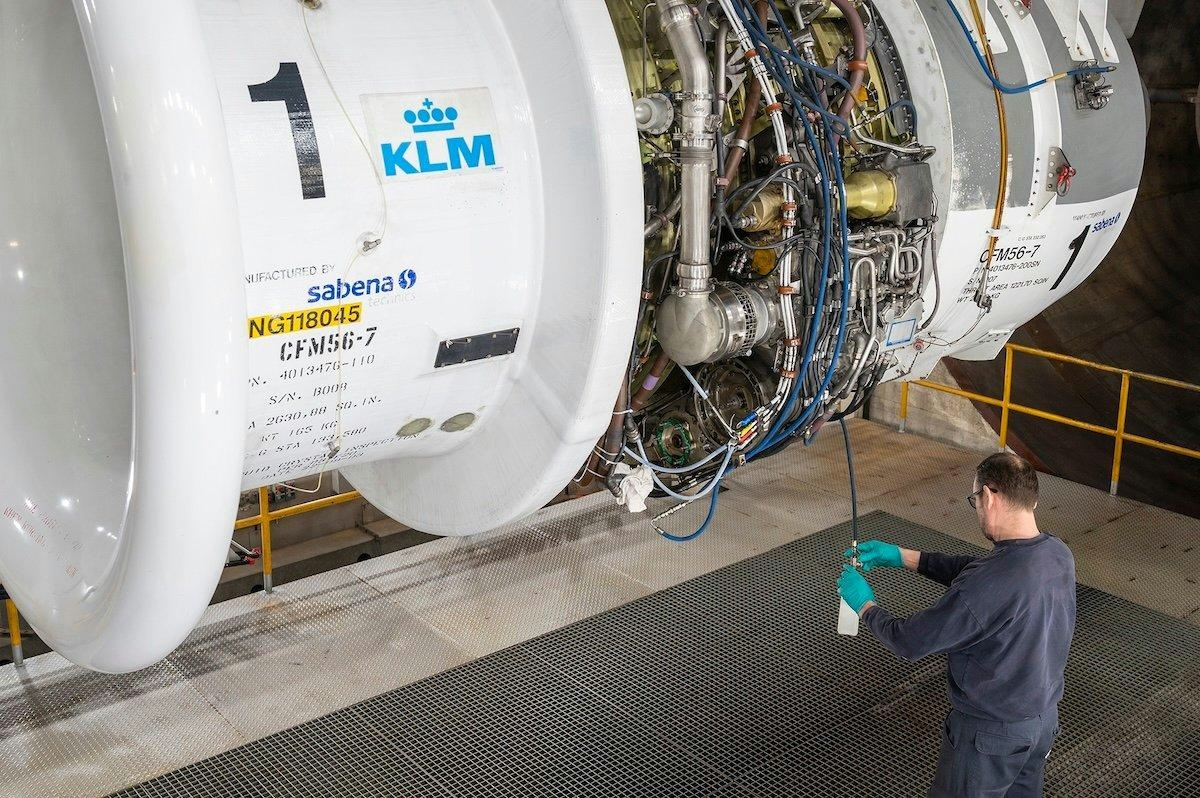
Benoît Rollier Named Vice President of KLM Engine Service
Azorra Expands Engine Portfolio Through Deal with DAE
