
AeroGenie — Ihr intelligenter Copilot.

Trends
Categories
Airbus Plans Record Delivery of 870 Aircraft in 2026

Airbus Sets Ambitious Delivery Target of 870 Aircraft for 2026
Airbus has announced plans to deliver approximately 870 commercial aircraft in 2026, aiming to surpass its previous records and capitalize on the aviation sector’s ongoing recovery. This target follows a strong performance in 2025, when the European aerospace manufacturer delivered 793 aircraft and secured around 1,000 new orders—889 net after cancellations. The company also reported a 23% increase in profits, reaching €5.2 billion ($6.1 billion), underscoring renewed confidence in the industry as it rebounds from the disruptions caused by the COVID-19 pandemic.
The surge in global travel demand and the drive for fleet modernization are key factors behind Airbus’s ambitious delivery goals. Airlines worldwide are seeking to expand and upgrade their fleets with more fuel-efficient and environmentally sustainable aircraft to meet the evolving needs of post-pandemic travelers. Airbus’s planned deliveries are expected to play a crucial role in shaping the future of air travel and supporting the revival of global tourism.
Challenges Amid Optimism
Despite its optimistic outlook, Airbus faces significant challenges in meeting its 2026 delivery target. Supply chain constraints remain a critical concern, particularly regarding engine availability. Issues related to a lack of firm commitments from engine supplier Pratt & Whitney could disrupt production schedules and delay deliveries. Market analysts have expressed cautious expectations for Airbus’s delivery numbers, reflecting broader uncertainties within the aviation industry.
Competition is intensifying as well. Boeing, Airbus’s primary competitor, is showing signs of recovery and is leveraging its strength in the widebody aircraft segment to regain market share. Meanwhile, Embraer is focusing on increasing sales of its E2 regional jets, adding further competitive pressure in the regional aircraft market.
Implications for Global Travel and Tourism
The successful delivery of 870 aircraft in 2026 would have far-reaching implications for global tourism and air travel. The introduction of more fuel-efficient planes is expected to enhance route networks, improve connectivity, and promote a more sustainable flying experience. Increased aircraft availability will translate into more seats, reduced emissions, and greater accessibility to destinations worldwide. These factors are vital for revitalizing local economies and supporting the ongoing recovery of the tourism sector.
Airbus CEO Guillaume Faury described 2025 as a “landmark year” for demand and expressed confidence in the stability of global trade, airline operations, and supply chains moving forward. Nevertheless, the company’s ability to achieve its ambitious 2026 delivery target will depend on effectively managing supply chain bottlenecks and responding to mounting competitive pressures.
Outlook for the Industry
As airlines prepare for expansion and governments seek to attract more tourists, Airbus’s delivery plans will be central to the aviation industry’s recovery and growth. The coming years will test the company’s resilience and adaptability as it strives to meet record-setting ambitions amid supply challenges and a dynamic competitive landscape.

Plane lands on Pennsylvania highway due to ‘engine issues,’ FAA says
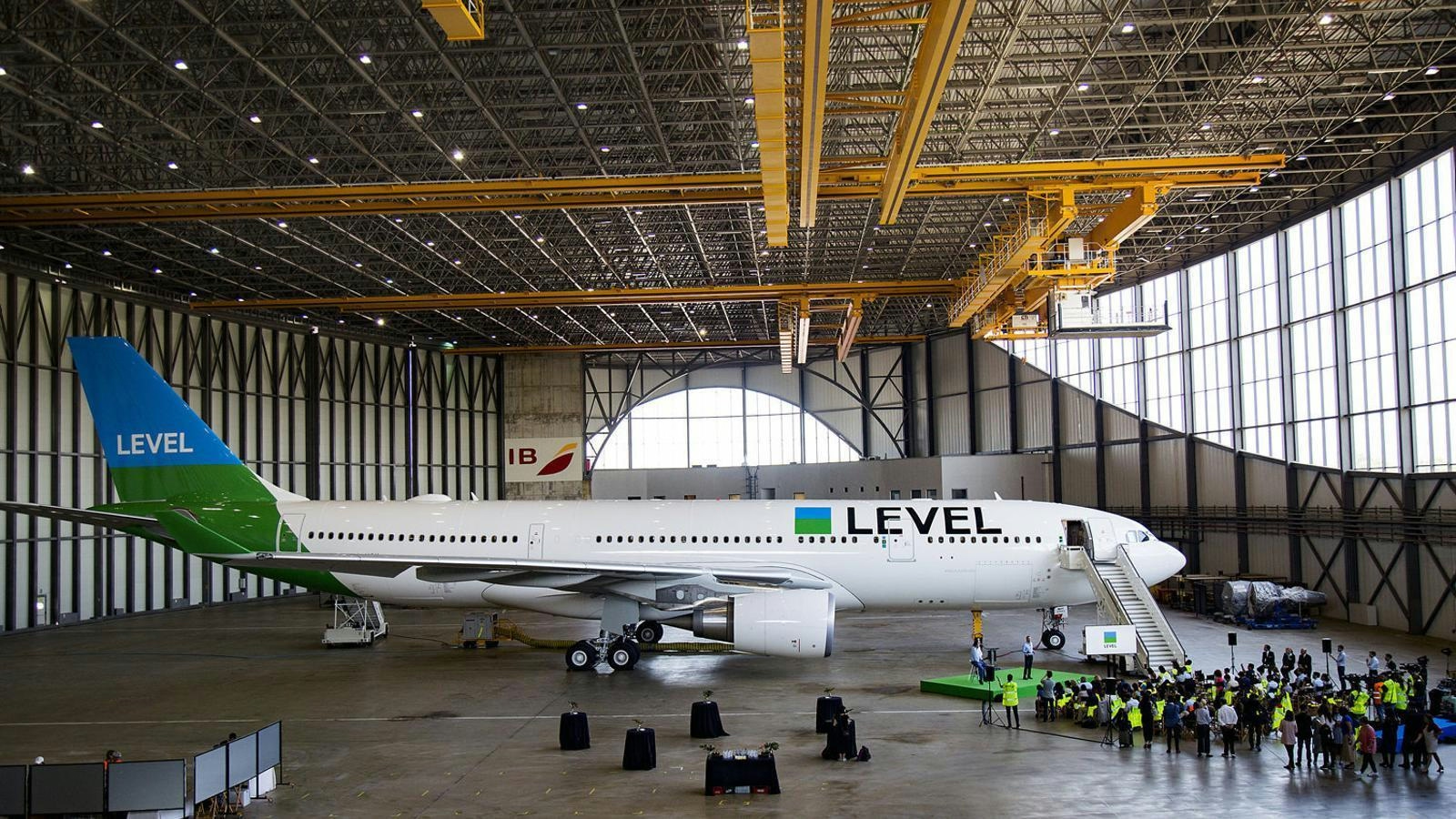
LEVEL Suspends San Francisco Flights Due to Engine Shortage

China Conducts First Flight Test of Megawatt Hydrogen Turboprop Engine

Oklahoma’s Aerospace Industry Expands and Its Impact on the State Economy

Archer Aviation Confronts Setbacks Amid Declining Air Taxi Interest

FAA and EASA Mandates to Influence Flight Line Testing Equipment Market Through 2035
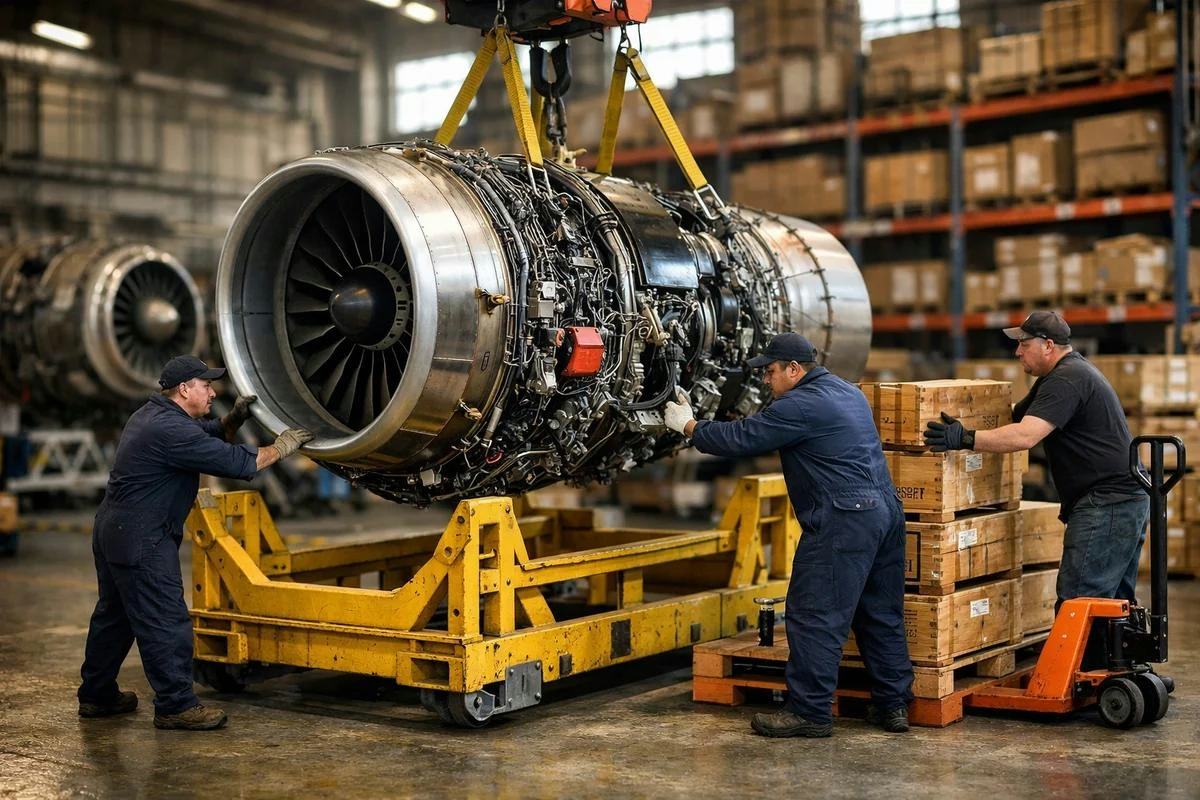
Willis Lease Operates as a Leveraged Spread Business with Moderate Returns

Chinese Team Develops First Flight Control Software for Bamboo Drones
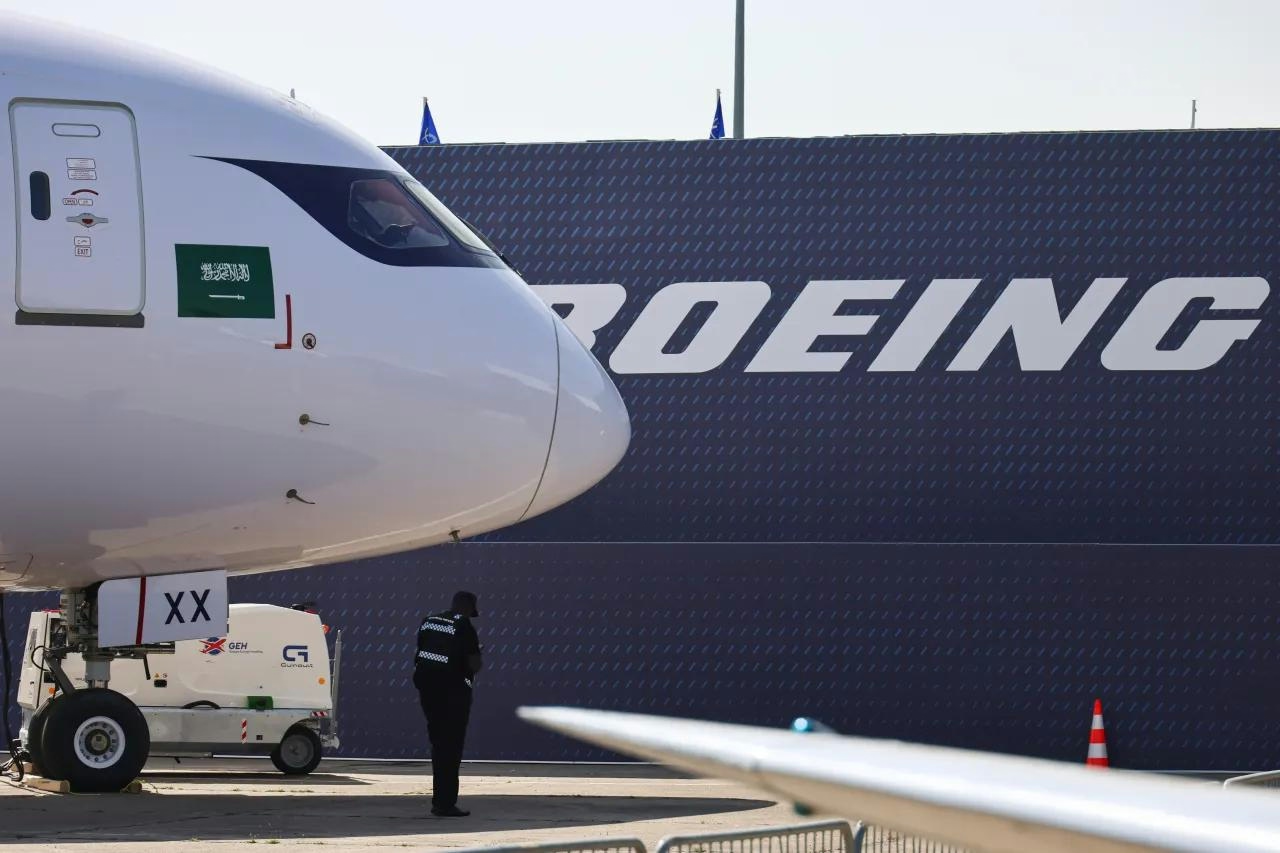
Government Moves Forward with Boeing Purchase, Considers Airbus Leasing

Changes in Airline Industry Leadership, Alliances, and AI
