
AeroGenie — Ihr intelligenter Copilot.

Trends
Categories
2025 Outlook on AI in Travel and Airlines
2025 Outlook on AI in Travel and Airlines
Rising Pressures and Uneven Adoption
Hotels and airlines are confronting mounting pressures to provide personalized experiences amid persistent labor shortages and escalating operational costs. Artificial intelligence (AI) is increasingly viewed as a promising solution to these challenges, yet its adoption across the travel sector remains inconsistent. A recent survey conducted by Amperity, which gathered insights from 800 industry leaders, highlights the current state of AI integration within the sector. The 2025 State of AI for Hotels and Airlines report reveals that AI implementation is gaining momentum, particularly in support, sales, and marketing functions. Nevertheless, the industry continues to grapple with significant obstacles, including high costs of implementation, technical complexities, and fragmented data systems.
Challenges and Market Dynamics
In addition to these operational difficulties, regulatory constraints and heightened concerns over data privacy present further complications. The necessity for substantial investments in technology infrastructure adds another layer of complexity to AI adoption. Companies such as RateGain are beginning to harness AI to improve revenue management and distribution, eliciting a cautiously optimistic response from the market. Many organizations are ramping up research and development efforts to maintain competitiveness in the rapidly evolving AI landscape. However, some have encountered setbacks, including disappointing outcomes in critical AI trials and the expiration of market exclusivity on proprietary technologies.
Future Prospects and Industry Implications
Despite AI’s potential, the majority of travel brands have yet to fully integrate these technologies into customer-facing applications—the area with the greatest capacity to enhance guest loyalty and drive revenue growth. Looking ahead to 2025, the successful deployment of AI will depend on the industry’s ability to overcome regulatory, technical, and financial barriers while simultaneously addressing consumer expectations regarding privacy and personalization. The comprehensive Amperity report provides further analysis of how hotels and airlines are navigating AI adoption, the challenges they face, and the implications for guest engagement and loyalty in an increasingly digital travel environment.
LEVEL Suspends San Francisco Flights Due to Engine Shortage

China Conducts First Flight Test of Megawatt Hydrogen Turboprop Engine

Oklahoma’s Aerospace Industry Expands and Its Impact on the State Economy
Archer Aviation Confronts Setbacks Amid Declining Air Taxi Interest
FAA and EASA Mandates to Influence Flight Line Testing Equipment Market Through 2035
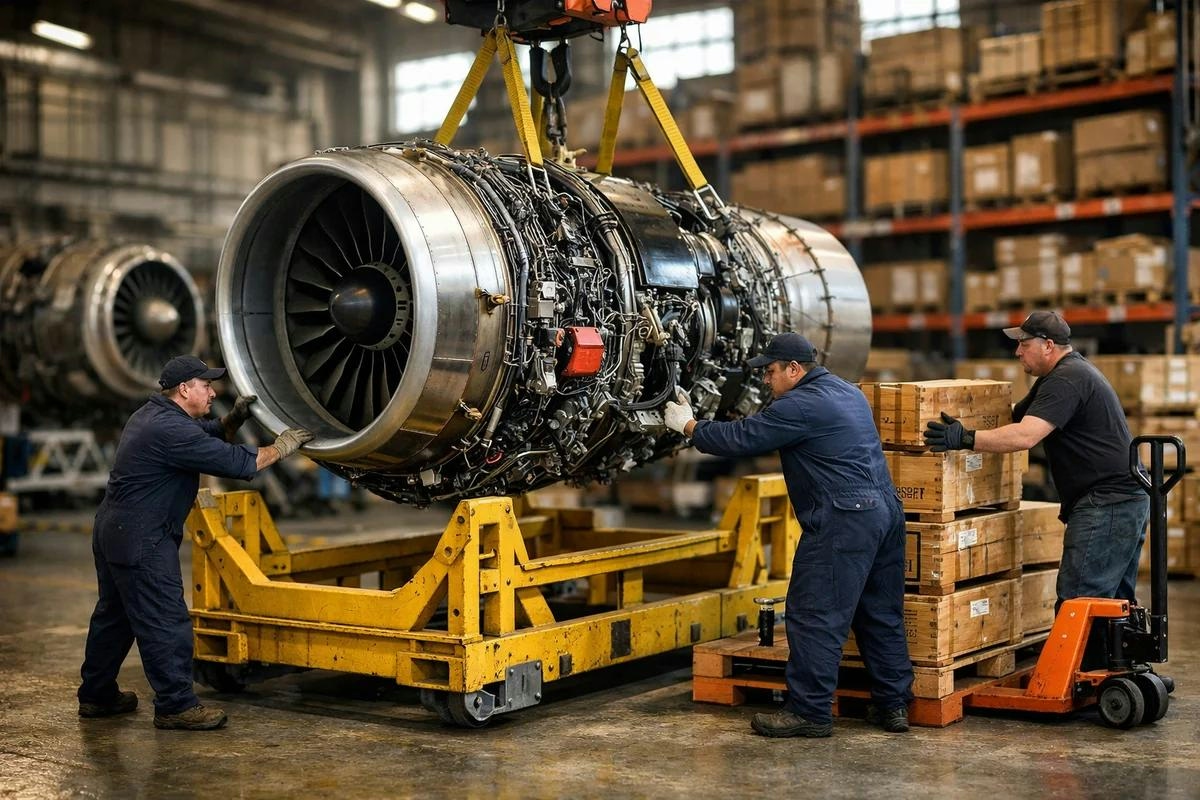
Willis Lease Operates as a Leveraged Spread Business with Moderate Returns

Chinese Team Develops First Flight Control Software for Bamboo Drones
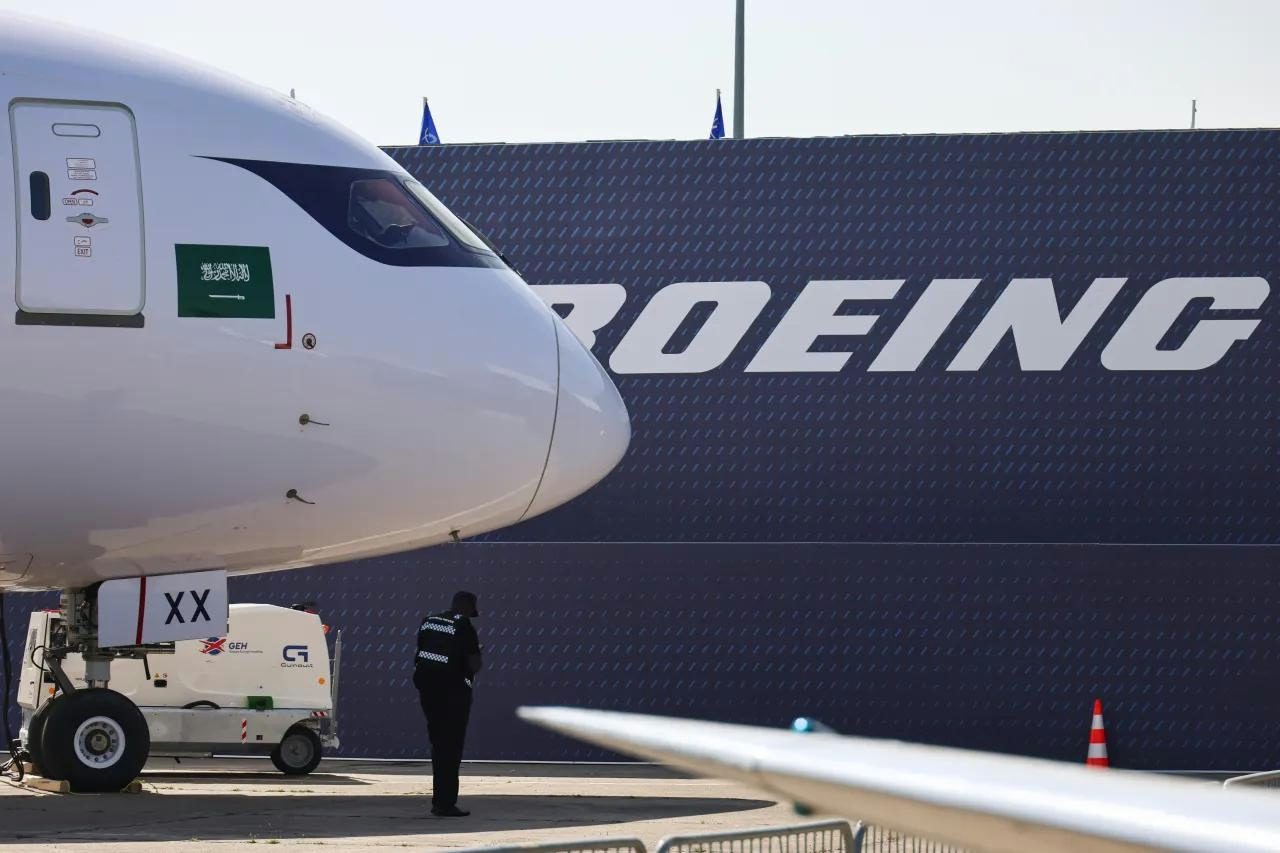
Government Moves Forward with Boeing Purchase, Considers Airbus Leasing

SkyHope Appoints Aviation Industry Leader to Board
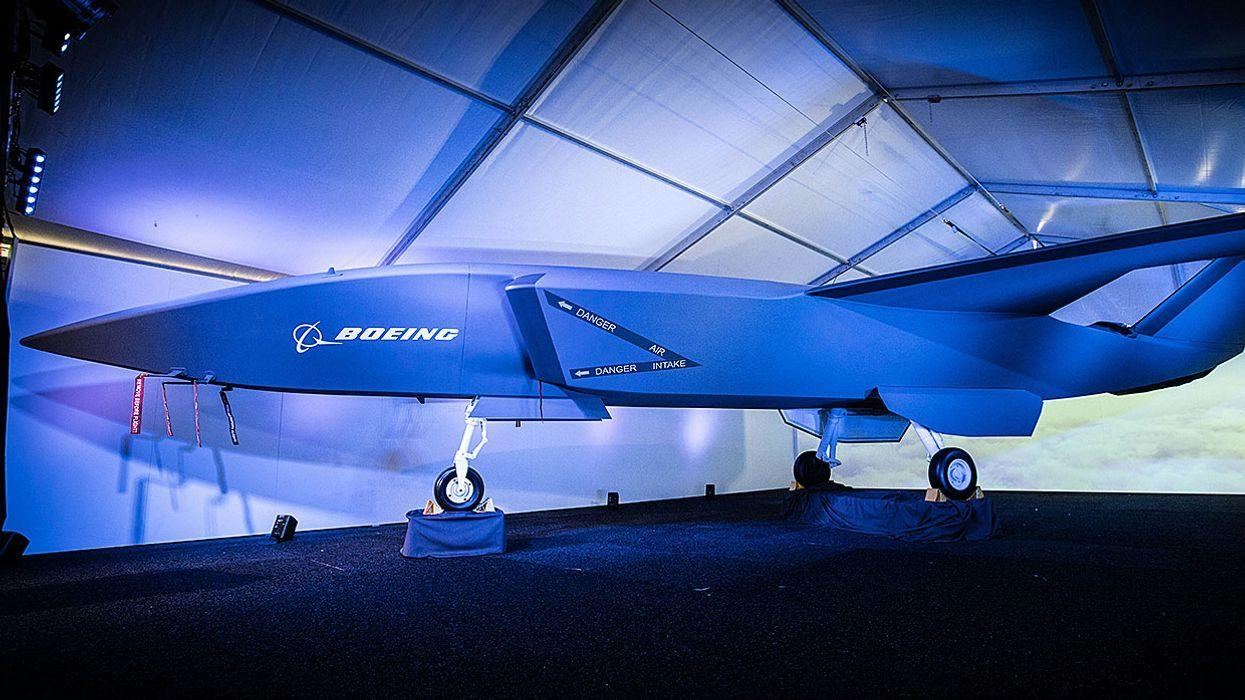
The Challenges of Certifying Autonomous Aircraft
