
أيروجيني — مساعدك الذكي للطيران.

الرائج الآن
Categories
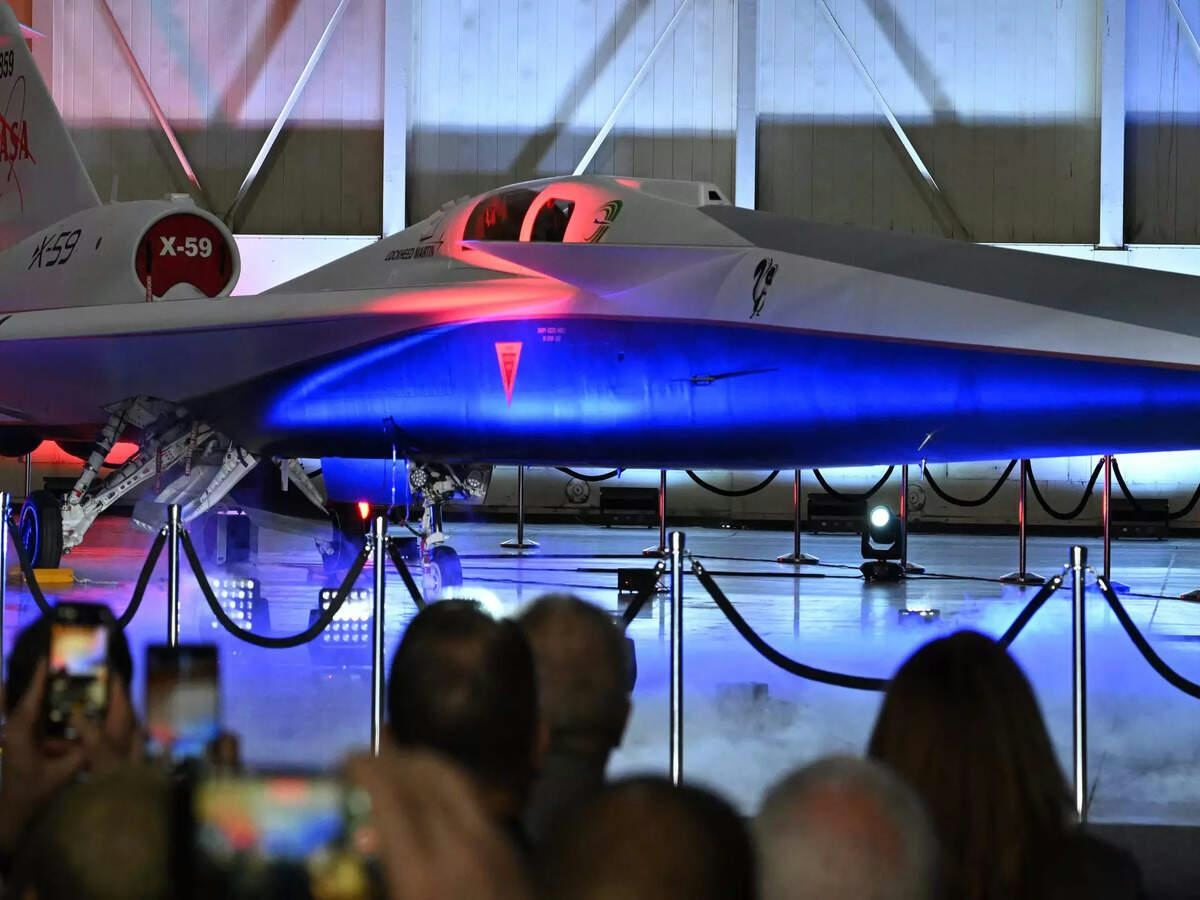
U.S. Introduces Supersonic Aircraft Aiming to Transform Global Travel
U.S. Introduces Supersonic Aircraft Aiming to Transform Global Travel
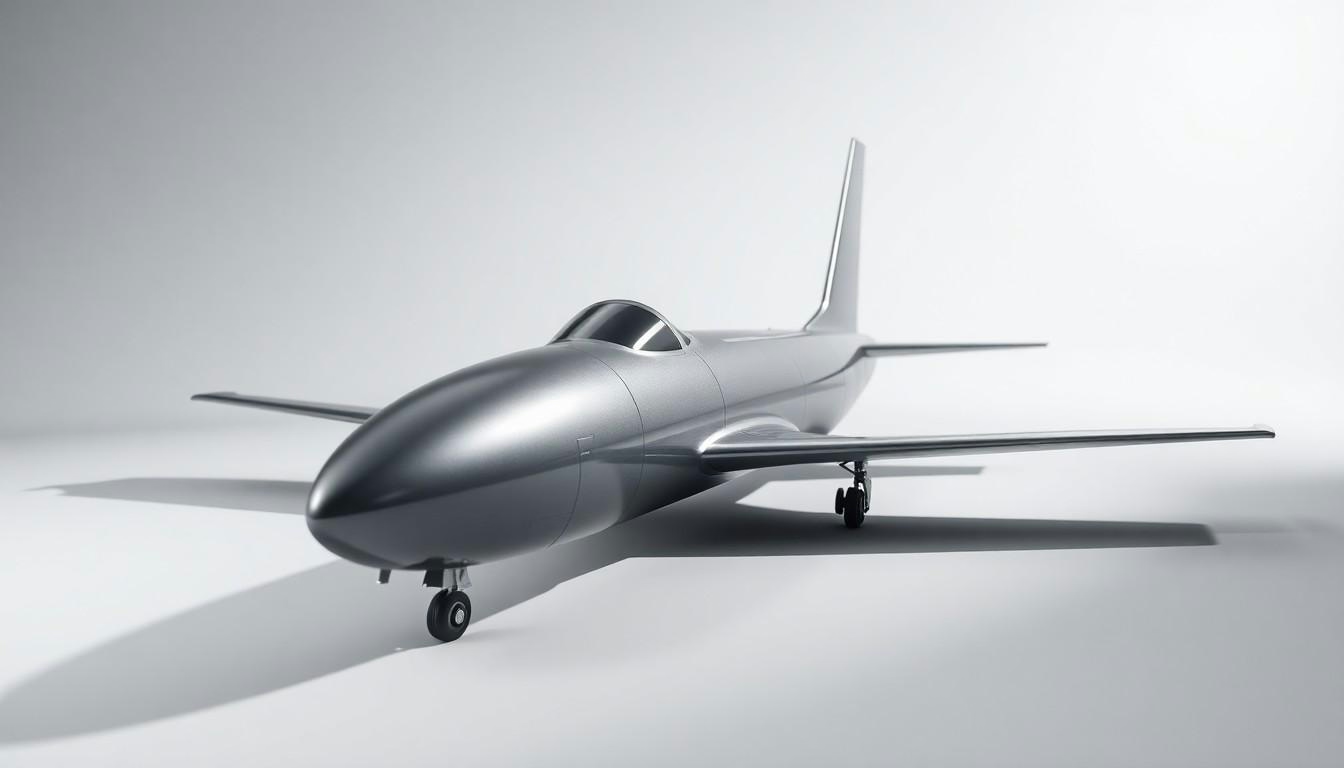
The United States is embarking on a new chapter in aviation with the development of advanced supersonic aircraft designed to revolutionize global travel through enhanced speed and technological innovation. Central to this initiative is NASA’s X-59, a next-generation jet engineered to fly faster than the speed of sound while addressing the environmental and regulatory challenges that have historically impeded supersonic flight.
Advancements Beyond the Concorde
The X-59 marks a significant departure from the era of the Concorde, the iconic supersonic passenger jet that operated from 1969 until 2003. While the Concorde was celebrated for its ability to complete transatlantic flights in under four hours, its legacy was ultimately overshadowed by high operational costs, safety concerns, and the disruptive sonic boom that restricted its routes. In contrast, the X-59 is designed to overcome these obstacles, particularly by minimizing the sonic boom to a quiet “thump,” a breakthrough that could enable supersonic travel over land without causing noise pollution.
Developed by Lockheed Martin under NASA’s guidance, the X-59 is capable of reaching speeds approximately 1.4 times the speed of sound. The data gathered from its test flights will be instrumental in informing both U.S. and international regulators as they consider revising noise standards. Such regulatory changes could lift longstanding restrictions on supersonic flights, potentially opening new avenues for commercial supersonic travel.
Challenges and Market Prospects
Despite the technological progress, significant challenges remain before supersonic travel can be widely adopted. Regulatory approval is a major hurdle, as authorities must be assured that the aircraft can operate without generating unacceptable noise levels. Environmental concerns also persist, particularly regarding fuel efficiency and emissions, which will likely influence public perception and policy decisions.
The market response to quieter supersonic technology has been cautiously optimistic. Interest is growing among established aerospace companies and startups alike, with several firms actively developing their own next-generation supersonic jets. However, the emergence of alternative aviation technologies, such as electric air taxis trialed during the Trump administration, may shift focus and resources, influencing the future trajectory of high-speed travel.
The United States remains committed to leading this transformation by investing in aerospace innovation, environmental sustainability, and noise reduction technologies. If successful, these efforts could dramatically reduce flight times and make supersonic travel more accessible, fundamentally altering global connectivity.
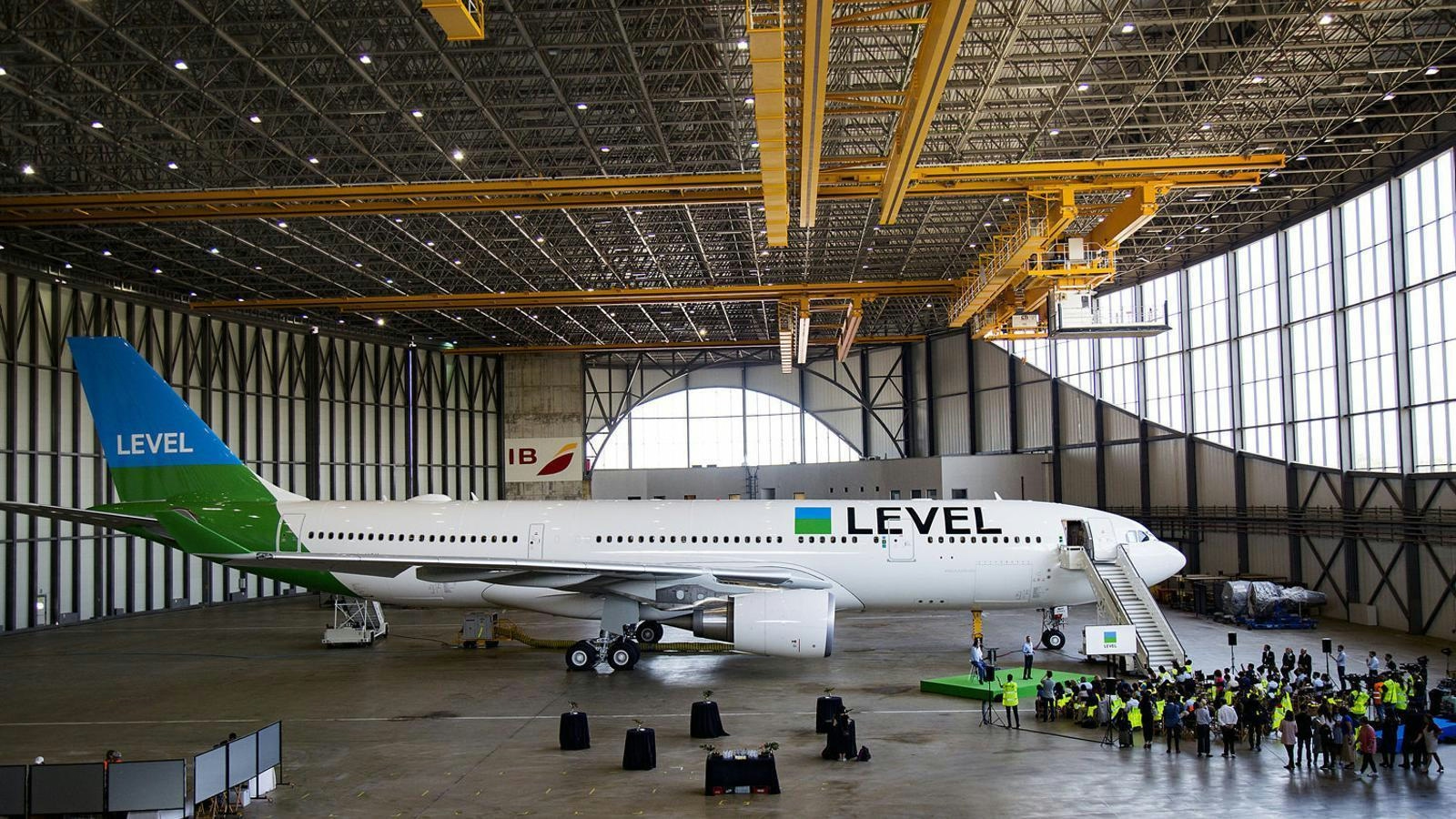
LEVEL Suspends San Francisco Flights Due to Engine Shortage
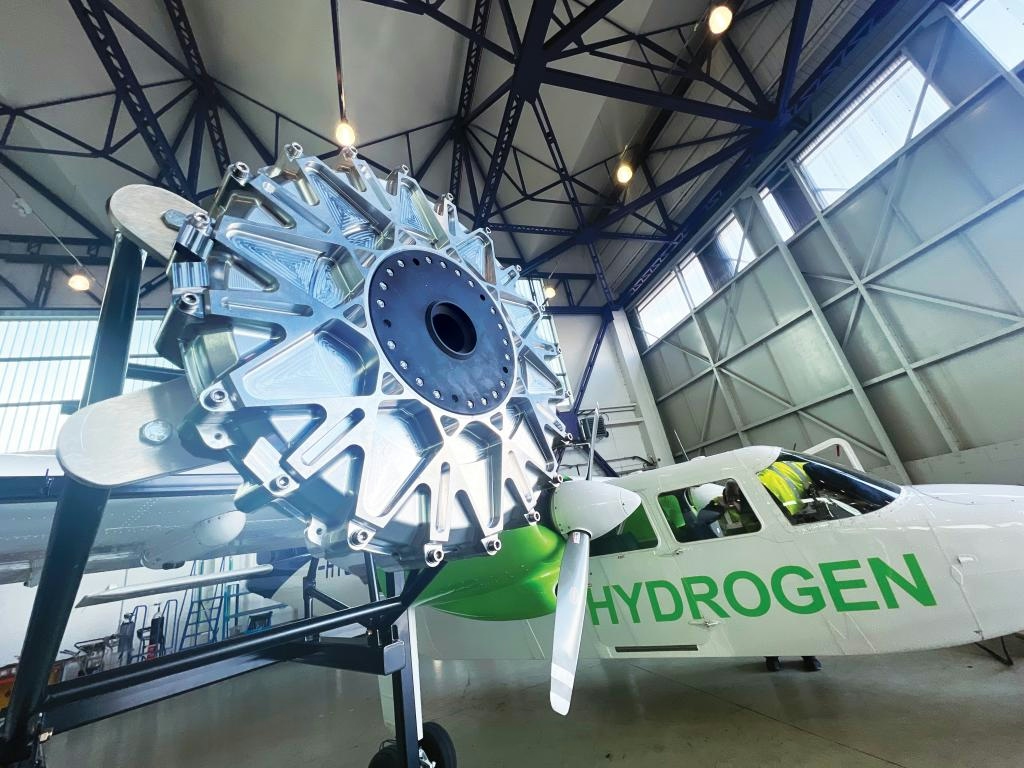
China Conducts First Flight Test of Megawatt Hydrogen Turboprop Engine
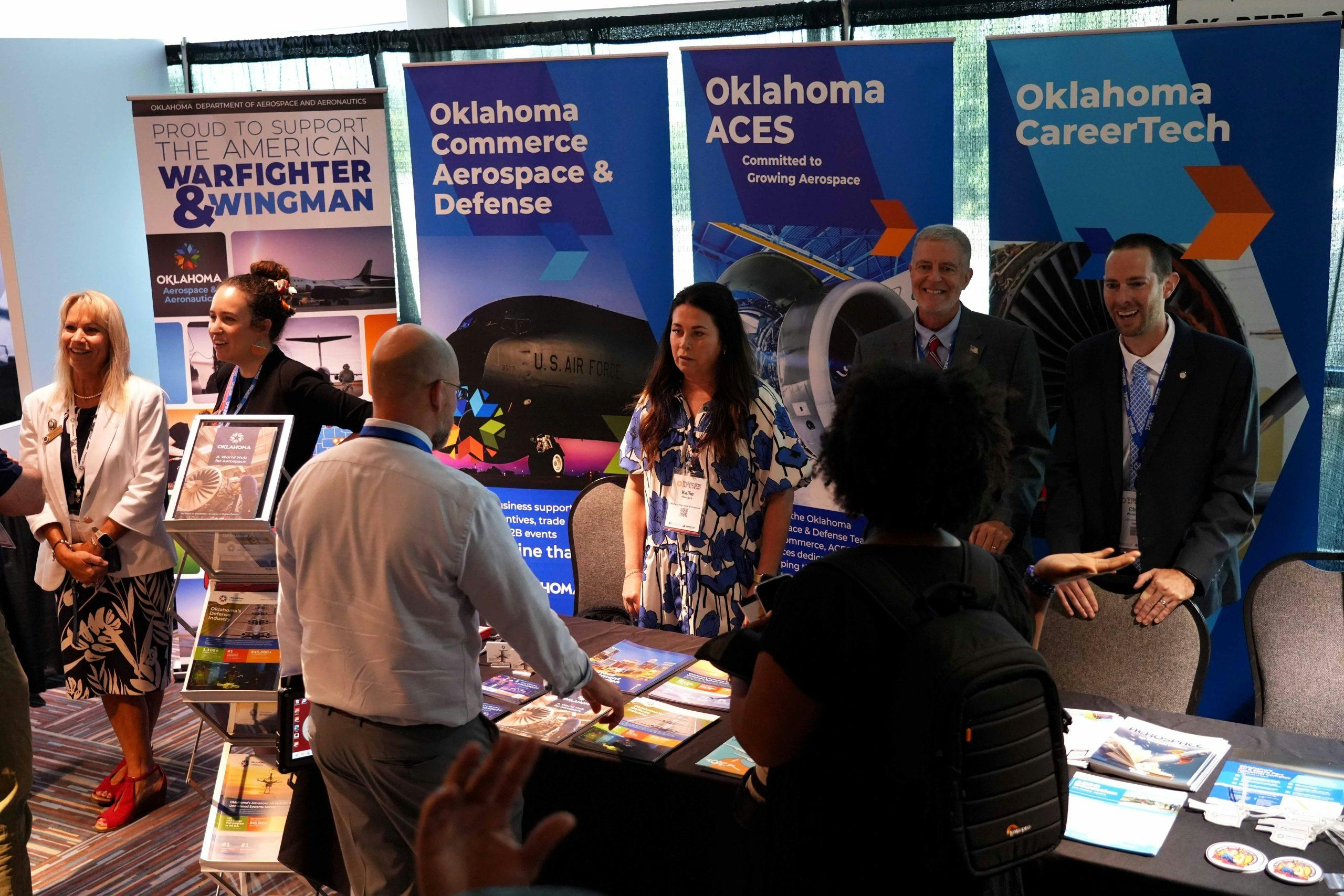
Oklahoma’s Aerospace Industry Expands and Its Impact on the State Economy
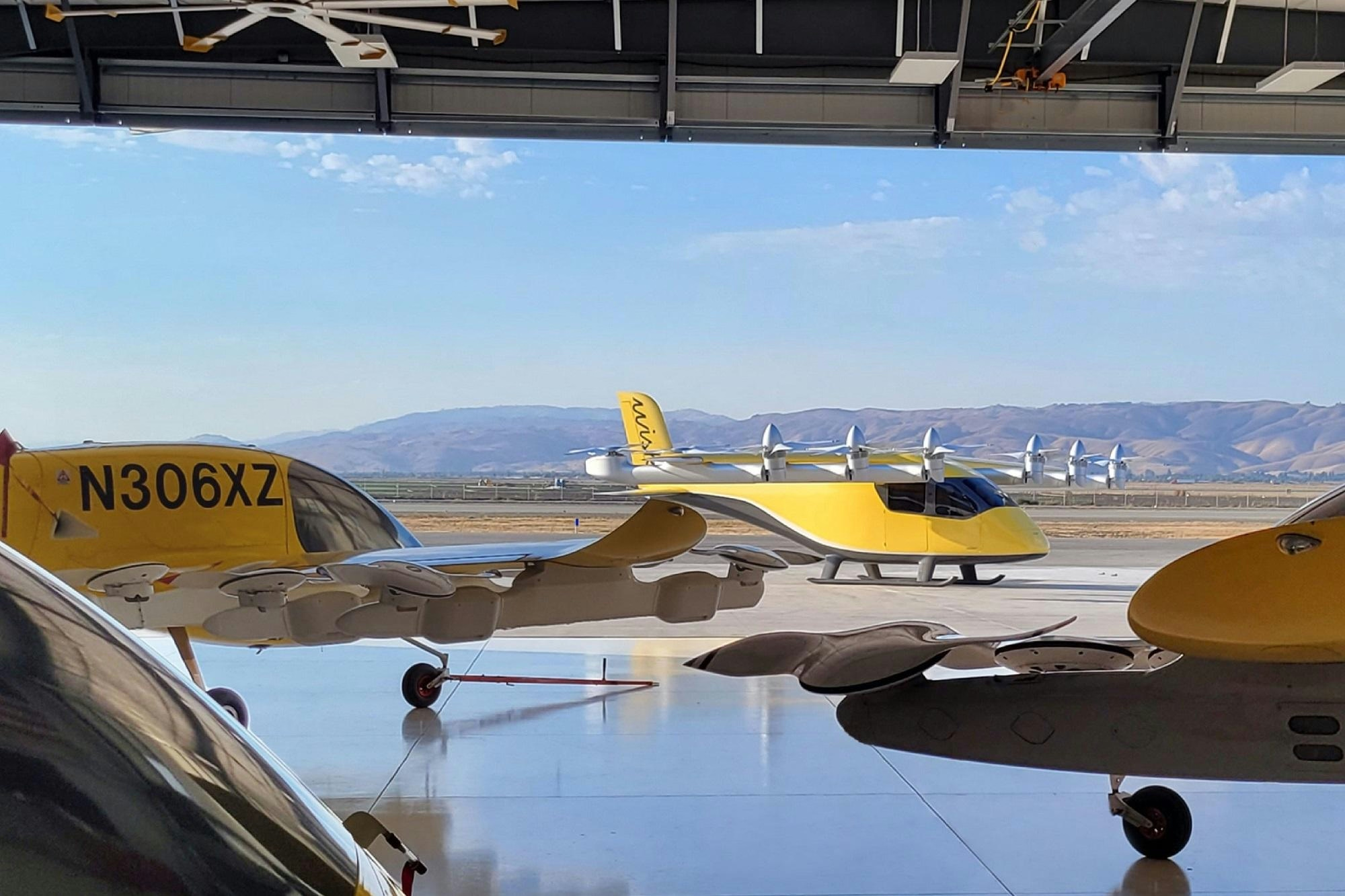
Archer Aviation Confronts Setbacks Amid Declining Air Taxi Interest

FAA and EASA Mandates to Influence Flight Line Testing Equipment Market Through 2035
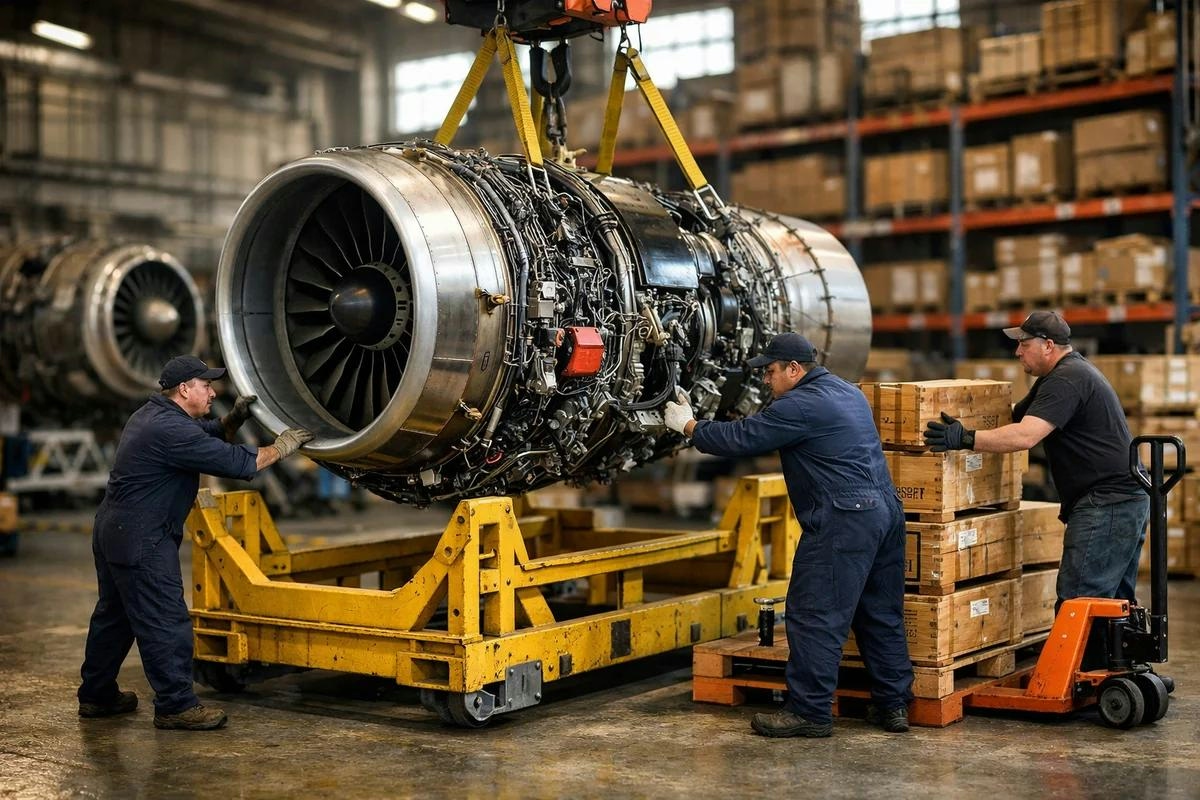
Willis Lease Operates as a Leveraged Spread Business with Moderate Returns
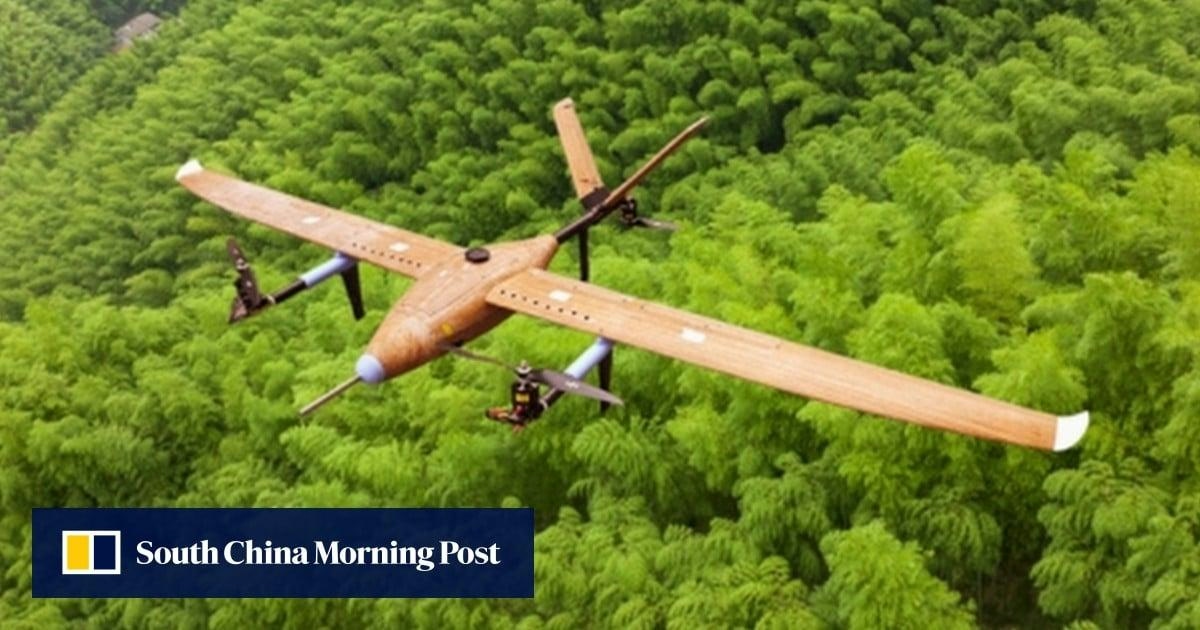
Chinese Team Develops First Flight Control Software for Bamboo Drones
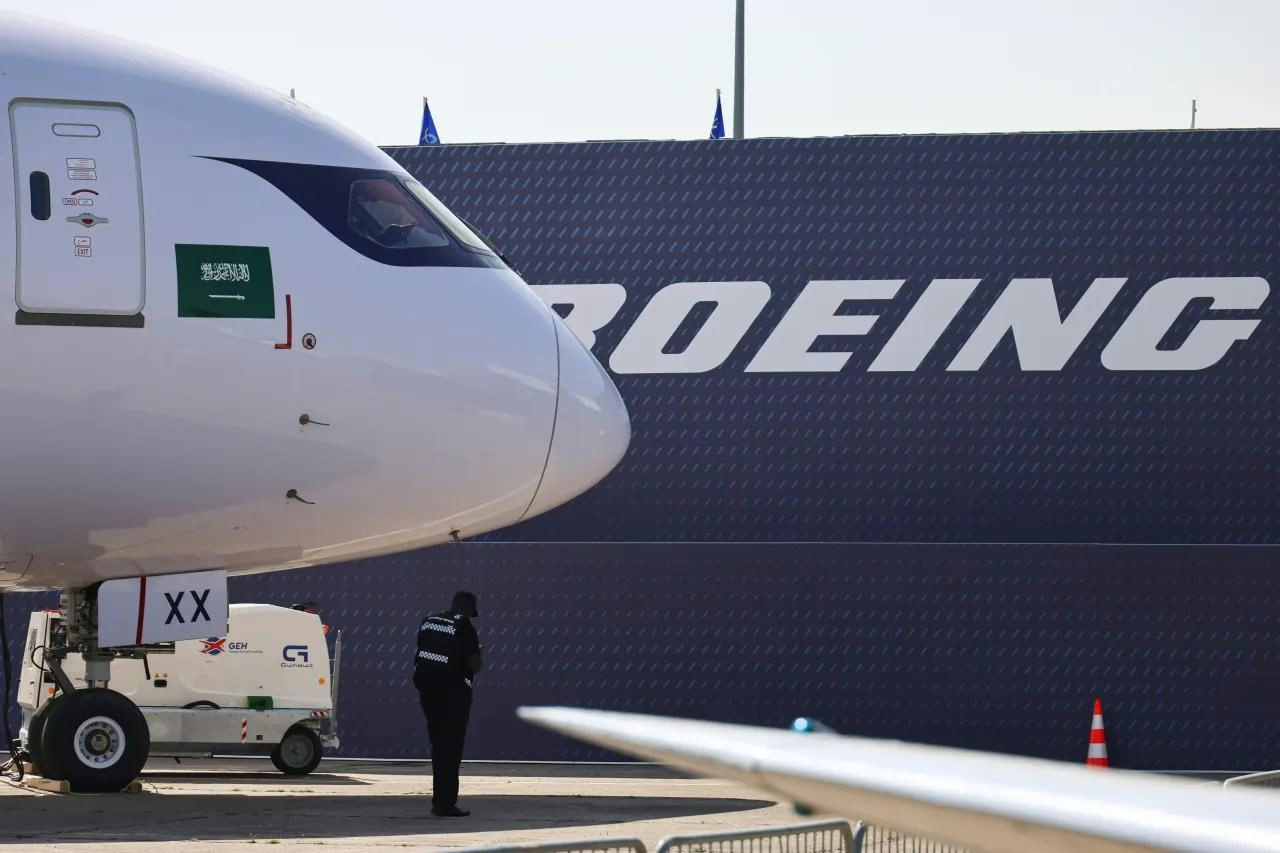
Government Moves Forward with Boeing Purchase, Considers Airbus Leasing
SkyHope Appoints Aviation Industry Leader to Board
The Challenges of Certifying Autonomous Aircraft
