
أيروجيني — مساعدك الذكي للطيران.

الرائج الآن
Categories
Uber Plans to Launch Air Taxi Service by 2026
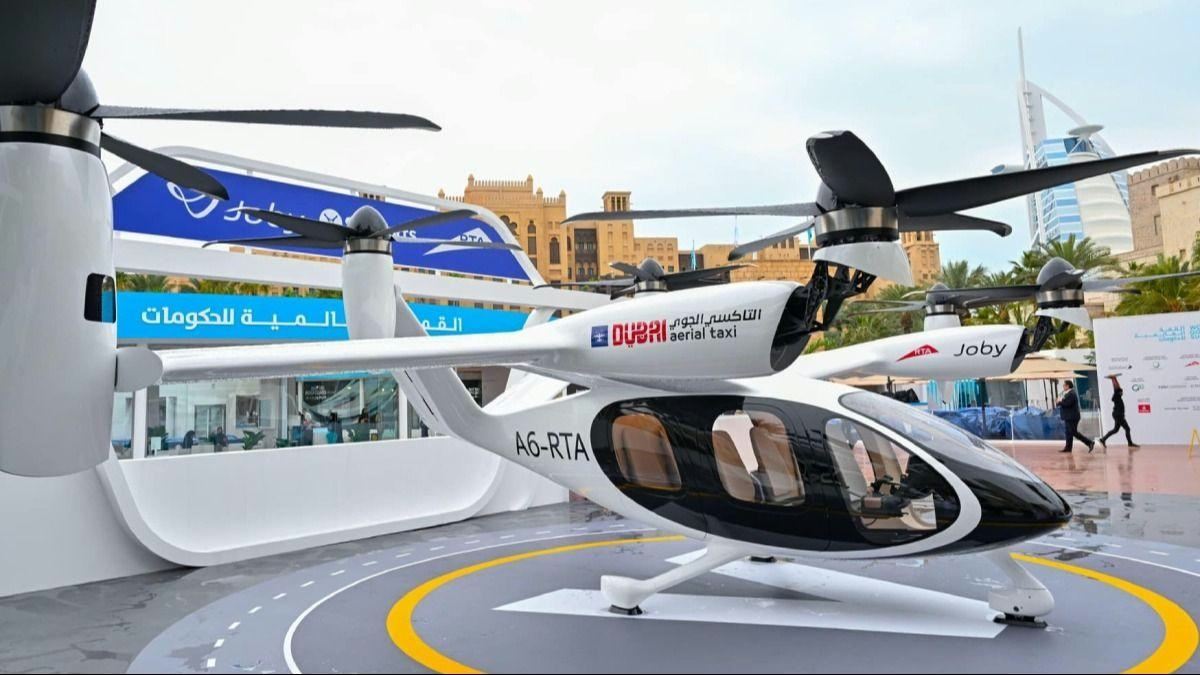
Uber’s Ambitious Plan to Launch Air Taxi Service by 2026
Uber has unveiled plans to introduce an air taxi service by 2026, aiming to transform urban transportation through the deployment of electric vertical takeoff and landing (eVTOL) aircraft. In collaboration with aviation companies Joby Aviation and Blade Air Mobility, Uber intends to offer rapid, on-demand flights that bypass congested city streets, promising a new dimension of urban mobility.
Challenges in Regulation and Safety
Despite the promise of this innovative service, Uber faces considerable obstacles. Regulatory approval remains a significant challenge, as aviation authorities around the world have yet to establish comprehensive frameworks for commercial air taxi operations. Safety concerns are paramount, requiring Uber to prove the reliability of its eVTOL aircraft and to effectively integrate new flight corridors into already busy urban airspace. Furthermore, the company must ensure that the air taxi service is seamlessly integrated with its existing ride-hailing platform to deliver a smooth and user-friendly experience.
Market Dynamics and Competitive Landscape
The announcement has elicited mixed reactions from the market. Investors are closely watching Uber’s partnerships and technological progress amid intensifying competition in the autonomous and aerial mobility sectors. Notably, Lyft, one of Uber’s main competitors, has secured a partnership with Baidu to deploy robotaxis in Europe, highlighting a broader industry trend toward autonomous transportation solutions.
Uber’s ambitions extend beyond air taxis. The company is actively testing robotaxi services in Munich in partnership with the Chinese autonomous driving startup Momenta. This initiative reflects Uber’s aggressive strategy to expand its autonomous ridesharing offerings, which may trigger further competitive responses from other players in the ride-hailing industry.
As Uber advances toward realizing its air taxi vision, it must navigate a complex interplay of regulatory, technological, and competitive challenges. Success in this endeavor could represent a significant leap forward in urban mobility, potentially reshaping how people navigate cities in the near future.
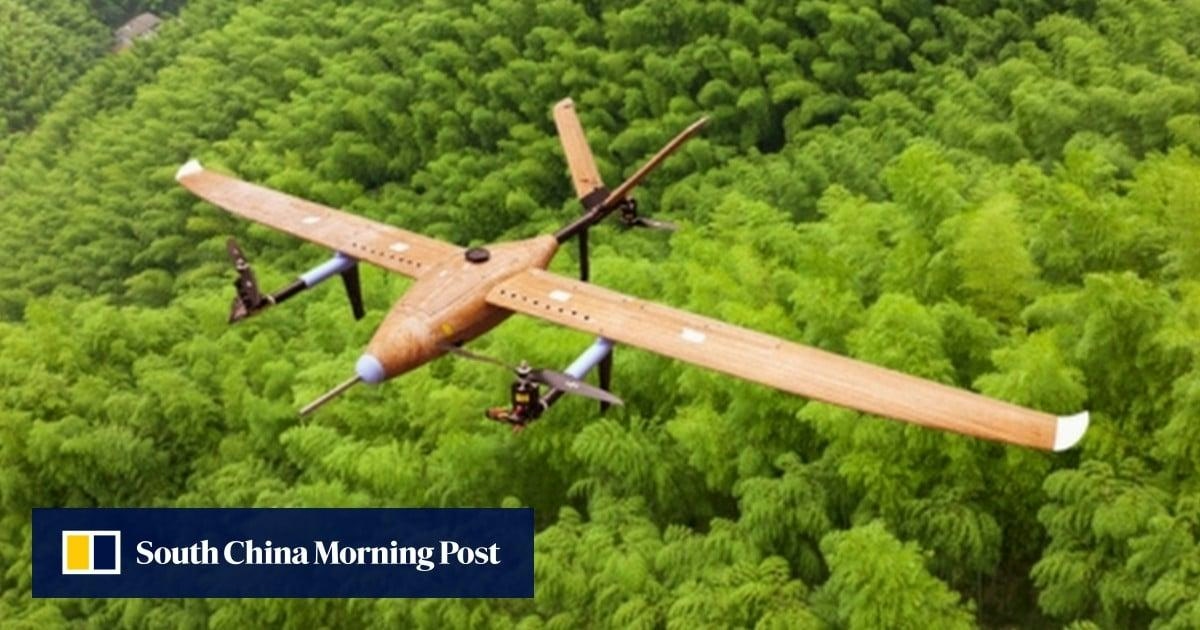
Chinese Team Develops First Flight Control Software for Bamboo Drones
SkyHope Appoints Aviation Industry Leader to Board
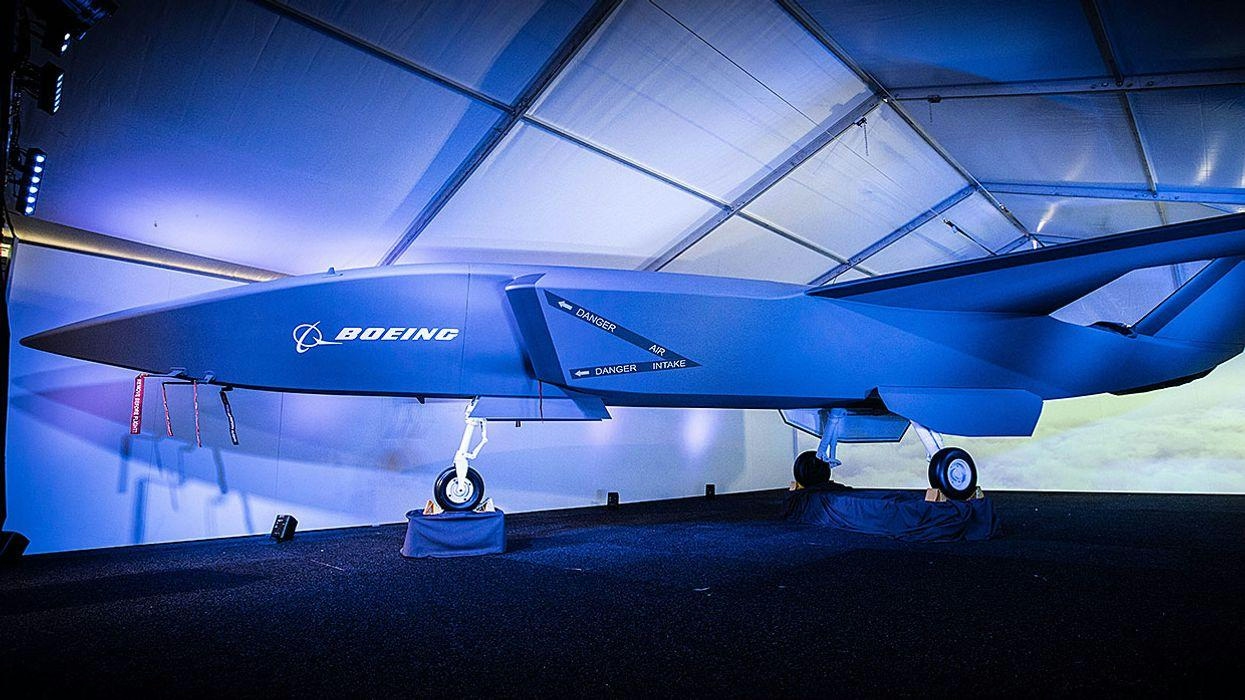
The Challenges of Certifying Autonomous Aircraft
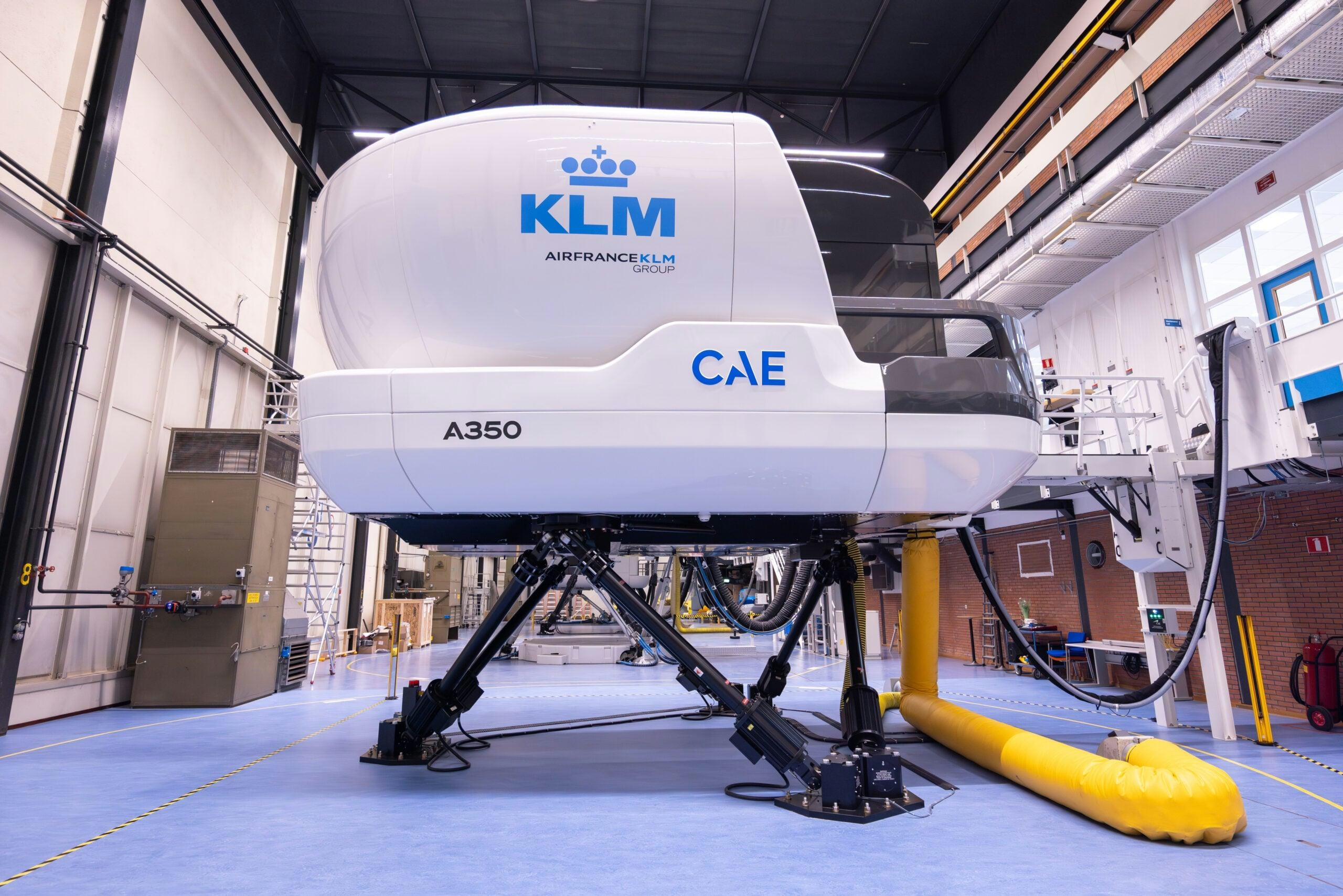
KLM to Receive First Airbus A350, Announces Initial Routes
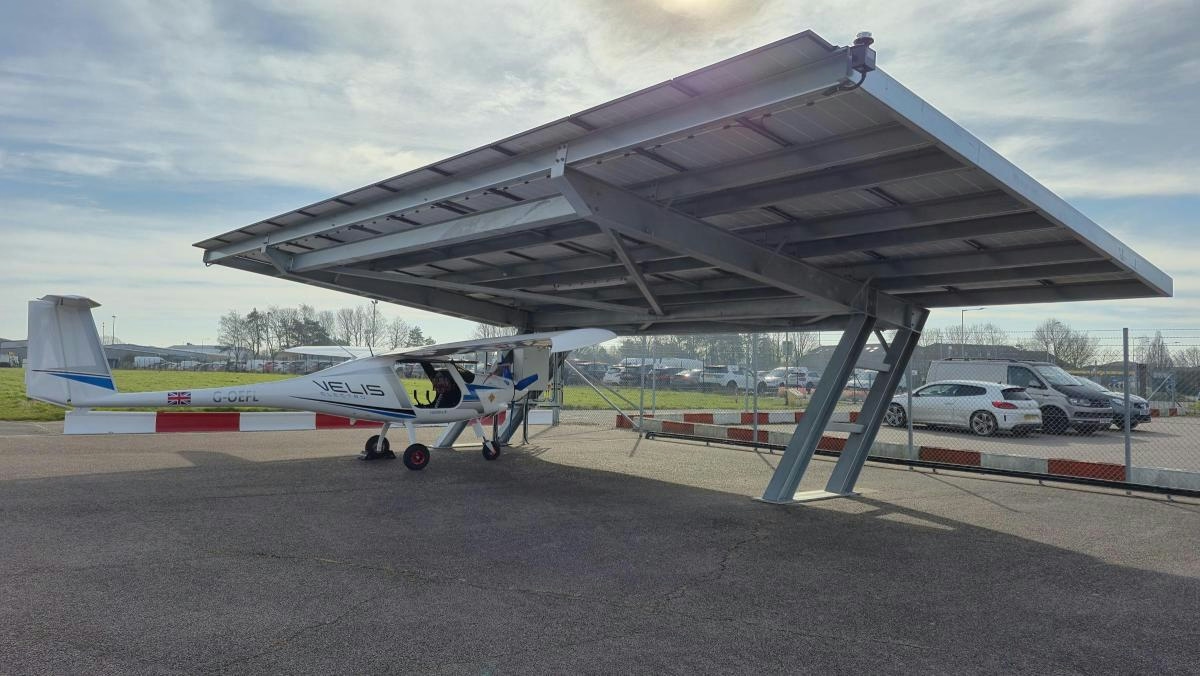
Saxon Air Receives Clean and Green Energy Innovation Award
How BEB Tax Policies Impact Airlines’ International Leasing Contracts

Indonesia’s Danantara and Mandiri Partner with SMBC to Launch $800 Million Aviation Leasing Fund
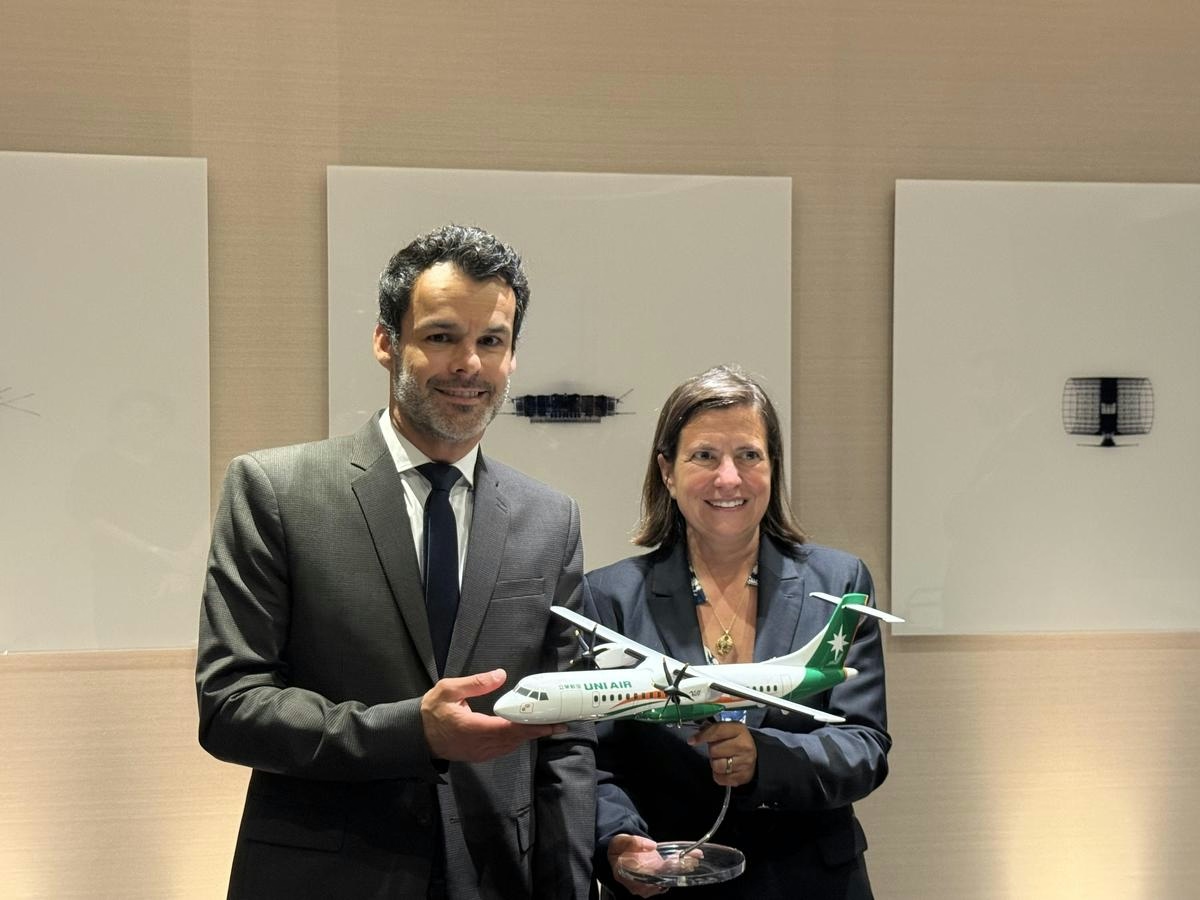
South Korea’s SUM Air Places Order for New ATR Aircraft
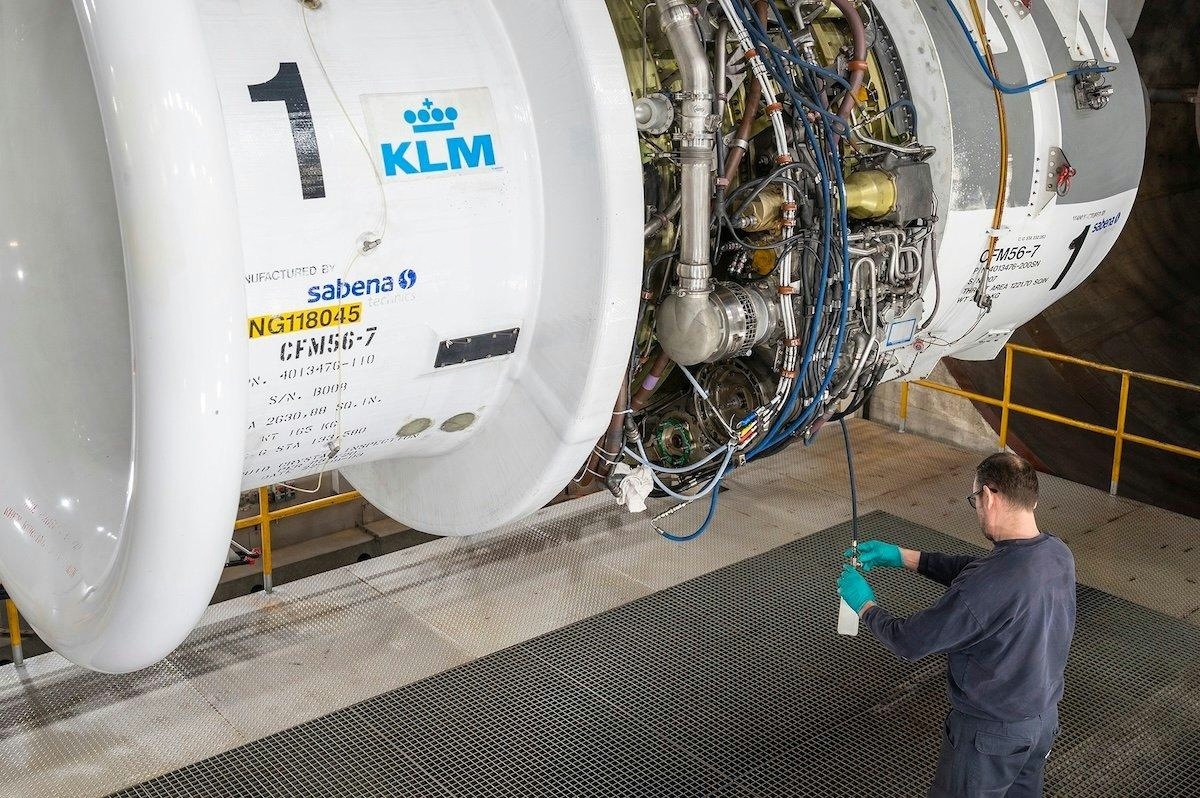
Benoît Rollier Named Vice President of KLM Engine Service
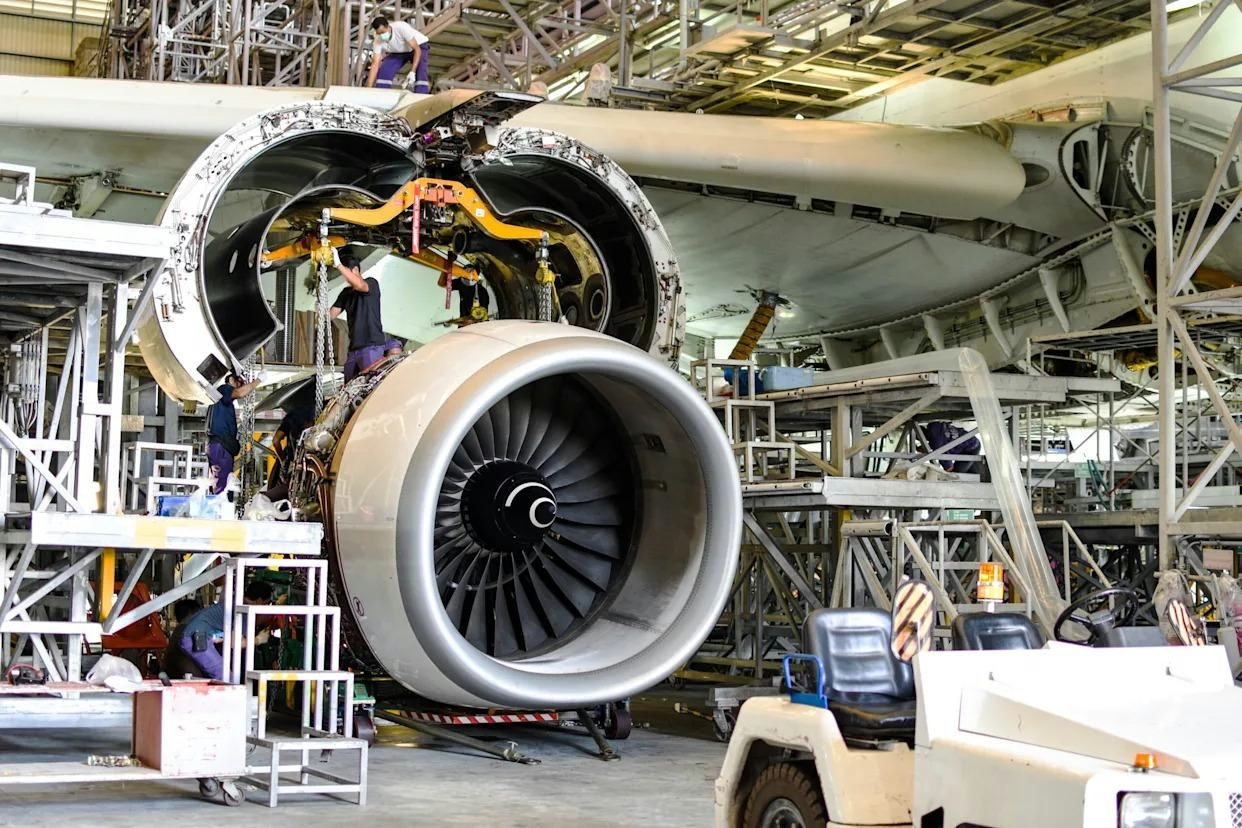
Azorra Expands Engine Portfolio Through Deal with DAE
