
أيروجيني — مساعدك الذكي للطيران.

الرائج الآن
Categories
The Aviation Industry Faces Significant Supply Chain Challenges

The Aviation Industry Faces Significant Supply Chain Challenges
The aviation sector is witnessing a strong resurgence in commercial travel demand, with passenger numbers increasing by 10.4% last year and expected to grow at an annual rate of 4.2% through 2030. Despite this robust recovery, airlines are struggling to meet demand, not due to a shortage of customers, but because of ongoing supply chain disruptions that have resulted in a scarcity of new aircraft and essential components.
Historic Backlogs and Underlying Causes
In 2024, the global backlog of commercial aircraft orders has surged to over 17,000 units, marking a historic peak and a significant rise from the average backlog of approximately 13,000 aircraft annually between 2010 and 2019. This unprecedented backlog is largely a consequence of the lingering effects of the COVID-19 pandemic, which severely disrupted supply chains for engine and aircraft manufacturers. The situation is further exacerbated by shortages of skilled labor and critical raw materials, including semiconductors, which are indispensable for the production of modern aircraft.
Financial Implications and Industry Response
A recent study conducted by the International Air Transport Association (IATA) in collaboration with consulting firm Oliver Wyman highlights that these supply chain challenges could impose costs exceeding $11 billion on airlines in 2025. The financial burden arises from several factors: airlines are compelled to operate older, less fuel-efficient aircraft for extended periods due to delays in new plane deliveries, leading to increased fuel expenses. Additionally, aging fleets demand more frequent and costly maintenance, while prolonged maintenance schedules have driven up engine leasing costs. Airlines are also incurring higher expenses by stockpiling spare parts to mitigate ongoing supply uncertainties.
In response to these pressures, many airlines are revising their fleet management strategies by retaining older aircraft in service longer than initially planned. Although this approach helps sustain capacity in the near term, it also raises operational costs and complicates efforts to enhance fuel efficiency and reduce emissions.
As air travel demand continues to rise, the aviation industry faces intensifying pressure to address these supply chain bottlenecks. Until manufacturers can increase production capacity and stabilize the supply of parts and materials, airlines are expected to contend with elevated costs and operational difficulties, even as passenger loads remain strong.
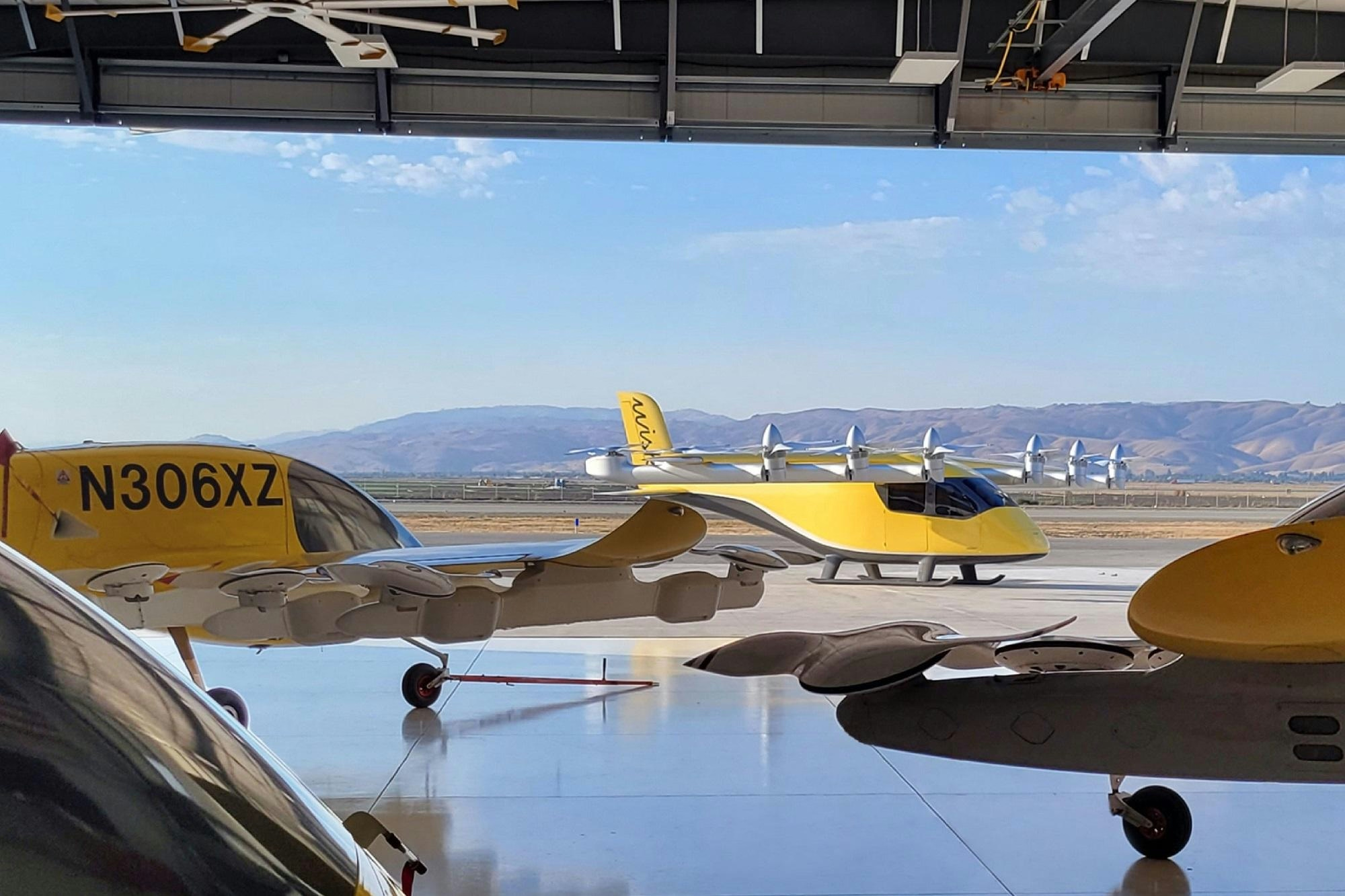
Archer Aviation Confronts Setbacks Amid Declining Air Taxi Interest
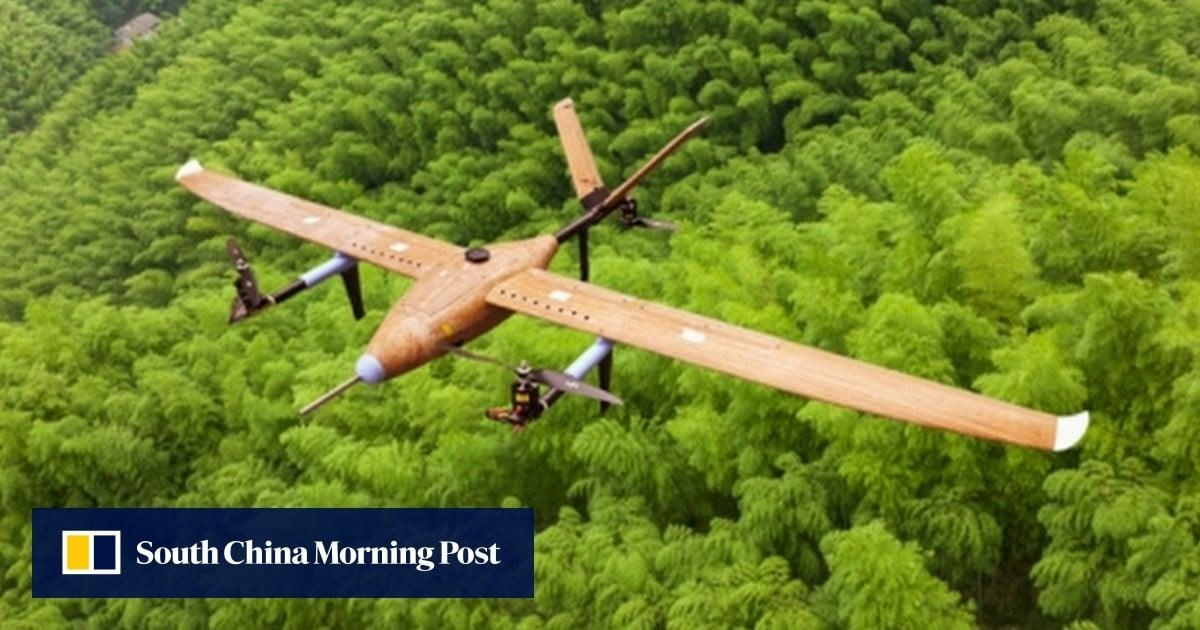
Chinese Team Develops First Flight Control Software for Bamboo Drones
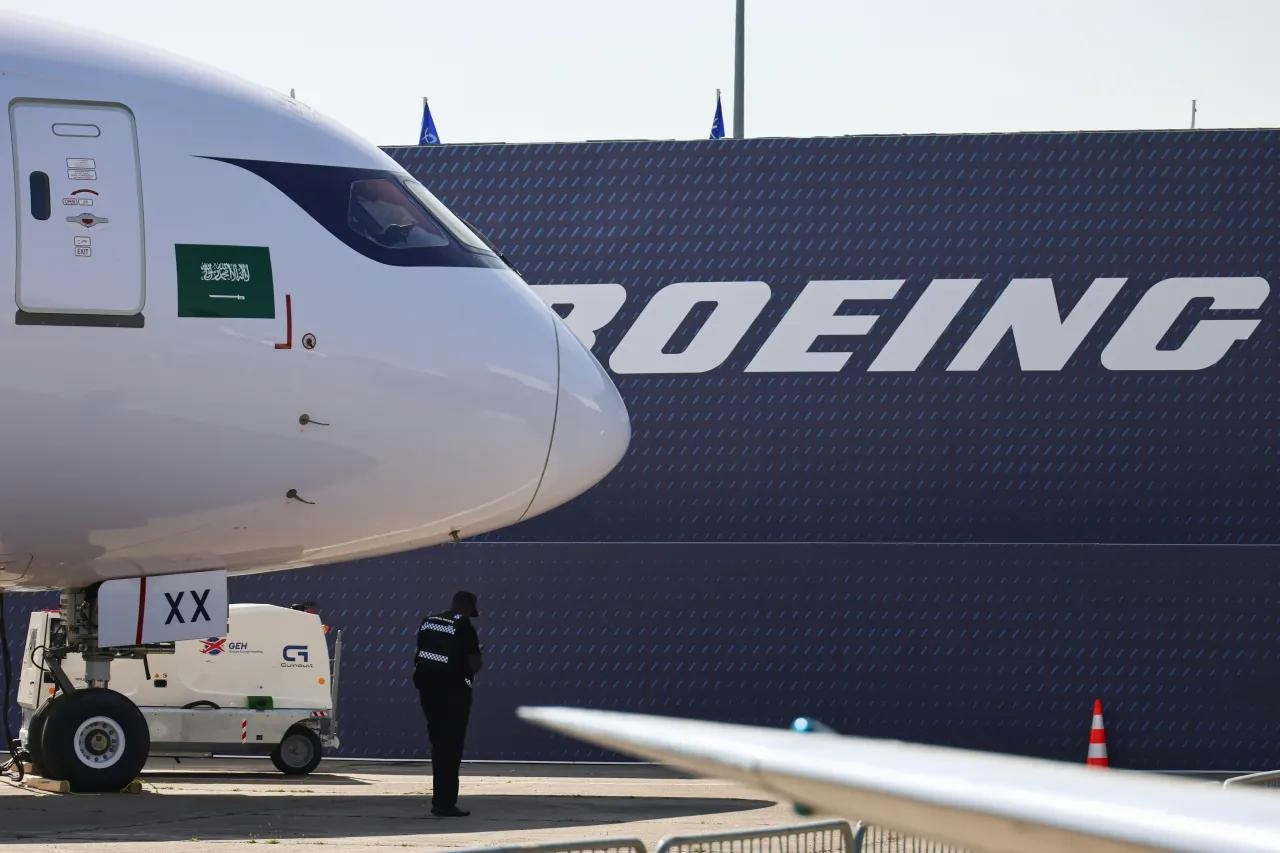
Government Moves Forward with Boeing Purchase, Considers Airbus Leasing
SkyHope Appoints Aviation Industry Leader to Board
The Challenges of Certifying Autonomous Aircraft
KLM to Receive First Airbus A350, Announces Initial Routes
Saxon Air Receives Clean and Green Energy Innovation Award
How BEB Tax Policies Impact Airlines’ International Leasing Contracts
Indonesia’s Danantara and Mandiri Partner with SMBC to Launch $800 Million Aviation Leasing Fund
South Korea’s SUM Air Places Order for New ATR Aircraft
