
أيروجيني — مساعدك الذكي للطيران.

الرائج الآن
Categories
Major Airlines Adjust Operations Amid Aerospace Supply Chain Recovery
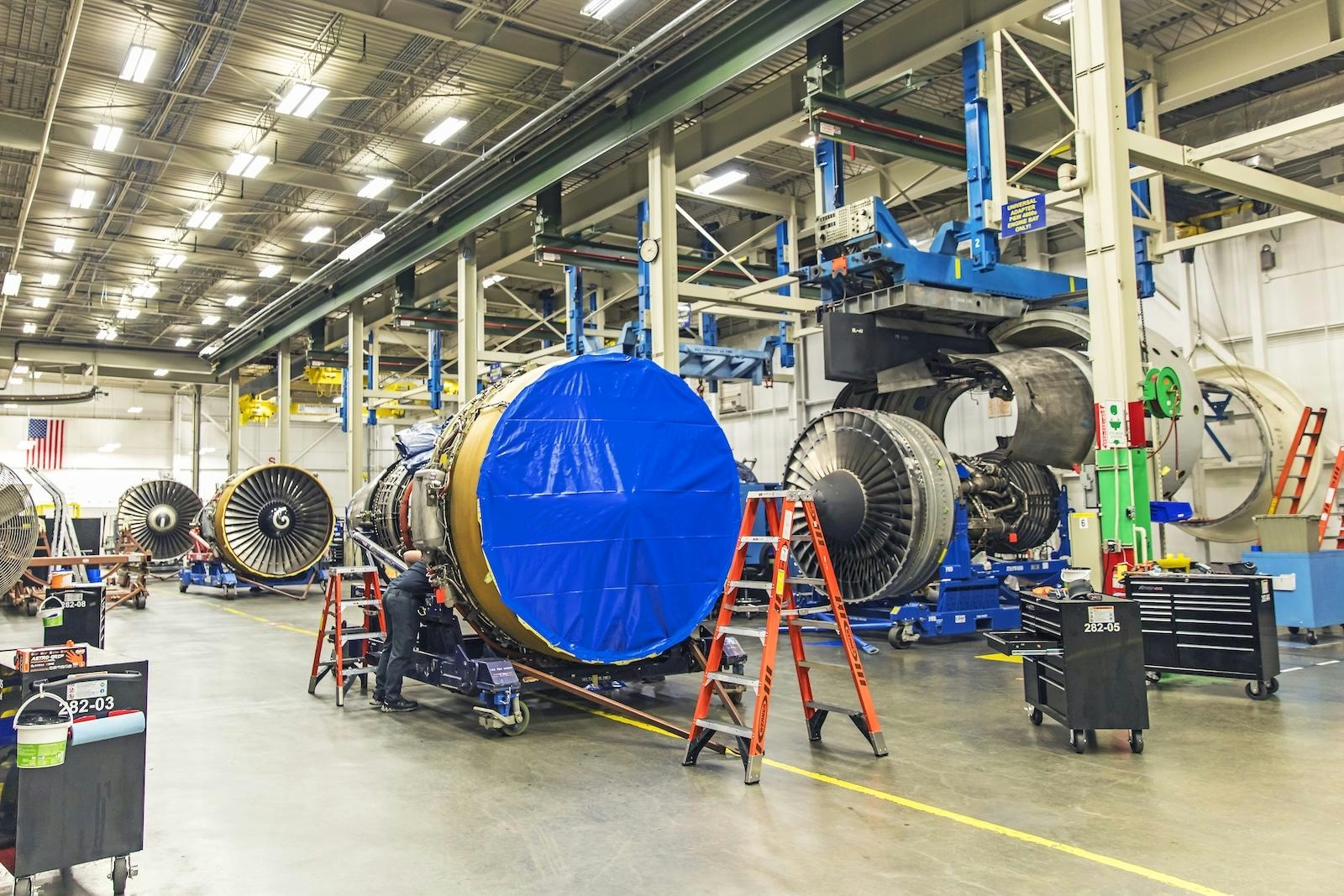
Major Airlines Adjust Operations Amid Aerospace Supply Chain Recovery
As the global aerospace supply chain begins to recover, leading airlines such as Singapore Airlines, American Airlines, United, Delta, Emirates, and Lufthansa are implementing strategic measures to reinforce their fleets and expand flight offerings. This resurgence coincides with a notable increase in international travel demand, with destinations like Spain preparing for a substantial influx of visitors.
Supply Chain Challenges and Industry Response
The aerospace aftermarket, which encompasses aircraft maintenance, parts supply, and repair services, plays a critical role in this recovery. Airlines have recently contended with delays, inventory shortages, and prolonged maintenance periods caused by disruptions in aircraft production and supply chains. With production rates now improving, carriers are striving to overcome these obstacles and restore operational reliability.
Despite progress, challenges persist. Boeing has acknowledged that while production cycles have become more efficient, the heightened demand continues to exert pressure on suppliers. Similarly, Airbus CEO Guillaume Faury has pointed to ongoing difficulties, including a significant backlog of aircraft deliveries. These constraints require airlines to carefully balance fleet expansion and maintenance schedules to satisfy rising passenger expectations.
Industry leaders emphasize the need for comprehensive solutions. Subhas Menon, the outgoing director general of the Association of Asia Pacific Airlines, has called on Asia-Pacific governments to increase investment in the aerospace sector to alleviate supply chain bottlenecks. Such support is deemed essential not only for established airlines but also for emerging players. For example, Vertical Aerospace anticipates considerable growth potential for advanced air mobility operations within the Asia-Pacific region, which could further reshape the future of travel.
Implications for Travelers and the Tourism Sector
For passengers, these developments are expected to yield tangible benefits. As airlines enhance their services and introduce new routes, travelers can anticipate improved connectivity, a wider array of flight options, and heightened competition—factors that often contribute to more competitive pricing. Spain, in particular, is poised to benefit as carriers increase capacity to accommodate the expected surge in tourism. The hospitality industry is also gearing up, with hotels and attractions preparing to welcome a growing number of international visitors.
Looking ahead to 2026 and beyond, the gradual easing of aerospace supply chain disruptions is projected to facilitate smoother and more reliable travel experiences. While challenges remain, the collaborative efforts of manufacturers, airlines, and regional stakeholders are laying the groundwork for a new era of global mobility. For those planning journeys to Spain and other popular destinations, the current momentum within the aerospace industry promises enhanced convenience and excitement in the coming years.
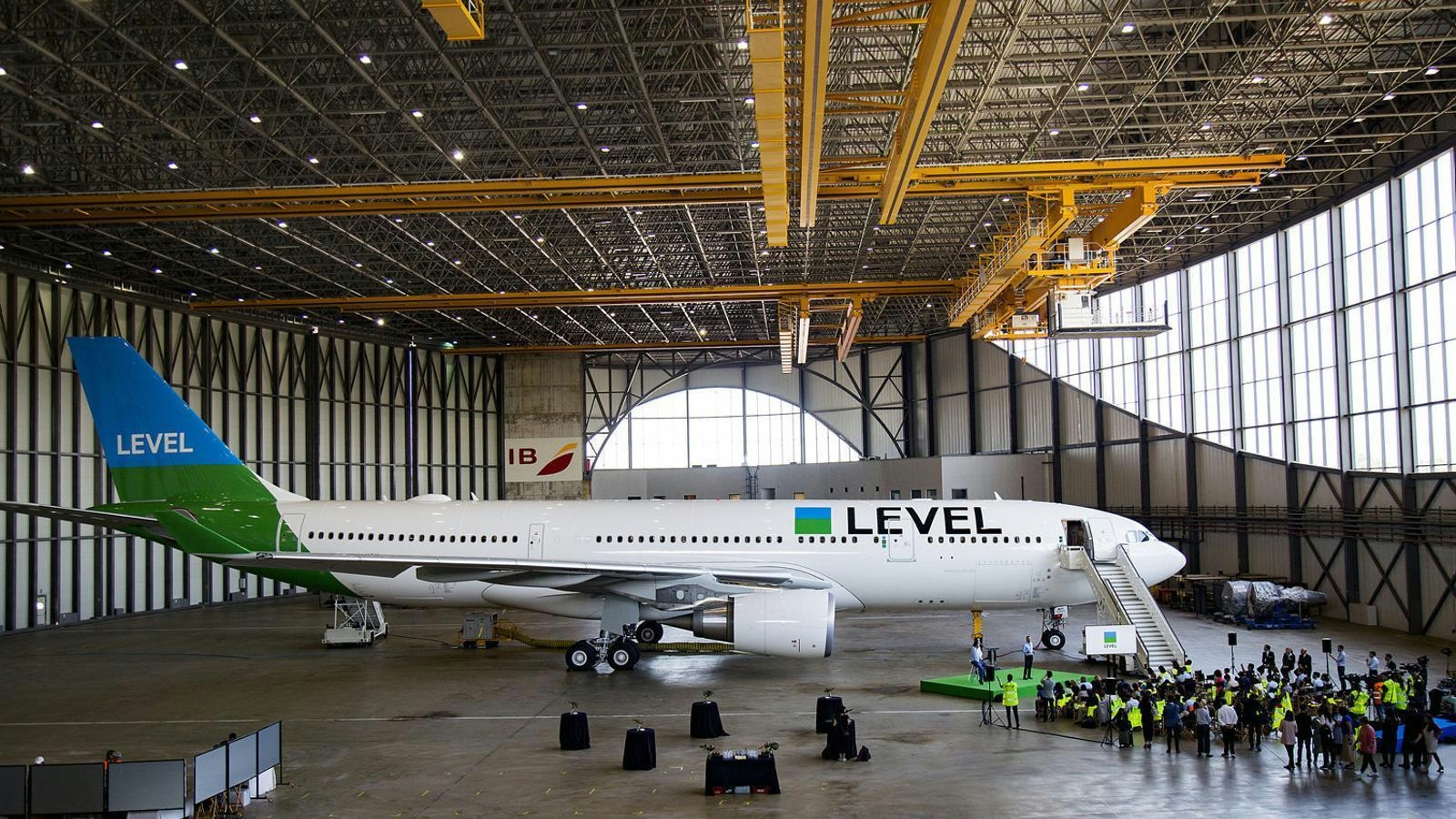
LEVEL Suspends San Francisco Flights Due to Engine Shortage
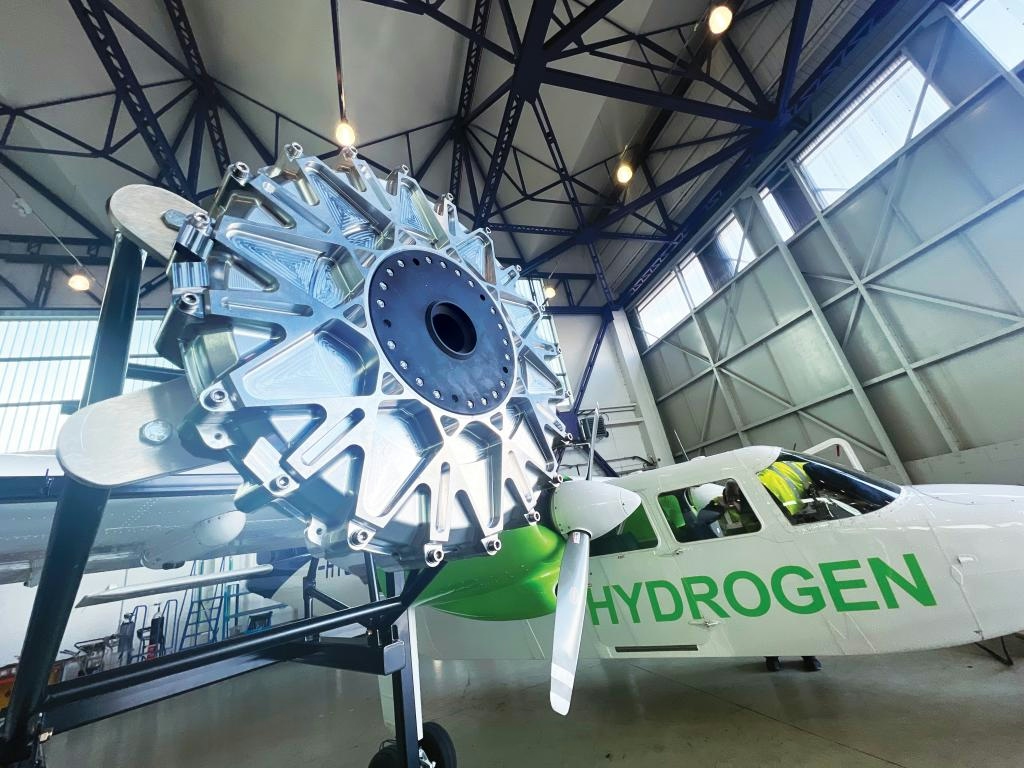
China Conducts First Flight Test of Megawatt Hydrogen Turboprop Engine

Oklahoma’s Aerospace Industry Expands and Its Impact on the State Economy
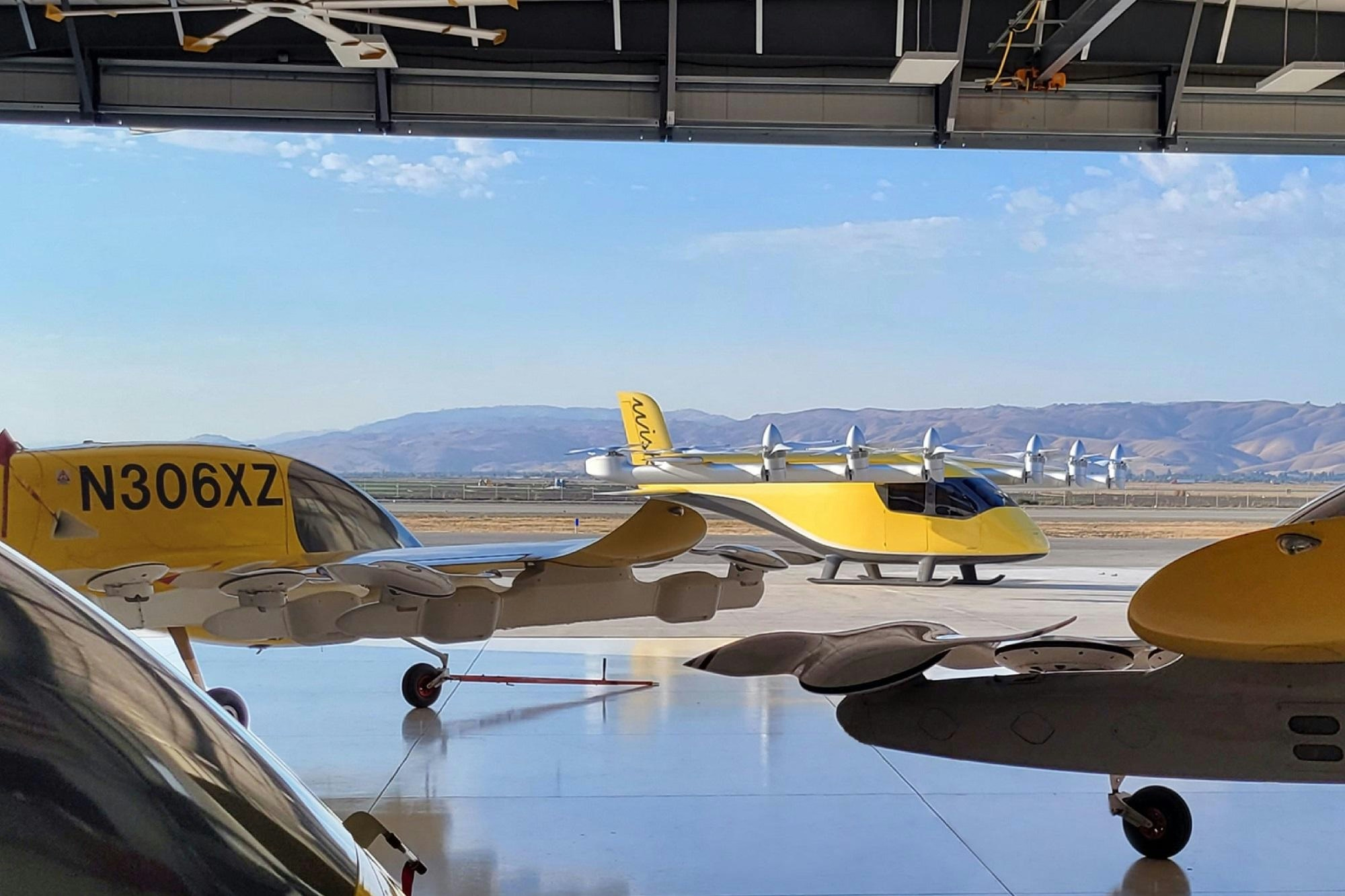
Archer Aviation Confronts Setbacks Amid Declining Air Taxi Interest

FAA and EASA Mandates to Influence Flight Line Testing Equipment Market Through 2035
Willis Lease Operates as a Leveraged Spread Business with Moderate Returns
Chinese Team Develops First Flight Control Software for Bamboo Drones
Government Moves Forward with Boeing Purchase, Considers Airbus Leasing
SkyHope Appoints Aviation Industry Leader to Board
The Challenges of Certifying Autonomous Aircraft
