
أيروجيني — مساعدك الذكي للطيران.

الرائج الآن
Categories
Delta Flight DL162 Diverts to Detroit After Engine Failure
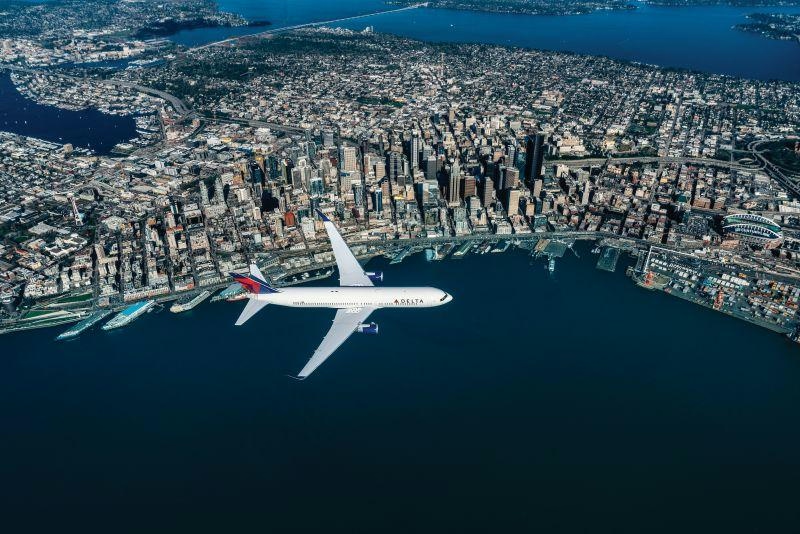
Delta Flight DL162 Diverts to Detroit Following Engine Failure
Delta Air Lines Flight DL162, en route from Minneapolis-Saint Paul International Airport (MSP) to Amsterdam Schiphol Airport (AMS), was compelled to divert to Detroit Metropolitan Wayne County Airport (DTW) on Sunday, November 30, 2025. The decision followed a precautionary shutdown of one engine due to a mechanical malfunction detected during the flight.
Incident Overview
The aircraft involved, an Airbus A330-900neo adorned with the “Team USA” livery and registered as N411DX, departed Minneapolis in the evening. Approximately one hour into the flight, while cruising at an altitude of 37,000 feet, the flight crew received an alert indicating a loss of hydraulic pressure in the right engine, specifically related to the hydraulic pump 16 system. In adherence to established safety protocols, the crew promptly shut down the affected engine to mitigate any potential risk.
Emergency Procedures and Diversion
Following the engine shutdown, the flight crew declared an emergency and requested priority handling. The aircraft was diverted to Detroit, a key maintenance hub for Delta Air Lines. The plane landed safely on runway 04R roughly two hours after departure. Emergency response teams were on standby upon arrival and conducted routine inspections. No injuries were reported among passengers or crew members. Subsequently, travelers were transferred to a replacement aircraft to continue their journey to Amsterdam.
Operational Challenges in the Industry
This incident adds to a series of mechanical difficulties recently experienced by Delta and other major carriers. Earlier this year, the same flight number, DL162, was involved in a mechanical diversion to Japan. Additionally, a Delta flight from Paris to Minneapolis was forced to return to its origin due to a flap-related mechanical alert. Beyond Delta, United Airlines has also encountered operational disruptions following an Airbus A320 recall that affected six of its aircraft, leading to minor delays and cancellations. These events highlight the ongoing complexities airlines face in maintaining fleet reliability amid rigorous maintenance demands.
Leadership and Industry Response
Delta’s Chief Executive Officer, Ed Bastian, has publicly condemned the recent government shutdown, describing it as "completely unnecessary" and emphasizing the additional strain it imposed on airline operations and passengers. Bastian underscored that such disruptions are unacceptable, particularly as airlines grapple with mechanical issues and regulatory challenges.
Passenger Impact and Response
Despite the unforeseen diversion, Delta’s flight crew managed the situation with professionalism and efficiency, prioritizing passenger safety and minimizing inconvenience. The prompt emergency response and the provision of a replacement aircraft enabled travelers to continue their journey with minimal delay.
Safety and Operational Implications
The safe diversion and landing of Flight DL162 in Detroit underscore the effectiveness of established aviation safety protocols and the critical importance of rapid response during in-flight emergencies. As the airline industry continues to confront operational and regulatory pressures, ensuring passenger safety and maintaining service reliability remain paramount concerns.
Chinese Team Develops First Flight Control Software for Bamboo Drones
SkyHope Appoints Aviation Industry Leader to Board
The Challenges of Certifying Autonomous Aircraft
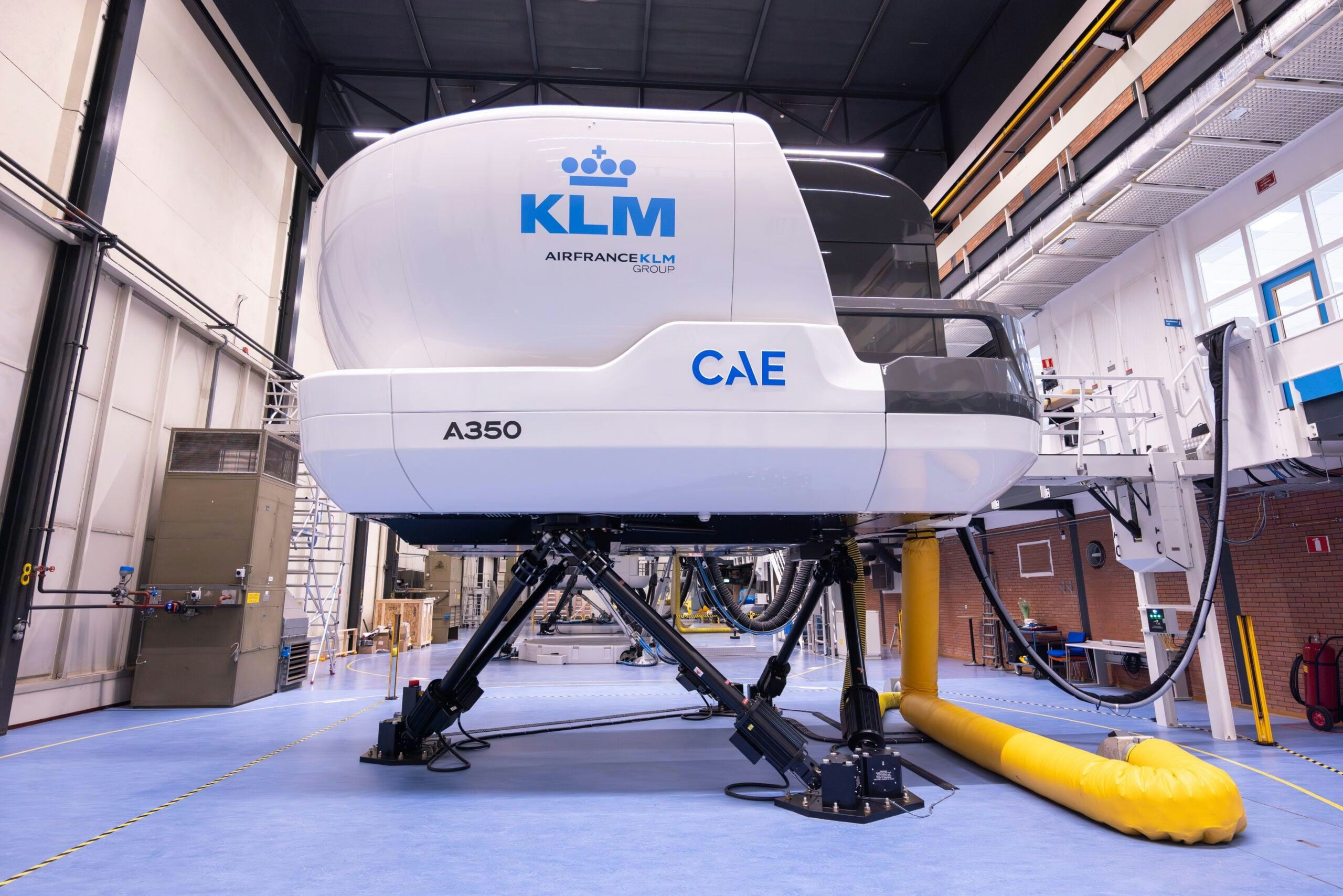
KLM to Receive First Airbus A350, Announces Initial Routes
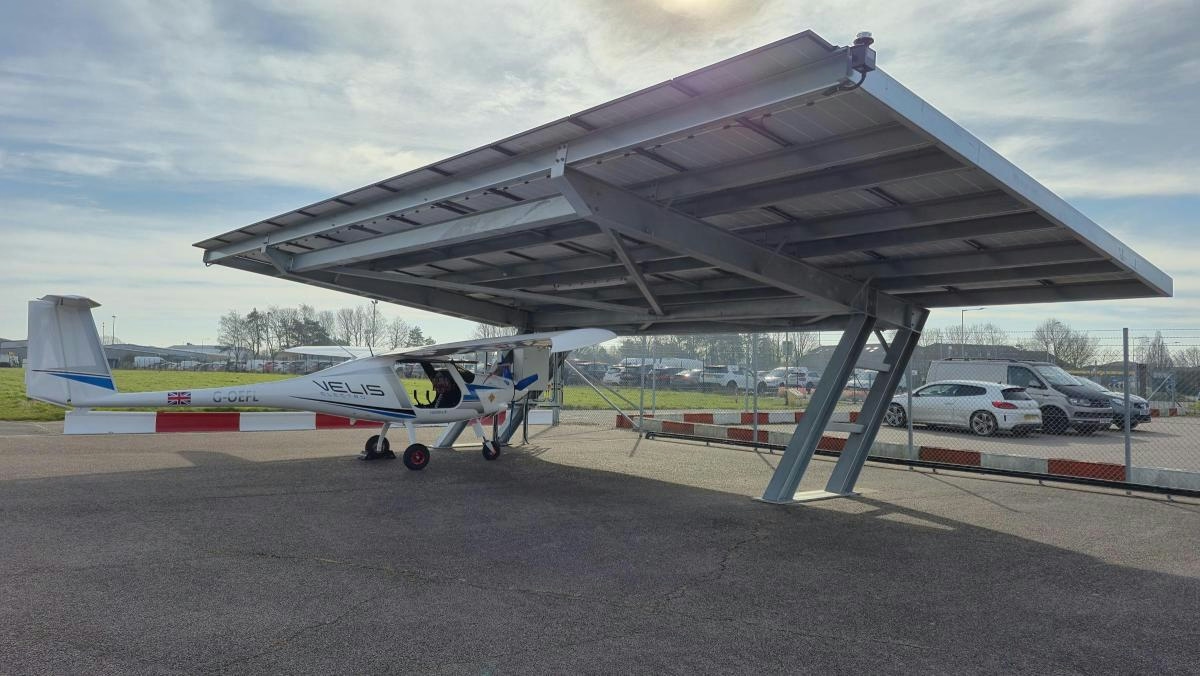
Saxon Air Receives Clean and Green Energy Innovation Award
How BEB Tax Policies Impact Airlines’ International Leasing Contracts
Indonesia’s Danantara and Mandiri Partner with SMBC to Launch $800 Million Aviation Leasing Fund
South Korea’s SUM Air Places Order for New ATR Aircraft
Benoît Rollier Named Vice President of KLM Engine Service
Azorra Expands Engine Portfolio Through Deal with DAE
