
أيروجيني — مساعدك الذكي للطيران.

الرائج الآن
Categories
Delta 737-900ER Grounded After Engine Failure During Takeoff in Minneapolis
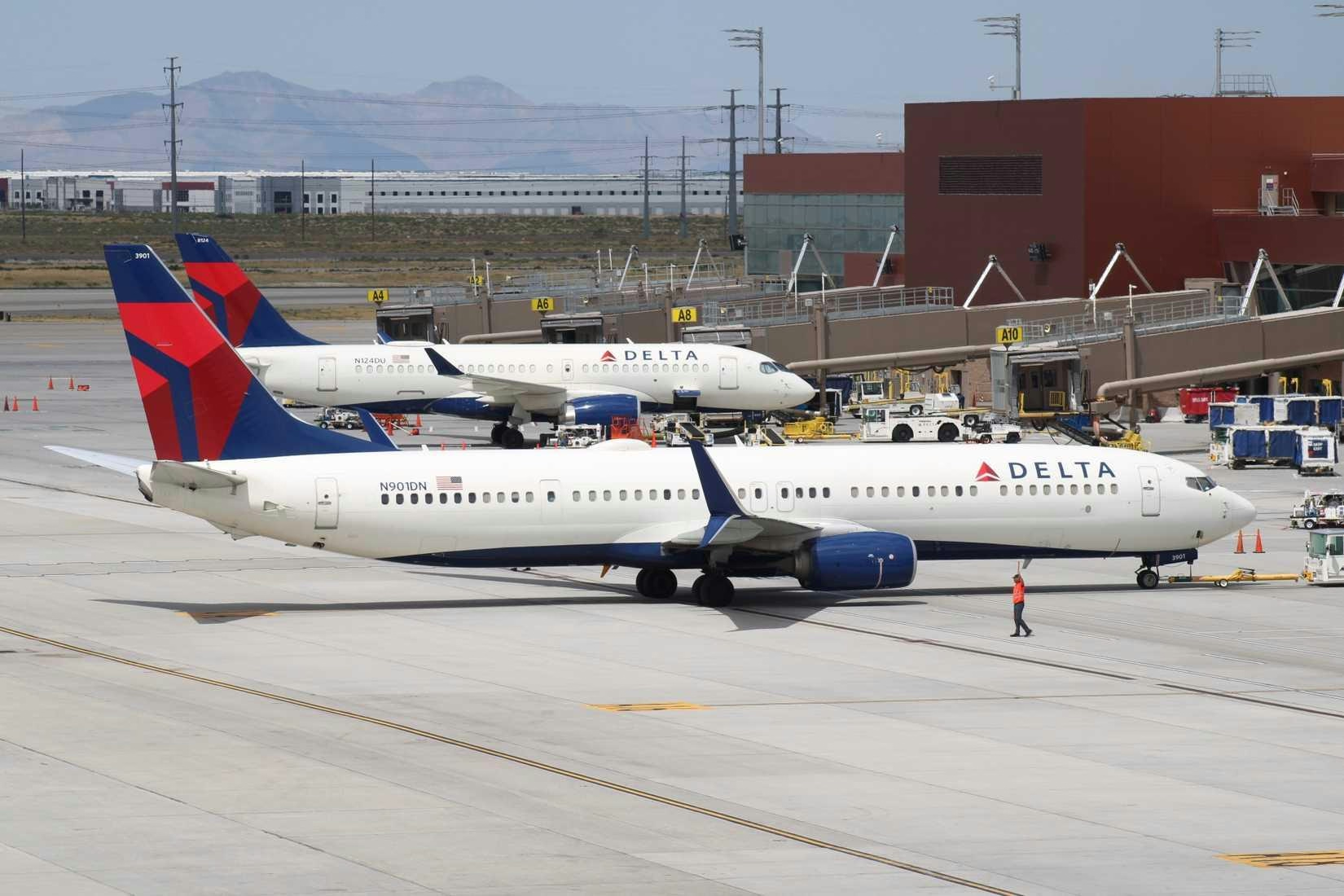
Delta 737-900ER Grounded Following Engine Failure During Takeoff in Minneapolis
On October 23, 2025, a Delta Air Lines Boeing 737-900ER experienced an engine failure during takeoff at Minneapolis-St. Paul International Airport, resulting in the aircraft being grounded. Flight DL1661, scheduled to depart for Portland at 15:50, encountered the issue as it accelerated down Runway 30L. At approximately 135 knots, the flight crew received a failure indication on the Number 2 (right-hand) engine and promptly executed a high-speed rejected takeoff.
Incident Details and Immediate Response
The aircraft involved, registered as N829DN, was carrying 187 individuals, including 180 passengers and six crew members, indicating a full flight with either a jumpseater or an FAA-certified line check airman on board. After aborting the takeoff, the pilots safely maneuvered the plane onto Runway 22 and taxied to a new gate. Given the nature of the high-speed stop, immediate inspections were conducted focusing on the brakes and tires. Passengers and crew disembarked and waited for over two hours before boarding a replacement Boeing 737-900ER, registered N836DN, to continue their journey. The flight ultimately arrived in Portland at 19:59, more than two hours behind schedule.
Delta reassigned a replacement crew for the delayed leg in compliance with duty time regulations and reporting requirements. Meanwhile, the original aircraft remains grounded pending repairs, marking its most recent attempted flight.
Industry Implications and Ongoing Investigations
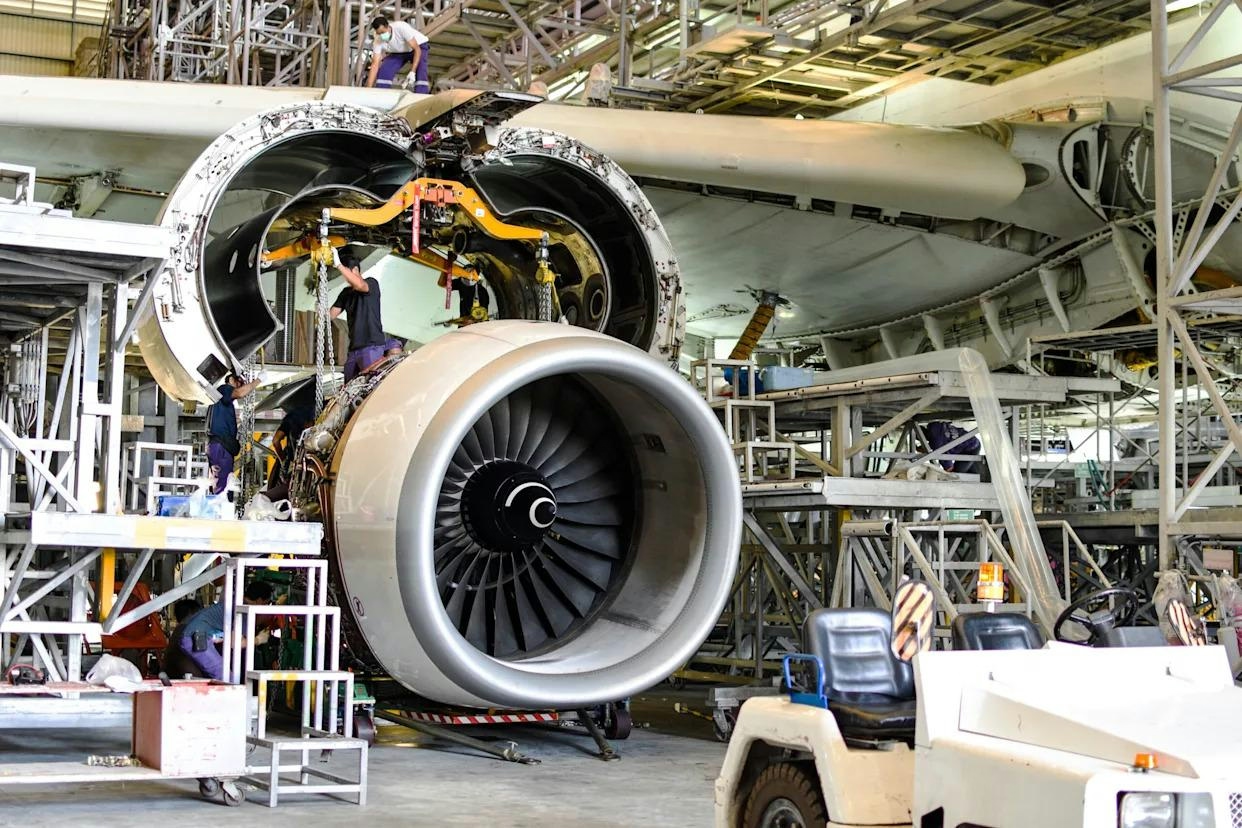
This incident has intensified scrutiny of Boeing’s engine reliability, particularly concerning the CFM56-7B engines that power the 737 Next Generation (737NG) family. Market analysts have noted potential repercussions for Boeing’s stock performance and corporate reputation, while competitors are reportedly increasing vigilance over their own fleets. The event has also sparked calls for a broader investigation into Boeing aircraft safety, raising concerns about operational efficiency and the manufacturer’s capacity to address underlying technical issues.
For Delta, the grounding of N829DN could lead to further operational challenges as the airline manages its extensive fleet of 163 Boeing 737-900ERs—the largest such fleet globally. Delivered to Delta in 2014, N829DN is configured with 180 seats, including 20 in Delta First, 27 in Delta Comfort, and 133 in Delta Main. It is part of Delta’s standard 737-900ER subfleet, distinct from aircraft acquired from other carriers following the COVID-19 pandemic.
As investigations proceed, both Delta and Boeing face mounting pressure to uphold the safety and reliability of their operations. Industry stakeholders are closely monitoring developments for potential broader implications across the commercial aviation sector.

Chinese Team Develops First Flight Control Software for Bamboo Drones
SkyHope Appoints Aviation Industry Leader to Board
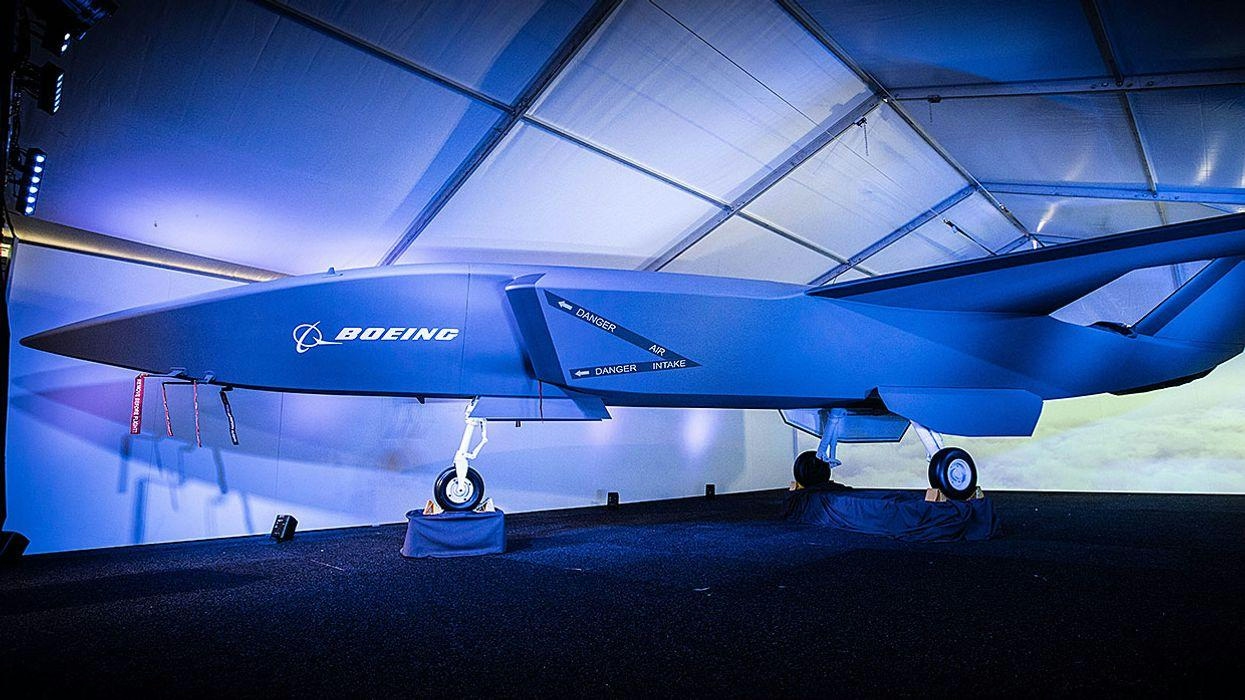
The Challenges of Certifying Autonomous Aircraft
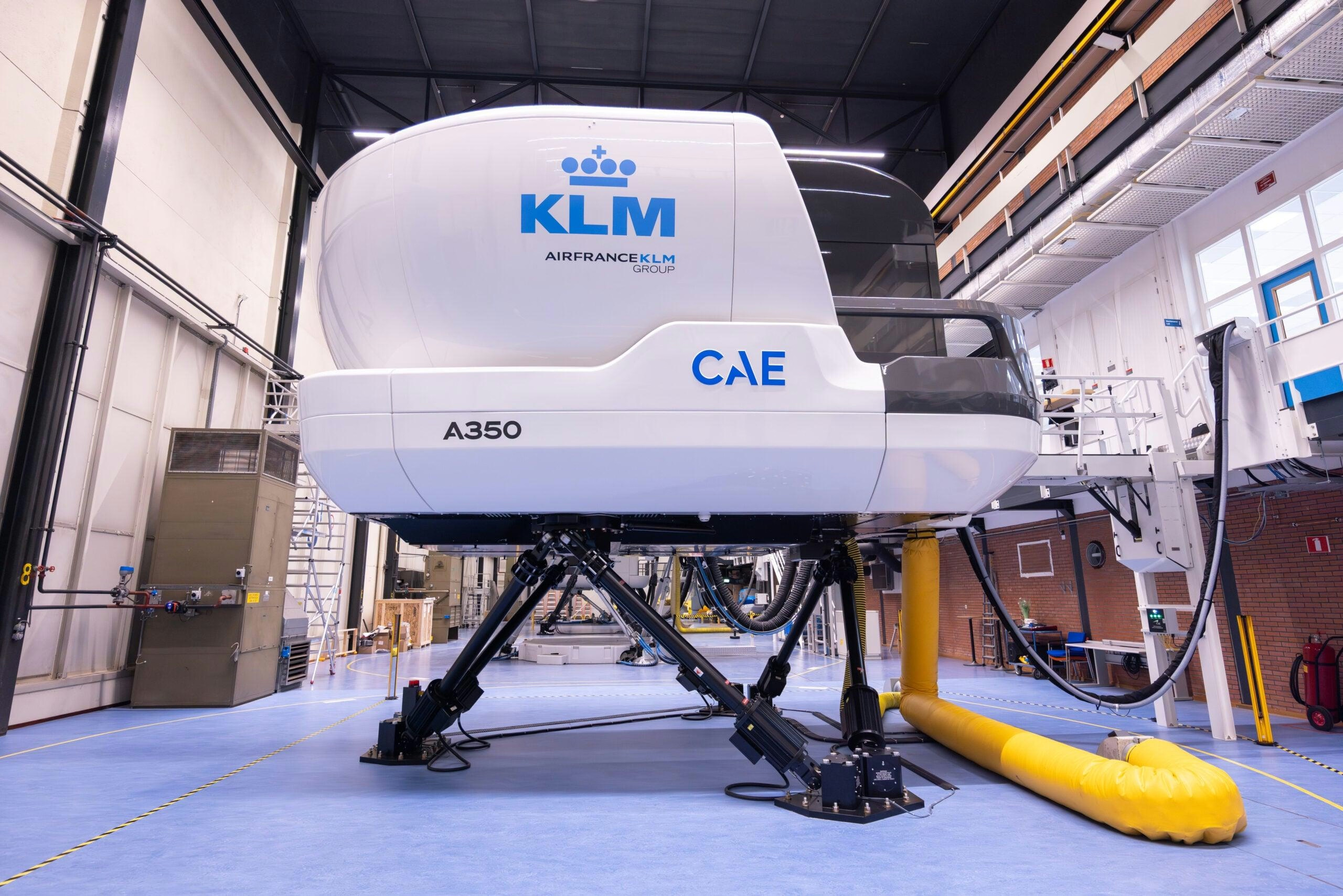
KLM to Receive First Airbus A350, Announces Initial Routes
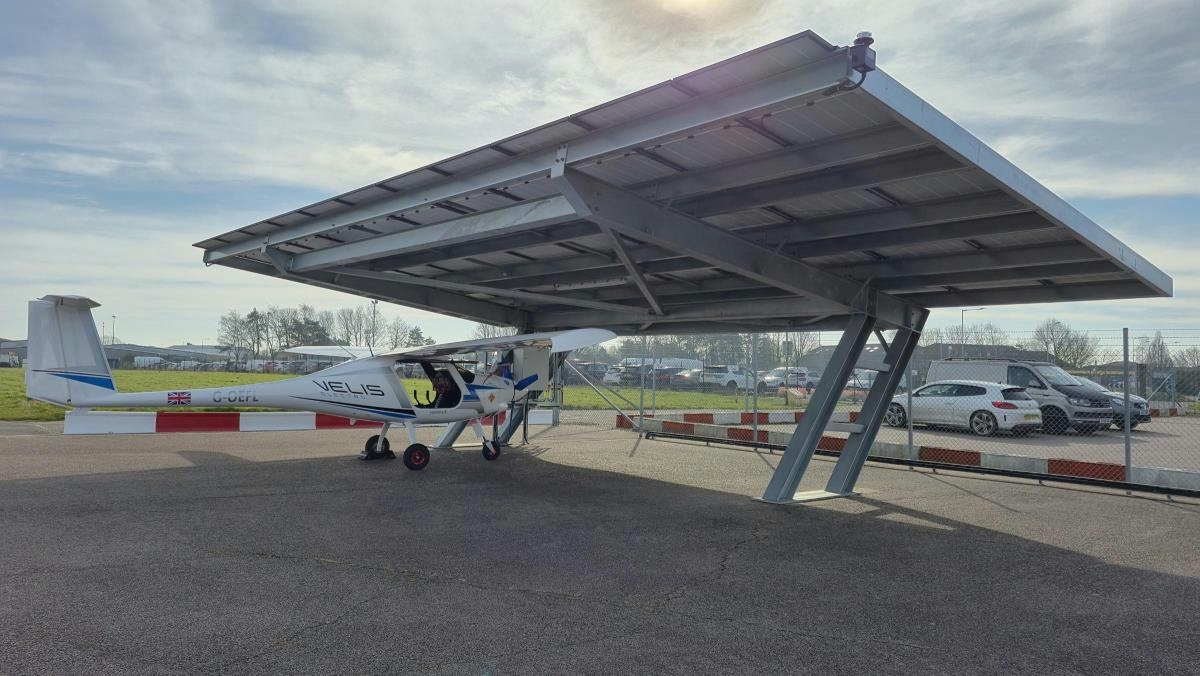
Saxon Air Receives Clean and Green Energy Innovation Award
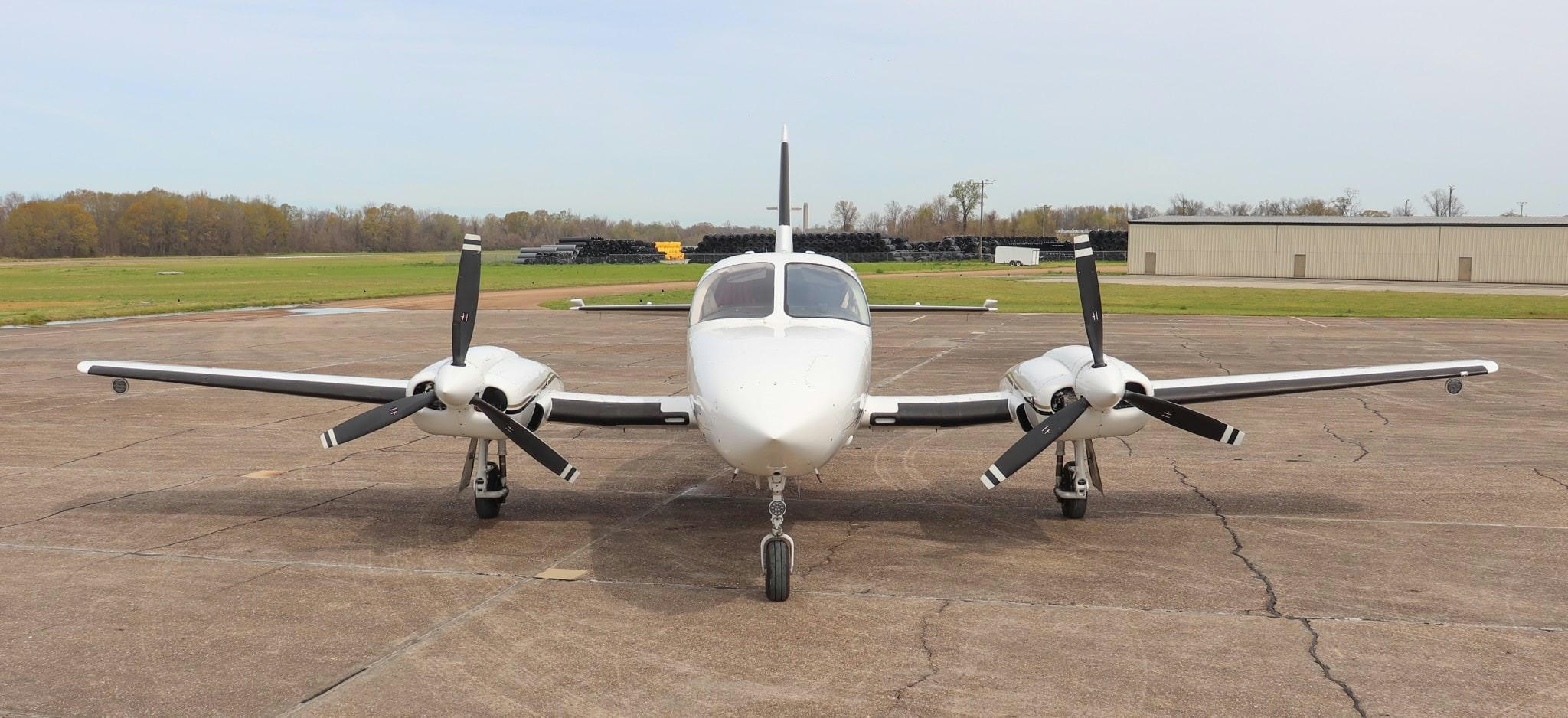
How BEB Tax Policies Impact Airlines’ International Leasing Contracts

Indonesia’s Danantara and Mandiri Partner with SMBC to Launch $800 Million Aviation Leasing Fund
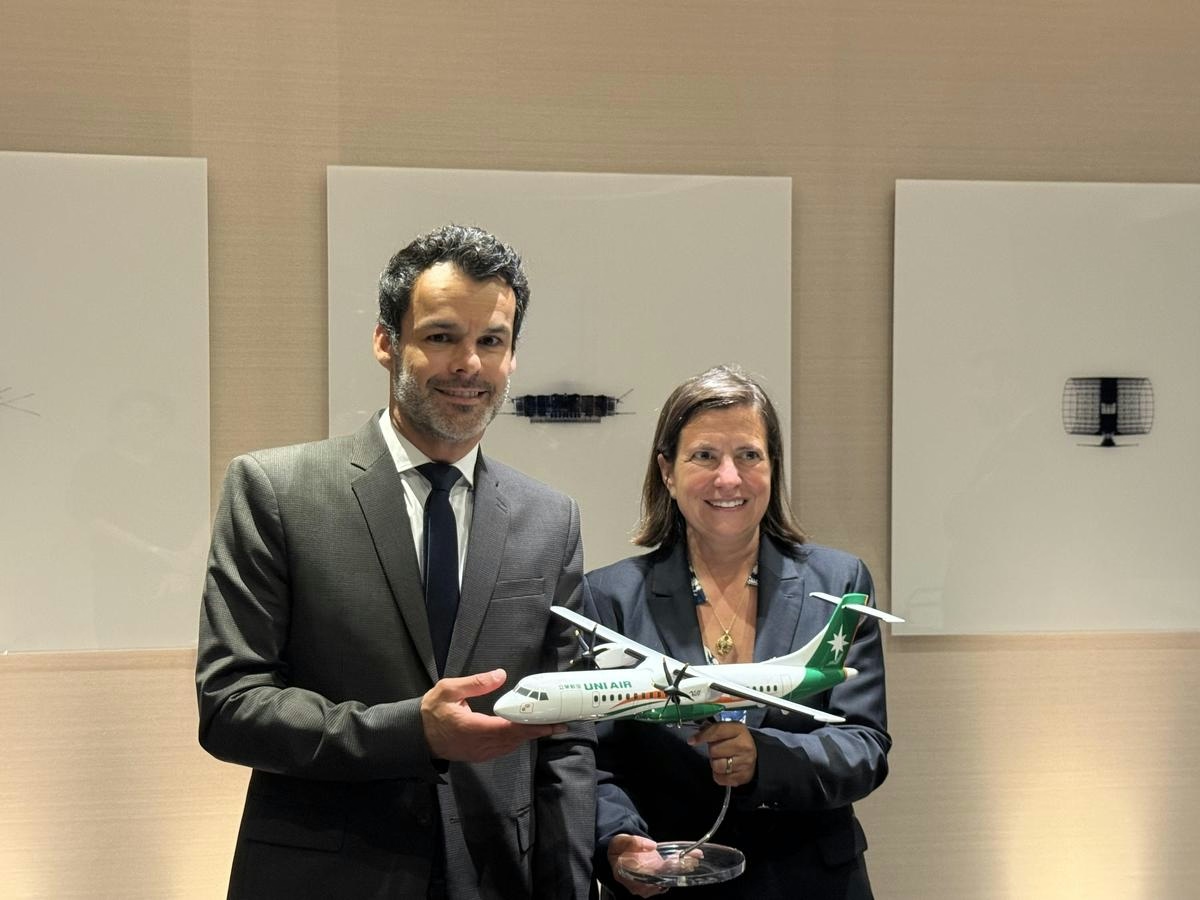
South Korea’s SUM Air Places Order for New ATR Aircraft
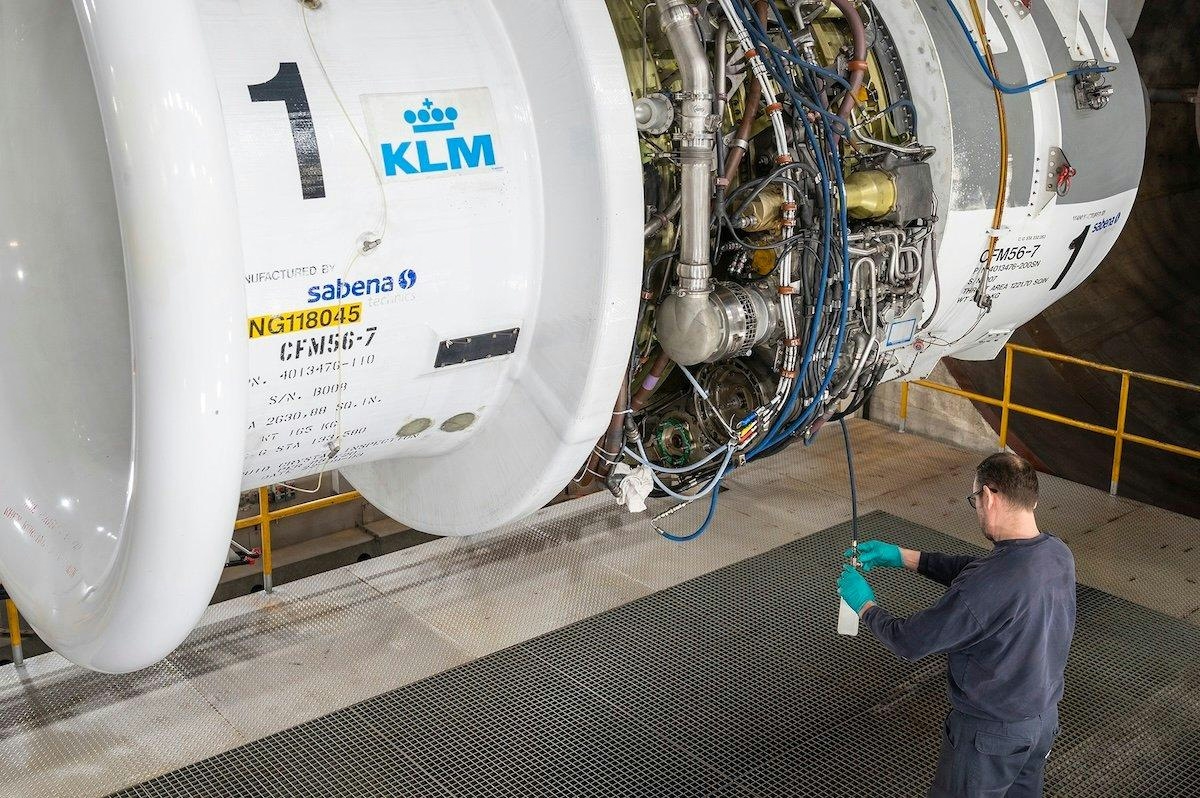
Benoît Rollier Named Vice President of KLM Engine Service
Azorra Expands Engine Portfolio Through Deal with DAE
