
أيروجيني — مساعدك الذكي للطيران.

الرائج الآن
Categories
Cyberattack Exposes Vulnerabilities in Airline Vendor Networks
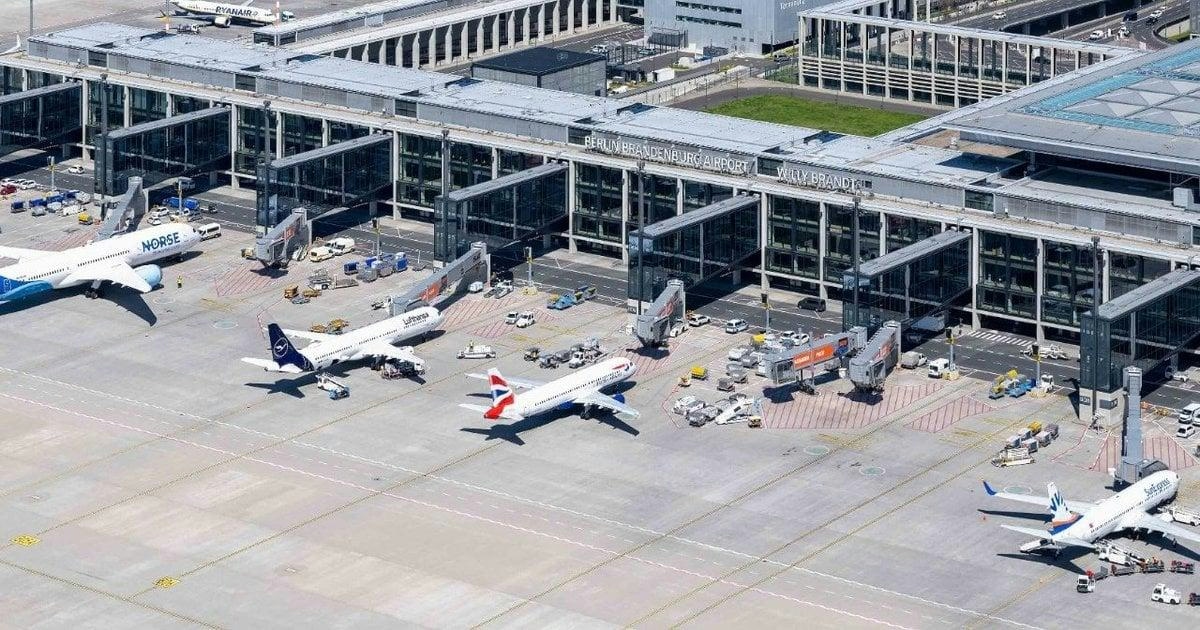
Cyberattack Exposes Vulnerabilities in Airline Vendor Networks
A recent cyberattack targeting Collins Aerospace, a prominent vendor providing check-in systems to numerous airlines, has revealed significant weaknesses within the aviation sector’s interconnected digital infrastructure. The breach caused widespread operational disruptions at major international airports, including Heathrow, Brussels, and Berlin, leading to extensive flight delays and cancellations. This incident has intensified concerns about the risks associated with the industry’s heavy reliance on a limited number of third-party service providers.
Industry Response and Expert Analysis
Cody Barrow, CEO of cybersecurity firm EclecticIQ, characterized the attack as a stark illustration of the aviation sector’s fragile dependence on external vendors. He highlighted how a single compromised supplier was able to disrupt airport operations across multiple countries, describing the event as a clear example of supply chain risk in practice. Barrow stressed the imperative for aviation stakeholders and regulators to elevate cyber resilience to the same level of priority traditionally reserved for physical safety measures.
Barrow advocated for concrete measures to mitigate such risks, including the implementation of system redundancies, the execution of realistic contingency exercises, and the rapid sharing of threat intelligence among industry partners. He emphasized that these steps are essential to strengthening the sector’s defenses against increasingly sophisticated cyber threats.
Broader Implications for Aviation Cybersecurity
The attack on Collins Aerospace has also triggered heightened scrutiny of the vulnerabilities embedded within the aviation industry’s interconnected systems. As cyberattacks grow in complexity and frequency, competitors and stakeholders are expected to respond by reinforcing security protocols and adopting zero trust frameworks to safeguard critical infrastructure more effectively.
This incident underscores the urgent necessity for the aviation sector to reevaluate its cybersecurity strategies, moving beyond conventional protections to address the multifaceted risks introduced by digital interdependence. Experts warn that as the industry continues to modernize, robust cyber resilience must become a foundational element of operational safety to prevent similar disruptions on a global scale.

Oklahoma’s Aerospace Industry Expands and Its Impact on the State Economy
Archer Aviation Confronts Setbacks Amid Declining Air Taxi Interest

FAA and EASA Mandates to Influence Flight Line Testing Equipment Market Through 2035
Willis Lease Operates as a Leveraged Spread Business with Moderate Returns

Chinese Team Develops First Flight Control Software for Bamboo Drones
Government Moves Forward with Boeing Purchase, Considers Airbus Leasing

SkyHope Appoints Aviation Industry Leader to Board
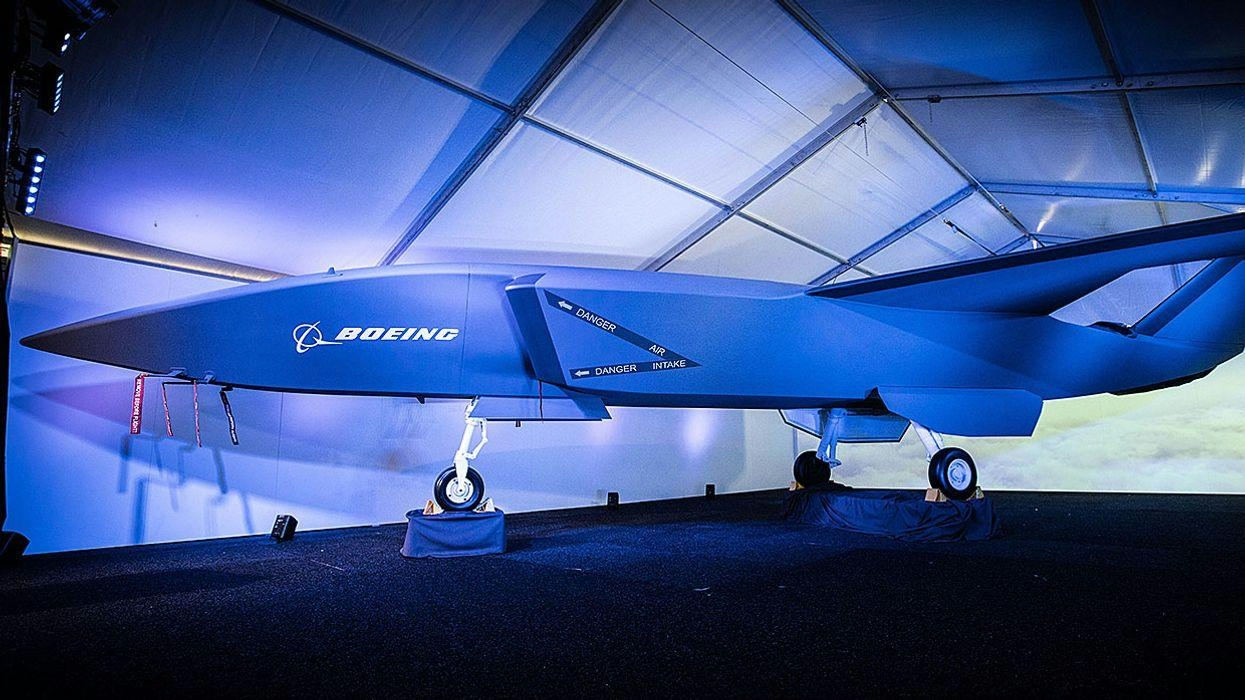
The Challenges of Certifying Autonomous Aircraft

KLM to Receive First Airbus A350, Announces Initial Routes
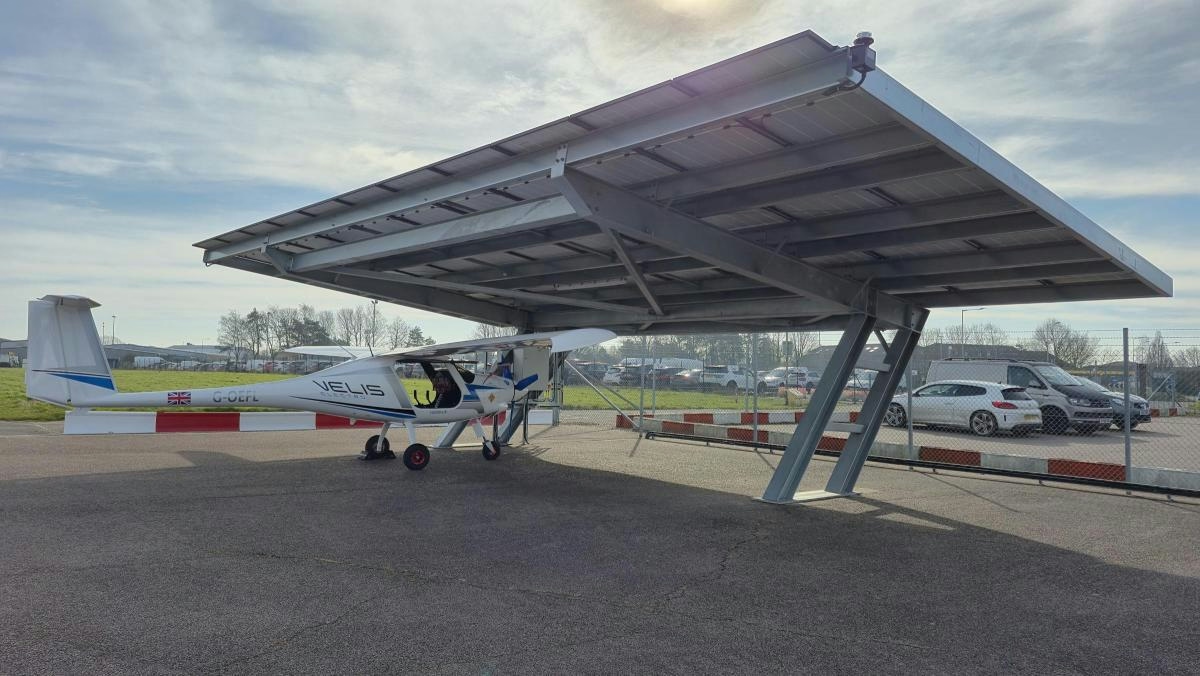
Saxon Air Receives Clean and Green Energy Innovation Award
